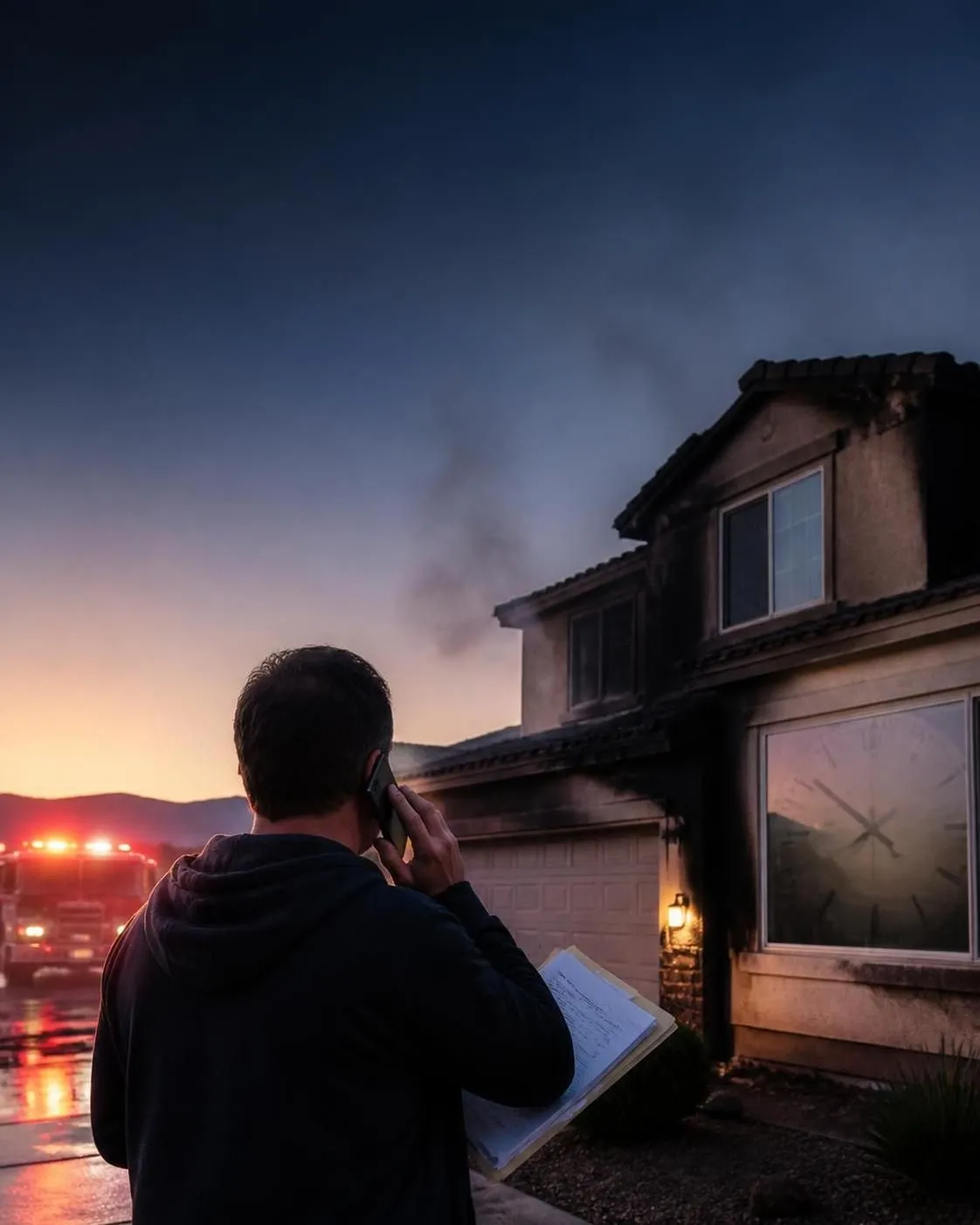
What Steps Should I Take Immediately Following a House Fire?
What Steps Should I Take Immediately Following a House Fire?
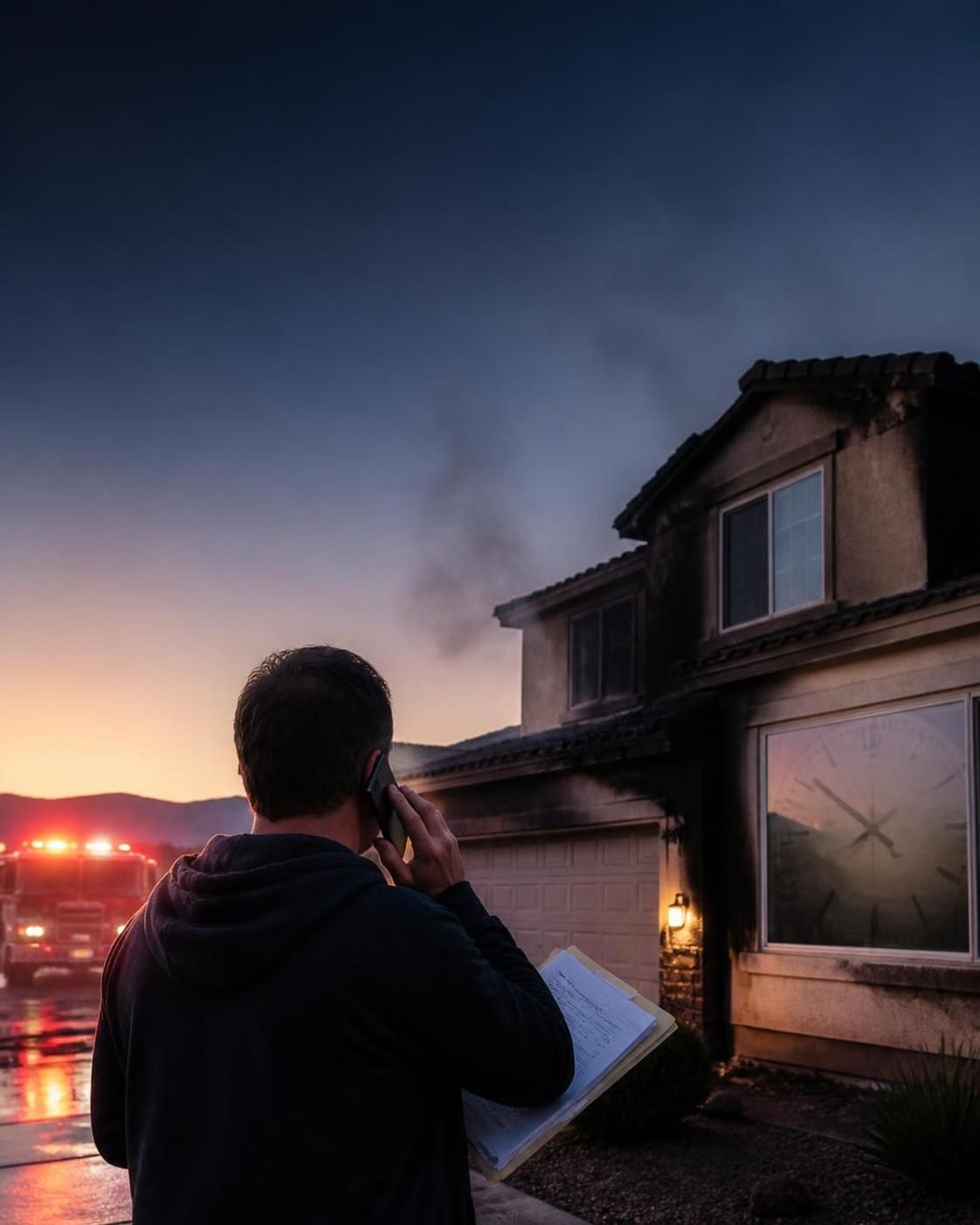
Summary
If your home suffers fire damage, take these immediate actions:
1. Wait for official written clearance from the Fire Department before stepping back inside.
2. Secure your official Fire Incident Report number from the responding fire agency.
3. Request an immediate Additional Living Expenses (ALE) advance from your insurer for emergency housing, clothes, and essential supplies.
4. Hire a licensed emergency restoration team for board-up and roof tarping to prevent secondary weather and theft damage. We have a list of vetted, trusted vendors, we're happy to work with you and them.
5. Speak with a licensed public adjuster (regulated under NRS 684A) before making recorded statements to insurance company adjusters.
Step 1: Wait for Official Fire Department Clearance
Do not enter a burned structure until fire officials confirm it is structurally sound. Firefighters often cut holes in roofs and walls to vent heat and look for hidden hot spots. Ash and debris can retain hazardous toxic particulate matter, carbon monoxide, and unstable floors.
In Clark County and the City of Las Vegas, the battalion chief or fire inspector will issue clearance once safety hazards are contained. Entering prematurely risks severe injury and could jeopardize your insurance claim if further damage occurs before an official inspection.
Step 2: Get Your Official Nevada Fire Incident Report
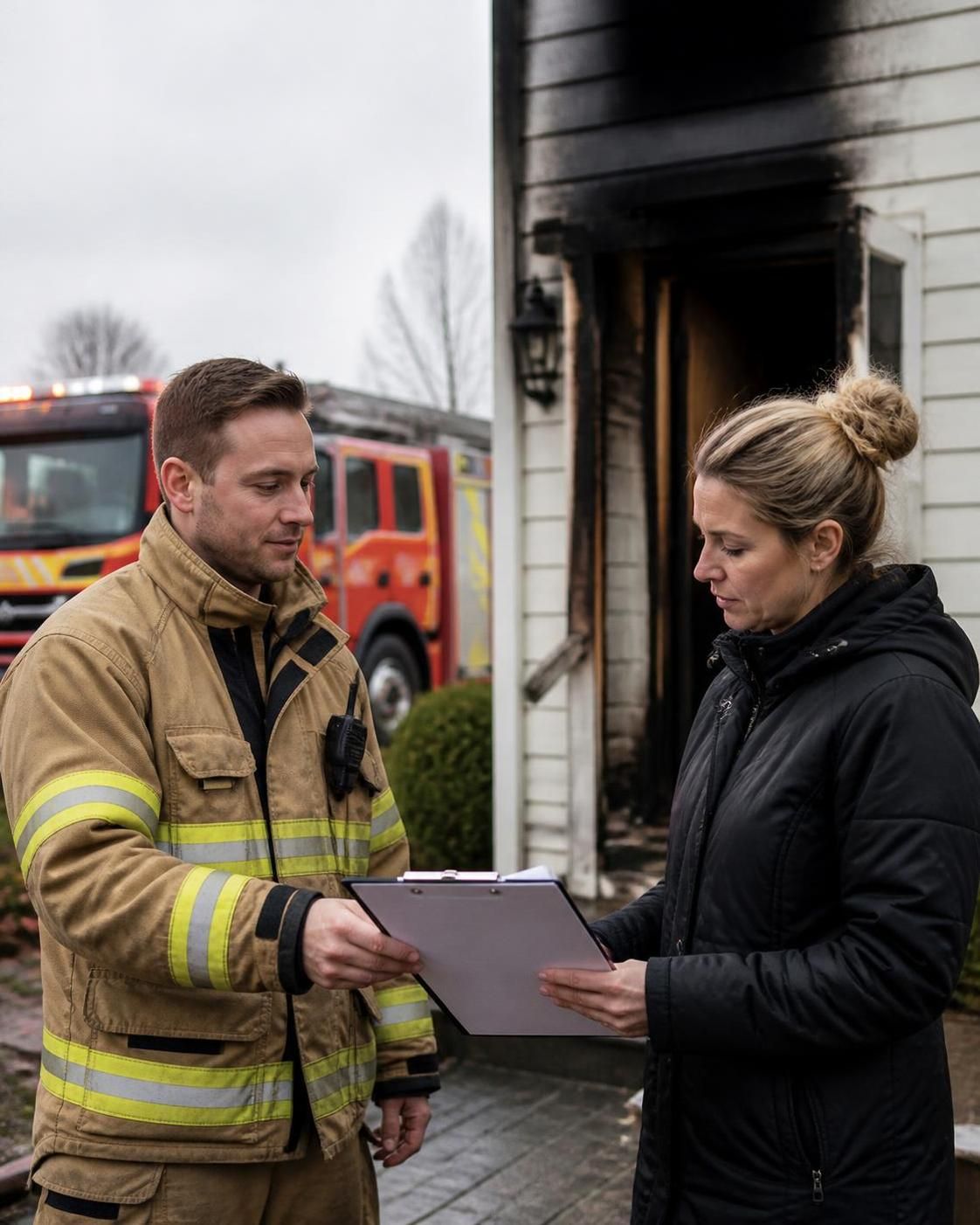
Your insurance claim relies heavily on the official report prepared by the responding agency (such as Las Vegas Fire & Rescue, Clark County Fire Department, or Henderson Fire Department).
How to Request Your Fire Report:
• Contact the Fire Prevention Bureau or Records Division of the department that responded to your property.
• Provide the exact street address, date, and approximate time of the fire.
• Save the incident report number—your insurance adjuster will demand this number before processing major claim disbursements.
This document records official fire cause findings, arrival timestamps, and initial observations, establishing an unassailable baseline for your property loss timeline.
Step 3: Secure Emergency Additional Living Expenses (ALE) Advances
Standard Nevada homeowners insurance policies (HO-3 and HO-5 forms) include Coverage D: Loss of Use / Additional Living Expenses (ALE). This coverage pays for your temporary housing, dining out expenses above your normal grocery budget, displaced pet boarding, and extra mileage while your home is uninhabitable.
Crucial ALE Strategy:
• Ask for an immediate cash or check advance: You do not have to pay out-of-pocket for hotels while waiting for full claim adjustments. Request an emergency advance under your ALE coverage within 24–48 hours of the loss.
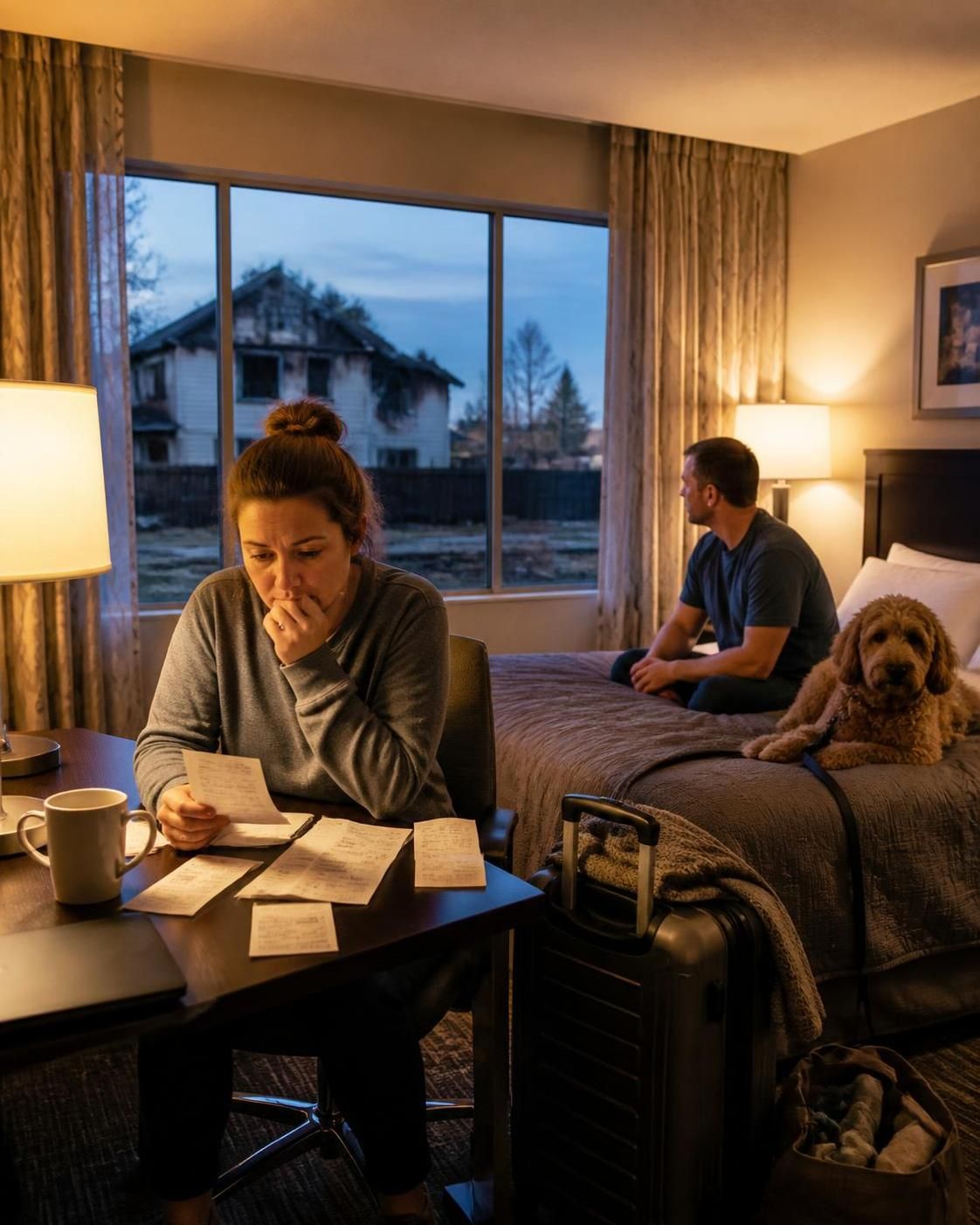
• Save every receipt: Maintain a dedicated folder or digital scanner app for every hotel bill, laundry fee, meal receipt, and replacement clothing invoice.
• Match your previous lifestyle: Your insurer must cover housing comparable to your damaged residence—not force your family into cramped, sub-standard quarters.
Learn more about your rights in our comprehensive Nevada Public Adjuster & Insurance Claims Guide.
Step 4: Mitigate Further Loss with Emergency Board-Up and Roof Tarping
Under Nevada property insurance contract clauses, property owners are contractually obligated to mitigate secondary loss. If wind, rain, or vandals cause further damage after the fire because your home was left open to the elements, your insurance carrier may refuse to cover that secondary damage.
Immediate Mitigation Actions Required:
• Cover broken windows and exterior structural openings with heavy-duty plywood board-ups.
• Install weather-resistant tarps over damaged roof areas.
• Hire certified water extraction specialists if fire suppression water flooded your subfloors or basement.
• Keep detailed invoices from emergency mitigation crews—these expenses are reimbursable under your policy's reasonable repairs clause.
Step 5: Understand Nevada Public Adjuster Laws (NRS 684A) Before Signing or Speaking
Insurance company adjusters work exclusively for the insurance carrier to minimize company payouts. A licensed Nevada Public Adjuster works exclusively for you, the policyholder.
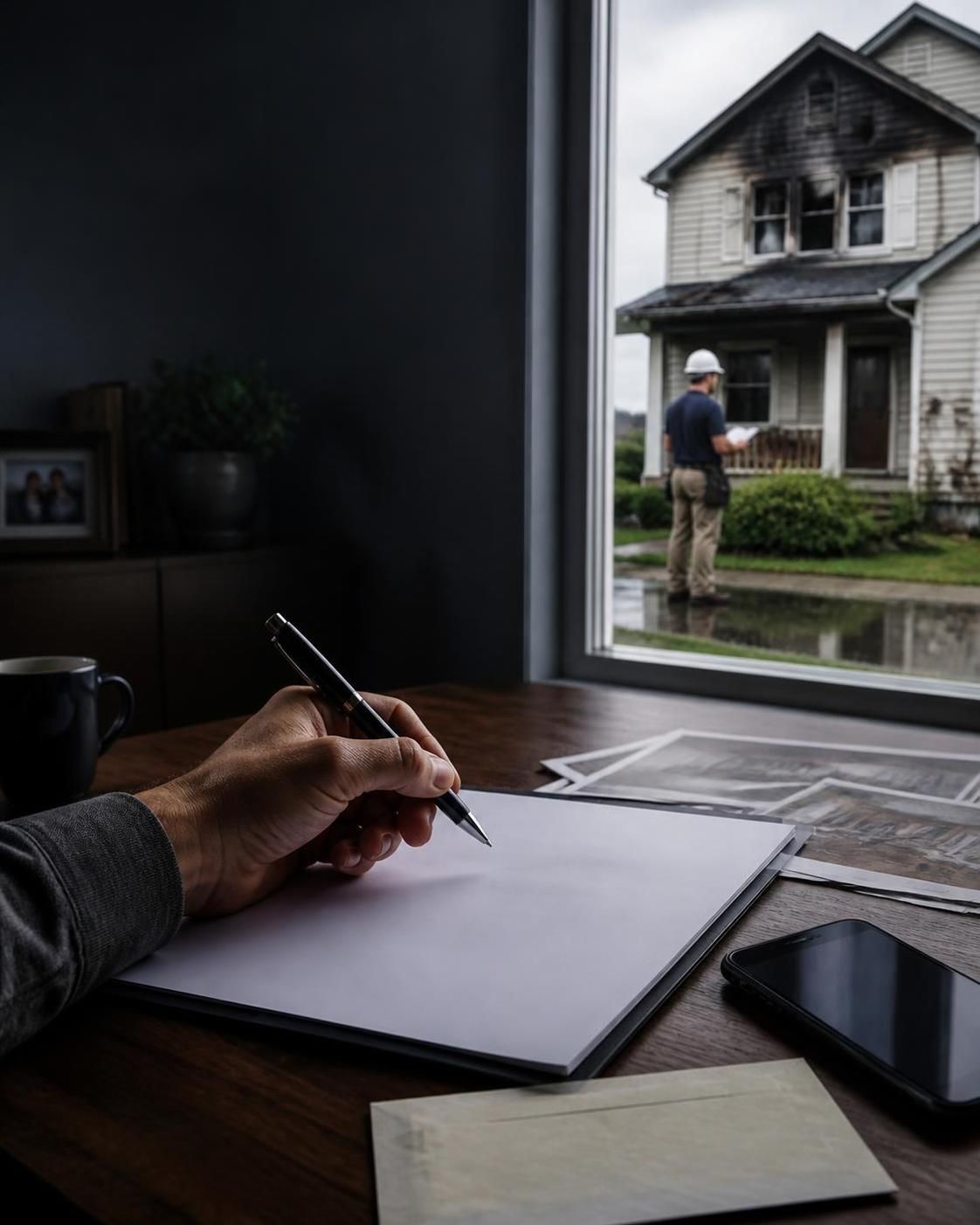
Under Nevada Revised Statute (NRS 684A), public adjusters are state-licensed professionals qualified to evaluate structural damage, draft independent scope-of-loss estimates, interpret complex policy language, and negotiate directly with your insurer.
Why You Should Consult a Public Adjuster First:
• Avoid Trap Statements: Carrier adjusters often request recorded statements early on while homeowners are stressed and traumatized. Misspoken estimates of damage can be weaponized to limit your final settlement.
• Accurate Scope of Loss: Company adjusters frequently overlook hidden smoke migration inside HVAC systems, electrical conduit scorching, and structural framing degradation.
• Proven Settlement Increases: Independent audits show policyholders who utilize licensed public adjusters receive significantly higher final claim settlements than those who handle claims alone.
Common Pitfalls to Avoid After a Fire Loss
1. Signing quick release forms: Never accept an initial settlement check if it includes language releasing the insurer from future claims before full restoration estimates are finalized.
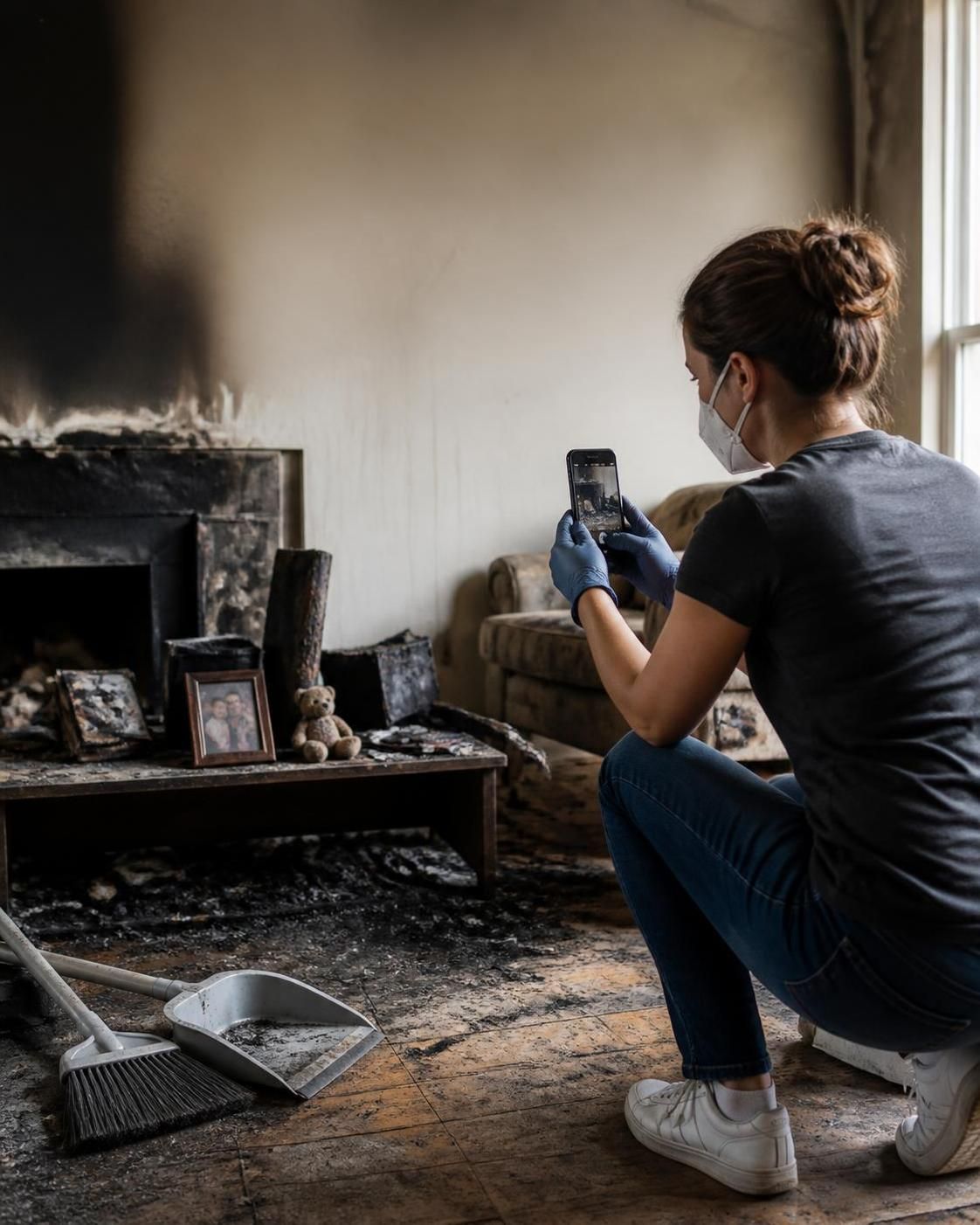
2. Throwing away damaged items: Do not dispose of charred furniture, appliances, or personal belongings until the insurer's adjuster inspects them and you have cataloged them with photographs.
3. Assuming your policy covers everything: Every policy contains exclusions, sub-limits, and co-insurance clauses. Have a professional review your specific policy declaration page.
Maximize Your Fire Insurance Settlement Today
Was your insurance claim payout lower than expected, or was your claim denied entirely? You do not have to accept the insurance company's initial offer.
Get a free, no-obligation evaluation of your property loss:
👉 Get a FREE Check on Your Insurance Claim
Frequently Asked Questions: Nevada House Fire Claims & Restoration
1. How long do I have to file a fire insurance claim in Nevada?
Answer: Most Nevada homeowners policies require prompt notification, typically within 1 year from the date of loss. However, notifying your insurer immediately is critical to securing emergency living expense advances and preventing claim delays.
Estimated Monthly Search Volume: 1,900
2. What is Coverage D / Additional Living Expenses (ALE) in Nevada?
Answer: Coverage D pays for reasonable costs exceeding your normal living expenses when a covered fire renders your home uninhabitable. This includes hotel stays, rental homes, restaurant meals, extra commute expenses, and pet boarding.
Estimated Monthly Search Volume: 2,400
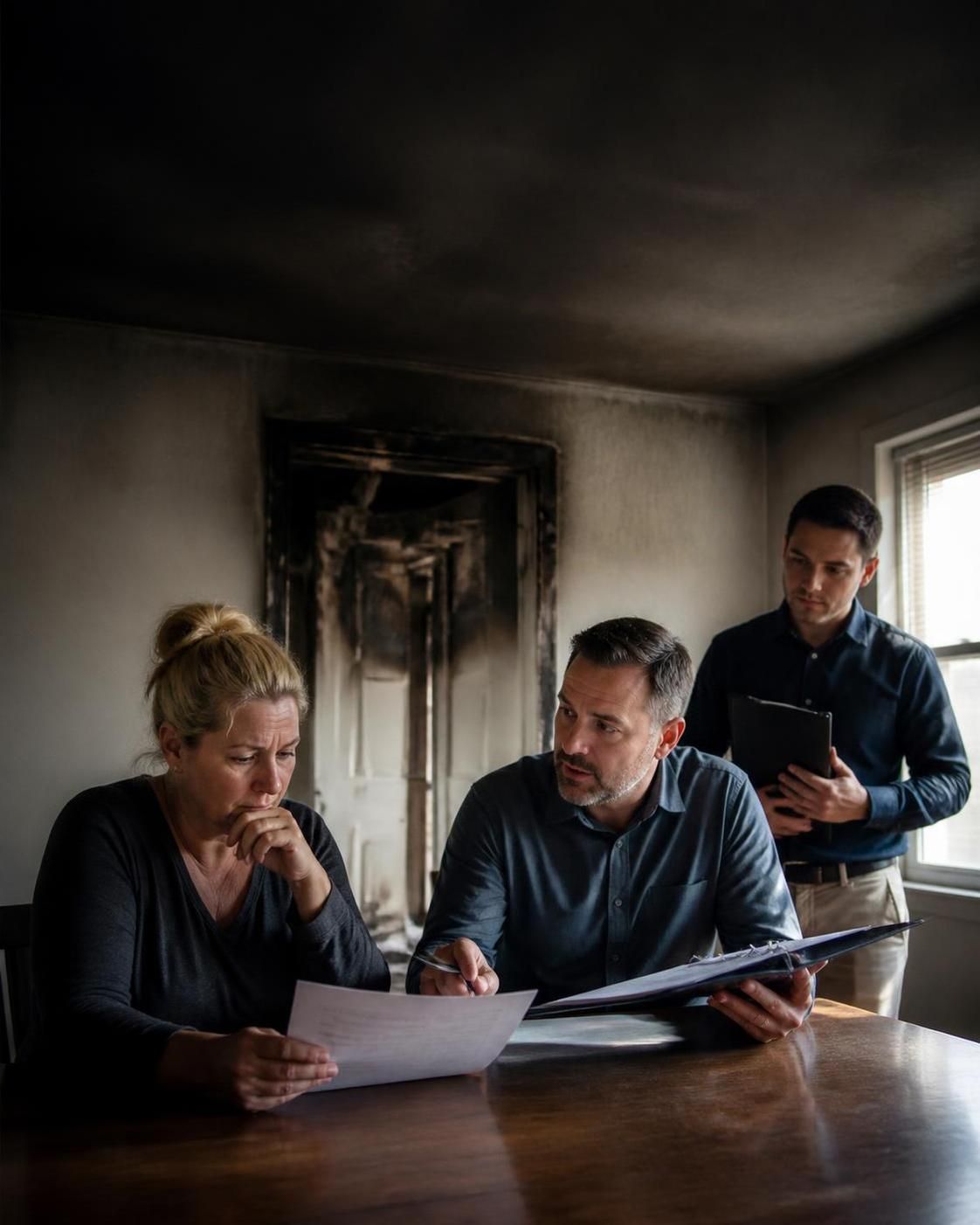
3. Do I have to use the restoration contractor my insurance company recommends?
Answer: No. Under Nevada law, policyholders have the right to select any licensed, independent restoration vendor for board-up, water extraction, and structural rebuilding.
Estimated Monthly Search Volume: 1,600
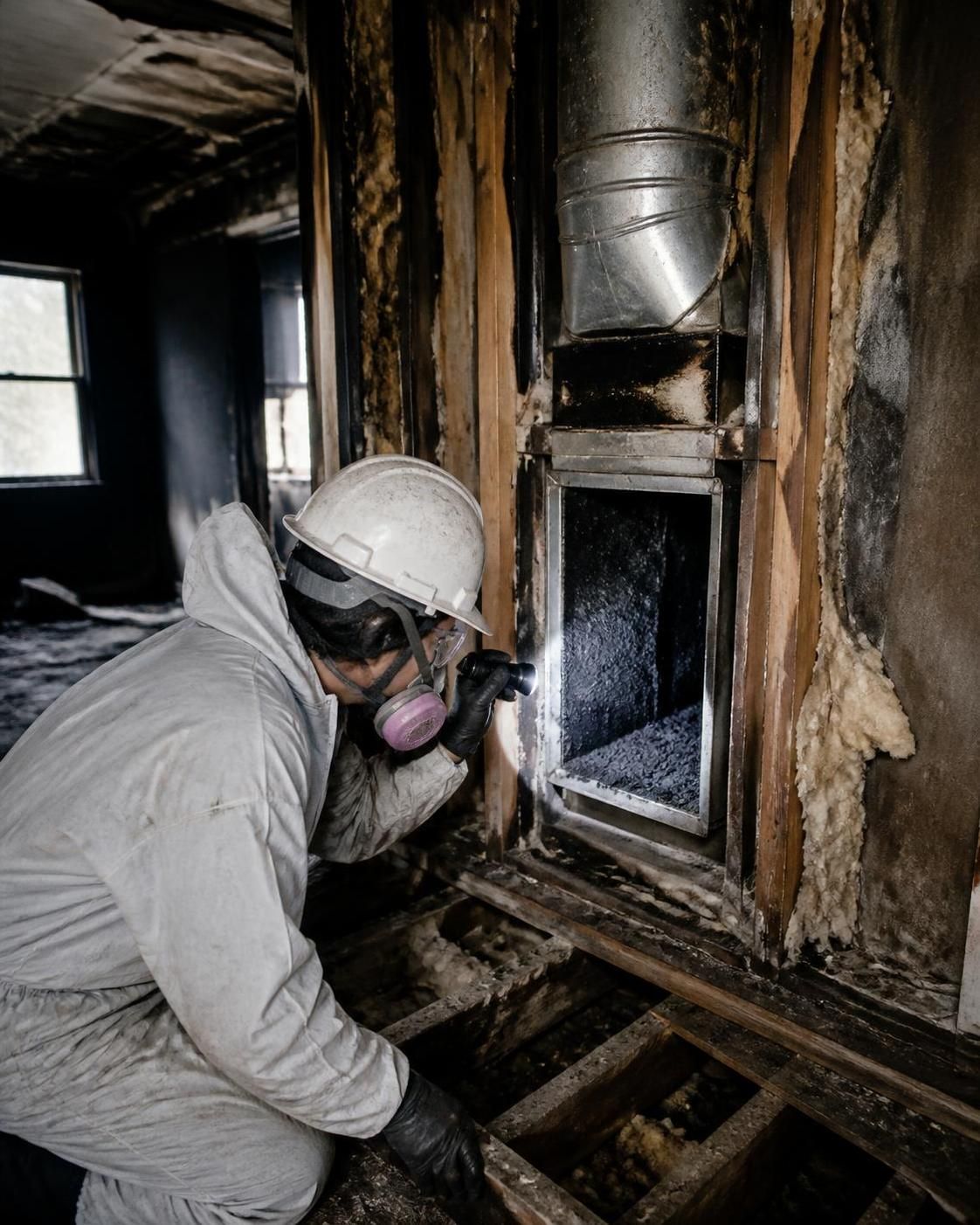
4. What is the difference between an insurance adjuster and a public adjuster in Nevada?
Answer: An insurance adjuster works directly for the insurance company to protect the carrier's financial interest. A licensed Nevada Public Adjuster (NRS 684A) works exclusively for the policyholder to evaluate, document, and negotiate maximum claim payouts.
Estimated Monthly Search Volume: 3,100
5. How do I get a copy of my Fire Incident Report?
Answer: You can request an official fire report online or via the Records Division/Fire Prevention Bureau of the responding agency (such as Las Vegas Fire & Rescue or Clark County Fire Dept) by providing your address and incident date.
Estimated Monthly Search Volume: 1,200
6. What happens if my fire insurance claim is underpaid or denied in Nevada?
Answer: You can dispute the payout by hiring a licensed public adjuster to perform a independent appraisal, submitting a supplemental estimate, or filing a formal complaint with the Nevada Division of Insurance.
Estimated Monthly Search Volume: 2,100
7. Who pays for emergency board-up and roof tarping after a fire?
Answer: Emergency mitigation services are paid under your homeowner policy's reasonable repairs clause. Property owners are required to secure the property promptly to prevent secondary weather or vandalism damage.
Estimated Monthly Search Volume: 1,400
8. How is smoke and soot damage calculated in a Nevada fire claim?
Answer: Smoke damage assessments require testing HVAC ductwork, attic insulation, and structural framing. Proper restoration estimates cover specialized thermal fogging, ozone treatment, and full replacement of porous material.
Estimated Monthly Search Volume: 1,800
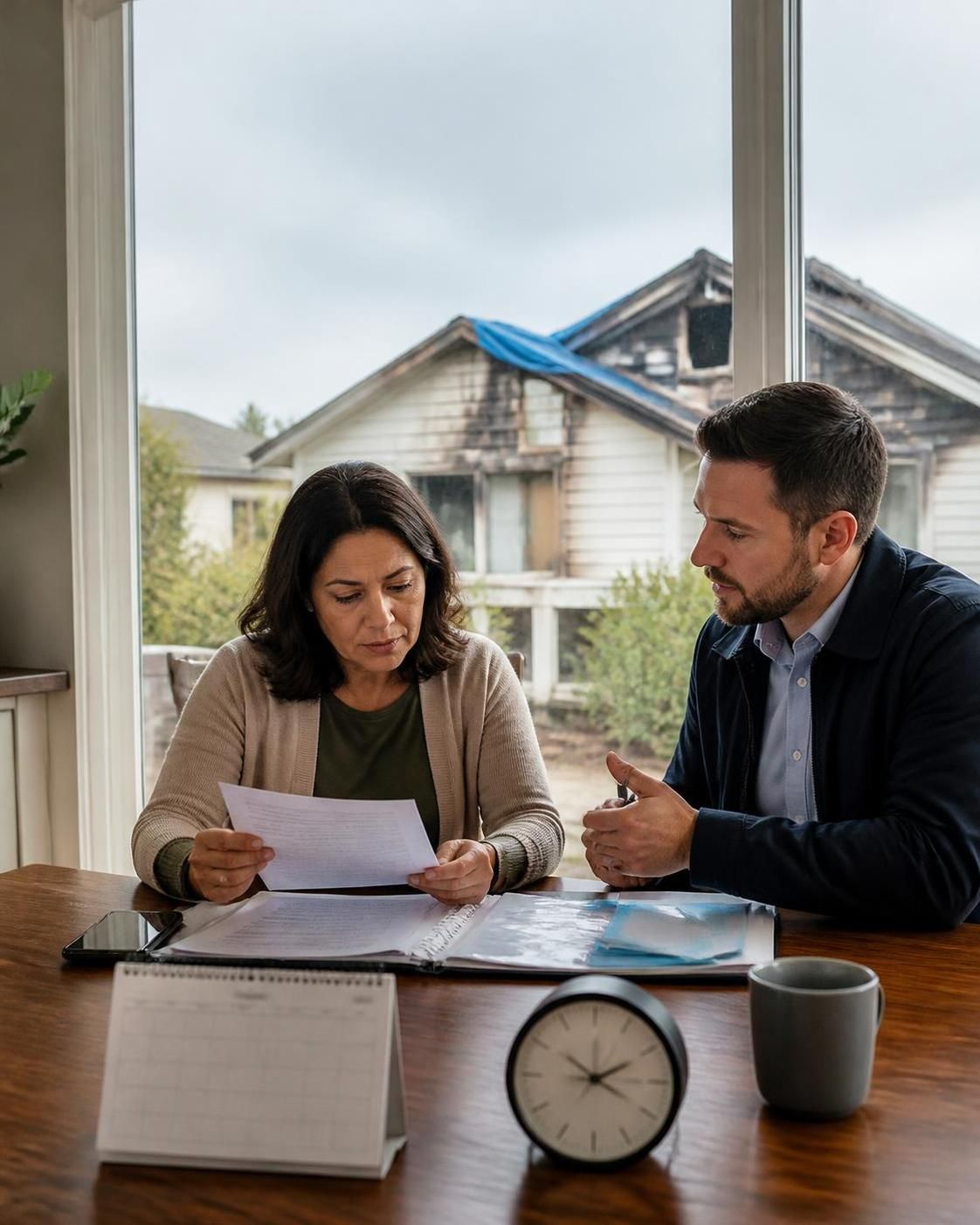
9. Should I clean up fire damage myself before the insurance inspection?
Answer: No. Never clean or throw away damaged items before the insurance adjuster completes their inspection and photos are documented. Disturbing ash can spread toxic particles and invalidate proof of loss.
Estimated Monthly Search Volume: 1,500
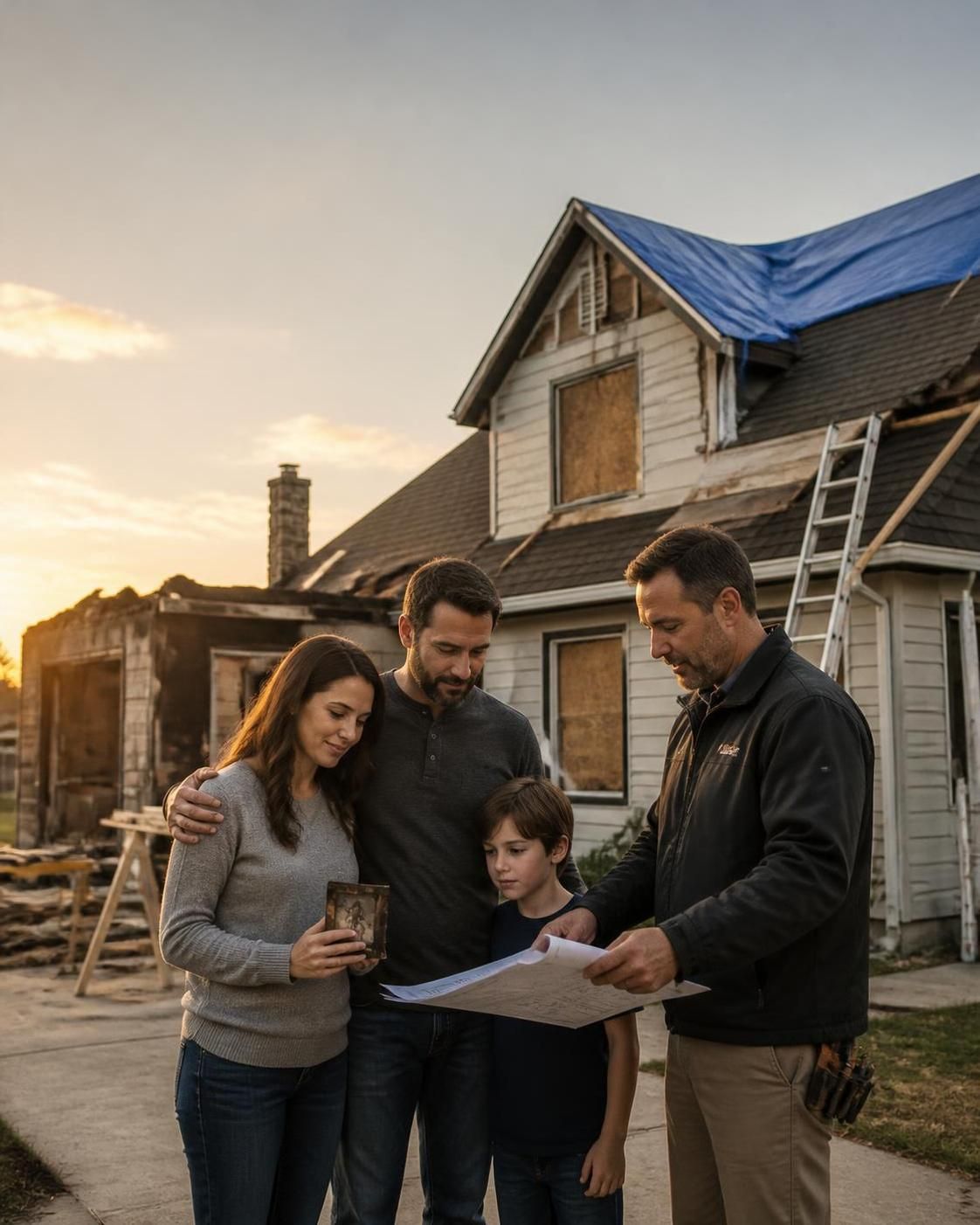
10. How long does a fire insurance claim payout take in Nevada?
Answer: Under Nevada regulations, insurance companies must acknowledge claims within 20 working days and reach a decision within 30 days after receiving complete proof-of-loss documentation, though complex total losses may take longer.
Estimated Monthly Search Volume: 2,800
Social Media Copy & Campaign Assets
Option 1: LinkedIn & Facebook Long-Form Post
Title: 5 Critical Actions to Take Within 24 Hours of a Las Vegas House Fire
A house fire leaves property owners overwhelmed, but the decisions you make in the first 24 hours directly dictate your insurance payout.
If you or someone you know is dealing with property fire damage in Nevada, follow these 5 essential steps immediately:
1️⃣ Wait for Fire Department Clearance: Do not re-enter until Clark County or Las Vegas Fire officials declare the building structurally safe.
2️⃣ Get Your Incident Report: Request your official Fire Incident Report number right away.
3️⃣ Demand ALE Advances: Secure immediate Additional Living Expenses funds for temporary housing and clothes.
4️⃣ Board Up & Tarp Immediately: Protect broken windows and open roof sections to satisfy your policy's mitigation requirement.
5️⃣ Know Nevada NRS 684A Rights: Speak with a licensed Nevada Public Adjuster BEFORE giving recorded statements to the insurance carrier's adjuster.
Insurance company initial offers are notoriously low. Don't leave money on the table when rebuilding your life.
Need an independent review of your claim? Get a free check here: https://metropanevada.com/claim
#FireIncidentReport #ALEAdvance #EmergencyBoardUp #NRS684A #ClarkCountyFire #NevadaRealEstate #InsuranceClaims
Option 2: Short-Form Video / Reels / TikTok Script (60 Seconds)
Hook (0-5s): "If your house catches fire in Nevada, DO NOT talk to your insurance company until you do these 3 things."
Body (5-45s):
"First: Get your official Fire Incident Report number from Las Vegas or Clark County Fire. You'll need it for every dollar you claim.
Second: Ask for an immediate ALE advance. That's Additional Living Expenses—your insurance company owes you cash right now for hotels, food, and clothes.
Third: Before you let their adjuster record a single word, consult a licensed Nevada public adjuster under NRS 684A. Company adjusters work for the bank account of the insurance company—public adjusters work for YOU."
CTA (45-60s): "Was your claim underpaid or denied? Tap the link in our bio for a free claim check at metropanevada.com/claim!"
Option 3: X / Twitter Thread (3 Posts)
1/3: A house fire is chaotic, but your first steps dictate your insurance recovery. Here are the 5 immediate actions Nevada property owners must take post-fire: 🧵
2/3:
1. Get official Fire Dept clearance.
2. Secure your Fire Incident Report #.
3. Request ALE emergency funds for housing.
4. Tarp roofs & board up windows to mitigate loss.
5. Consult a licensed Public Adjuster (NRS 684A) before giving recorded statements.
3/3: Don't settle for lowball insurance offers. Know your rights under Nevada law.
Read our full guide: https://metropanevada.com/blog-253306/b/nevada-public-adjuster-insurance-claims
Free claim double-check: https://metropanevada.com/claim

Post 1: The First 24 Hours
The smoke clears, the fire trucks pull away, and you’re standing on the sidewalk in whatever shoes you grabbed on the way out. 💔
If your home suffers a fire, rushing back inside or panic-calling the first contractor you see can severely damage your safety and recovery.
Protect your family and your insurance claim with these 3 immediate actions:
1️⃣ Wait for official written clearance from local fire authorities before stepping back inside.
2️⃣ Request an immediate Additional Living Expenses (ALE) advance from your insurer so you don't pay out-of-pocket for hotels or basic necessities.
3️⃣ Obtain your official Fire Incident Report number—your adjuster will demand it before releasing major funds.
Have you ever navigated a major insurance claim after a disaster? What do you wish someone had warned you about on Day 1? 👇
Post 2: Don't Talk to Your Insurance Company Until You Know This
🚨 HOMEOWNERS: Before you give a recorded statement to your insurance company after a house fire, read this. 🚨
When disaster strikes, insurance company adjusters arrive quickly. Remember: they work for the carrier’s bottom line, NOT for you.
Under state law (such as NRS 684A), you have the right to hire a licensed Public Adjuster.
• Company Adjuster = Protects the insurer’s payout.
• Public Adjuster = Works exclusively for YOU to ensure every inch of smoke, soot, and structural damage is fully valued.
One misspoken word during a stressful interview can limit your settlement. Protect yourself first.
Have you ever received a lowball insurance offer? Share your story in the comments below. 👇
👉 Get a FREE Check on Your Insurance Claim https://metropanevada.com/claim
Full article here: https://metropanevada.com/post/what-steps-should-i-take-immediately-following-a-house-fire
Post 3: The Hidden Damage
You see the charred walls... but do you know what’s hidden inside your HVAC ducts? 💨🔥
Visible structural damage is only half the battle. Soot and smoke travel deep into electrical conduits, attic insulation, and subflooring, leading to air quality issues and structural degradation if ignored.
Proper mitigation—like board-ups and thermal fogging—is critical. Most policies require you to secure the property from secondary weather or theft damage!
What’s a hidden home repair nightmare you’ve dealt with? Tell us your experience below! 👇
👉 Get a FREE Check on Your Insurance Claim https://metropanevada.com/claim
Full article here: https://metropanevada.com/post/what-steps-should-i-take-immediately-following-a-house-fire
Post 4: Hotel Bills Stacking Up?
Imagine watching your credit limit vanish just paying for hotels and meals after a fire... 🏨💳
You don't have to drain your savings while waiting for a settlement!
Standard homeowners insurance includes Coverage D: Additional Living Expenses (ALE) to cover:
This covers:
✅ Temporary housing comparable to your current residence
✅ Restaurant meals above your normal grocery spending
✅ Pet boarding and extra commuting costs
Pro tip: Request an emergency cash or check advance within 24–48 hours of the loss!
Did you know policies covered displaced pet boarding? Drop your questions below! 👇
👉 Get a FREE Check on Your Insurance Claim https://metropanevada.com/claim
Full article here: https://metropanevada.com/post/what-steps-should-i-take-immediately-following-a-house-fire
Post 5: The "Quick Release" Trap
⚠️ WARNING: Do NOT sign a quick release form until you know the true cost of repairs! ⚠️
Receiving an initial check right after a fire feels like a relief. But watch out for fine print releasing the insurer from future claims before complete restoration estimates are finished.
Once you sign, recovering additional funds for hidden smoke, water, or structural damage becomes nearly impossible.
Once you sign, getting additional funds for hidden smoke or water damage becomes an uphill battle.
Have you or someone you know been burned by signing insurance papers too quickly? Share your advice below! 👇
👉 Get a FREE Check on Your Insurance Claim https://metropanevada.com/claim
Full article here: https://metropanevada.com/post/what-steps-should-i-take-immediately-following-a-house-fire
Post 6: You Choose Your Contractor
Myth: "I have to use the repair contractor my insurance company recommends."
Fact: ABSOLUTELY NOT. 🚫🛠️
Under the law, policyholders have the right to hire any licensed, independent restoration team for board-ups, tarping, and rebuilding.
Preferred vendor networks often focus on keeping repair costs low for the insurer. Your independent contractor focuses on restoring your home to pre-loss condition.
Who is the most trustworthy local contractor or tradesperson you’ve worked with? Tag them below! 👇
Post 7: Don't Clean Up Yet!
Your natural instinct after a fire is to pick up a broom and start cleaning up. 🧹🔥
STOP! Doing this too soon can ruin your insurance claim.
Disposing of charred items before the official inspection and photo documentation destroys your proof of loss. Plus, disturbing ash spreads toxic particulate matter.
Always catalogue and photograph every single damaged item first!
What is one sentimental item in your home you’d save above all else? Comment below! 👇
👉 Get a FREE Check on Your Insurance Claim https://metropanevada.com/claim
Full article here: https://metropanevada.com/post/what-steps-should-i-take-immediately-following-a-house-fire
Post 8: Fire Incident Reports Decoded
It's just a piece of paper, right? Wrong. 📄🔥
Your official Fire Incident Report from responding fire agencies is a crucial document for your claim timeline.
It records official cause findings, arrival timestamps, and initial structural safety observations.
• Official fire cause findings
• Exact arrival timestamps
• Initial safety & structural observations
Insurance carriers require this incident report number before disbursing major payouts. Getting your copy right away helps prevent unnecessary delays.
Have you ever needed to request official records after an emergency? How was your experience? 👇
Post 9: Know Your Rights
Did you know state regulations mandate strict response deadlines for insurance companies? ⏰📊
Key timeline rights for policyholders:
👉 Insurers must acknowledge your filed claim promptly (often within 20 working days).
👉 Decisions are required within set windows (typically 30 days after complete proof-of-loss submission).
If your claim is stalled or underpaid, you can file a formal appraisal request or work with a licensed Public Adjuster to protect your rights.
How long did your longest insurance claim take to settle? Let's compare in the comments! 👇
