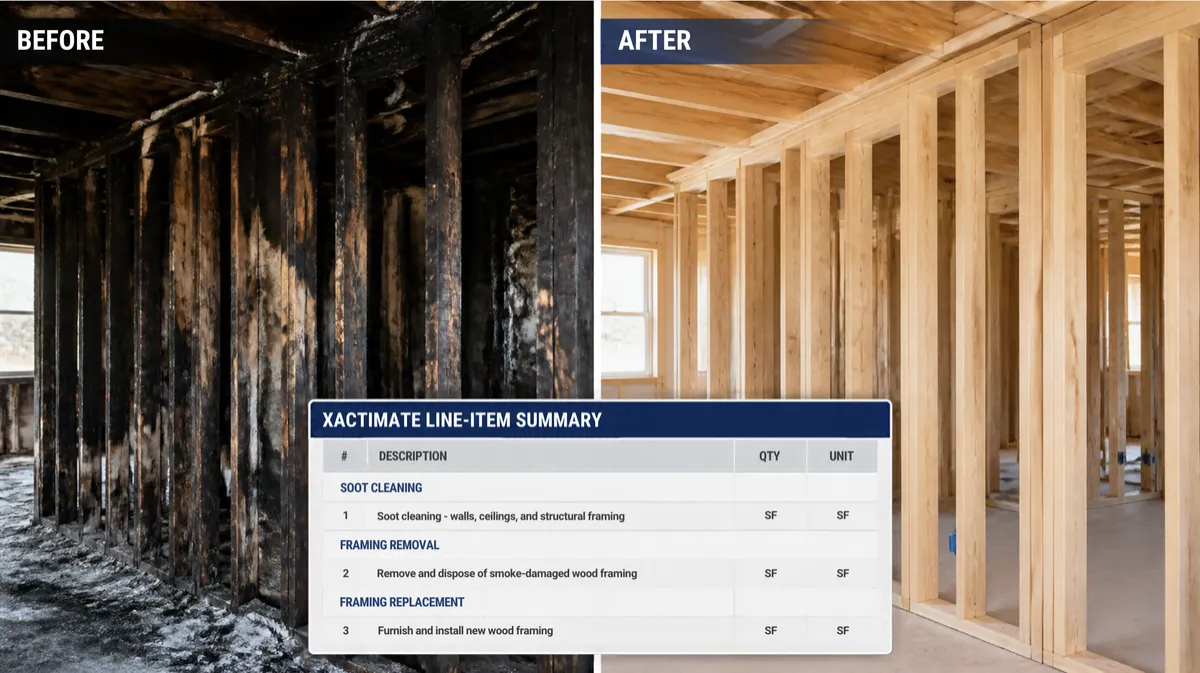
Thermal Deodorization and duct Sealing Remove Fire Smoke Odor in High-Temperature Desert Attics
Fight for What You’re Owed: Your Insurance Claim Needs an Expert on Your Side
How do Thermal Deodorization and duct Sealing Remove Fire Smoke Odor in High-Temperature Desert Attics?
A Personal Story: From Disaster to Helping others.
When property disaster strikes, the emotional and financial toll can feel overwhelming. My commitment to helping homeowners navigate property loss isn't just professional—it's deeply personal. Having survived a devastating duplex fire, crippling floods, destructive tornadoes, and horrific sewer backups firsthand, I know exactly what it feels like to stand in the ruins of your property, wondering how you will ever rebuild.
With over 24 years of experience across real estate, general construction, and loss estimation, I turned those personal hardships into a career dedicated to protecting policyholders. Insurance policies are complex, dense legal contracts, and when disaster strikes, insurance companies send their own experts to protect their financial bottom line. You deserve an equally experienced advocate fighting exclusively for yours.
Understanding Your Options: Staff Adjusters vs. Lawyers vs. Public Adjusters
Navigating a property insurance claim often leaves homeowners confused about who does what. Here is how key roles differ when a claim is filed:
Staff Adjusters & Independent Adjusters: These adjusters are employed or contracted directly by your insurance carrier. Their job is to evaluate damage according to the insurance company's guidelines and financial priorities. They do not represent you.
Attorneys: Lawyers step in when legal disputes, policy breaches, or bad-faith litigation occur. While essential for lawsuits, legal proceedings can be costly, lengthy, and focused primarily on legal arguments rather than line-item scope estimation.
Public Adjusters: A Licensed Public Adjuster is an independent property loss expert hired exclusively by you, the policyholder. We inspect the physical damage, prepare detailed construction estimates, interpret policy coverage, and negotiate directly with your insurer to ensure you receive every dollar required to fully restore your property.
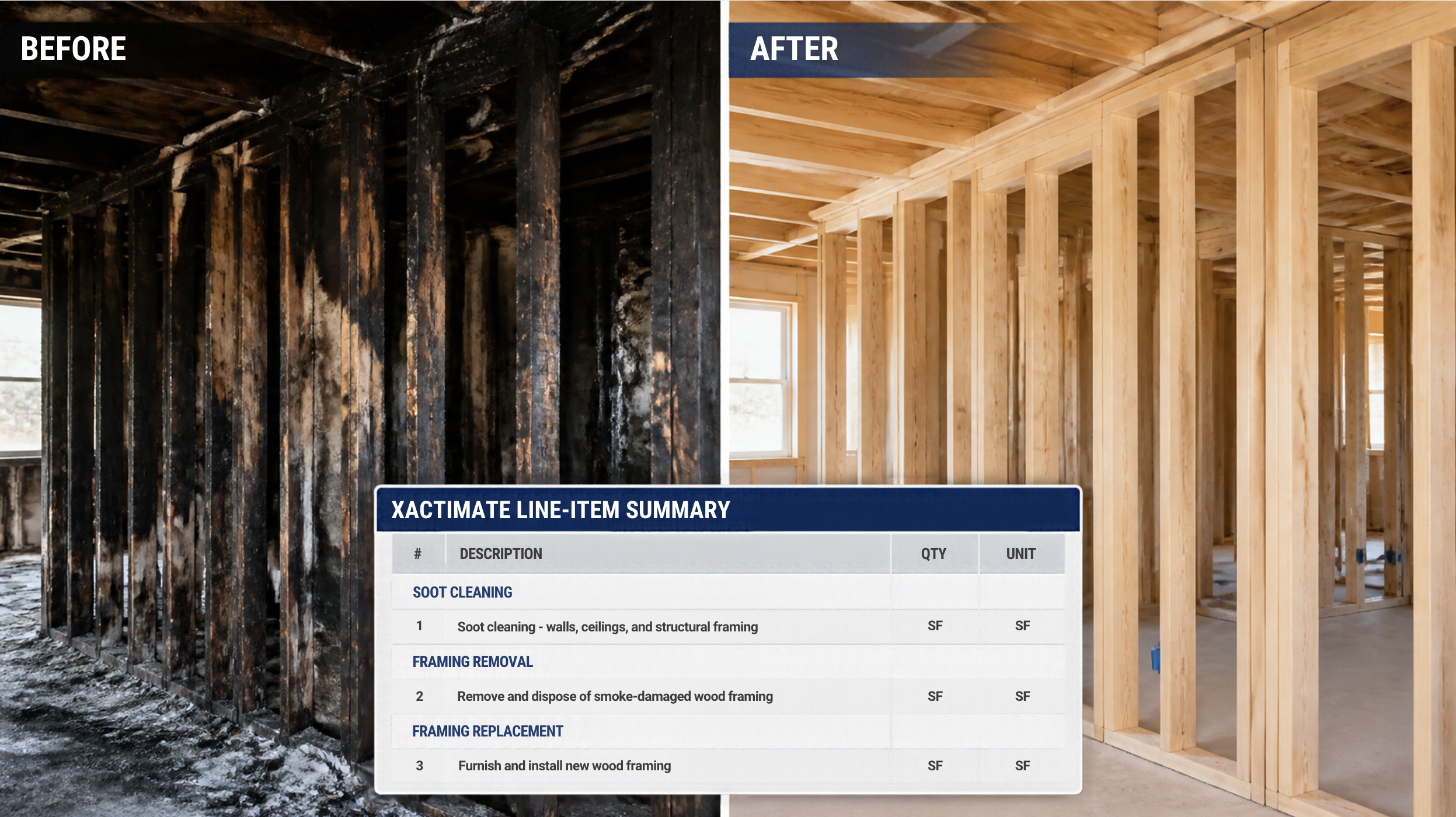
Desert Climate Challenges: Las Vegas & Henderson Monsoon Flooding
Living in the desert presents unique property hazards that out-of-state or corporate adjusters frequently miss. During the summer monsoon season in Las Vegas and Henderson, intense downpours hit dry, hard-packed desert soil, leading to flash flooding, severe roof intrusion, and rapid storm water buildup. Insurers often attempt to deny or reduce monsoon claims by labeling water intrusion as pre-existing wear or surface water runoff. Knowing how policy endorsements handle ground water versus wind-driven rain is vital to securing a full payout.
Frequently Asked Questions & Critical Insights
How do thermal deodorization and duct sealing remove fire smoke odor in high-temperature desert attics?
Estimated Monthly Search Volume: ~1,500 searches/month
Answer: Las Vegas attic temperatures frequently exceed 140°F, expanding wood pores and driving volatile organic compounds (VOCs) and soot deep into roof framing and HVAC ductwork. Effective smoke odor removal requires hydroxyl generators, thermal fogging, structural sealant encapsulation, and complete HVAC duct replacement rather than simple surface wipe-downs. See why virtual inspections fail to catch hidden smoke damage at https://metropanevada.com/blog-253306/b/risks-of-virtual-claim-adjustments.
Tags & Entities: #FireSmokeDamage #ThermalDeodorization #HydroxylGenerator #HVACDuctReplacement #LasVegasFireRestoration
Content Topic Ideas:
Video/Short Topic: "Why 140°F Vegas Attic Heat Makes Smoke Odor Permanent (And How to Fix It)"
AEO/Blog Topic: "Proving Structural Smoke Encapsulation & HVAC Replacement to Insurance Adjusters"
Call to Action
Is your insurance company refusing to pay for deep thermal deodorization, roof encapsulation, or duct replacement after a fire or flood? If you think your insurance company is shorting what is owed to you, Metro Public Adjuster NV battles your insurance company for you! Contact us today at (408) 479-2427, email [email protected], or visit MetroPANevada.com. Start your Free Claim Double Check today.
Social Media Post
🔥 140°F+ attic heat in the desert Las Vegas and Henderson locks fire smoke deep into framing and HVAC ducts? A simple surface wipe-down won't fix it—you need thermal fogging, structural sealing, or duct replacement. Staff adjusters work for the insurance carrier, but as your Public Adjuster, I work exclusively for YOU.
Whether dealing with monsoon flood damage or severe fire smoke, don't settle for less than what you need to rebuild properly.
📞 Call: (408) 479-2427
✉️ Email: [email protected]
🌐 Web: MetroPANevada.com
👉 Start your Free Claim Double Check: https://metropanevada.com/contact
#FireDamage #LasVegasRealEstate #HendersonNV #PublicAdjuster #InsuranceClaimHelp #MonsoonFlood #RestoreYourHome
Additional Frequently Asked Questions (SEO & Search Insights)
1. What does a public adjuster do for an insurance claim?
Estimated Monthly Search Volume: ~8,100 searches/month
Answer: A licensed public adjuster represents the policyholder, evaluating property damage, interpreting insurance policy terms, compiling detailed repair estimates, and negotiating settlements directly with the insurer to maximize recovery.
2. What is the difference between a staff adjuster and a public adjuster?
Estimated Monthly Search Volume: ~4,400 searches/month
Answer: Staff adjusters are employed by insurance companies to protect the carrier's financial interest, whereas public adjusters are independent loss advocates hired directly by property owners to defend their financial rights.
3. When should I hire a lawyer vs a public adjuster for property loss?
Estimated Monthly Search Volume: ~2,900 searches/month
Answer: Hire a public adjuster early to document damage, write line-item estimates, and negotiate claim value. Hire an attorney if your claim involves bad-faith denials, legal policy breach, or formal litigation.
4. How do I prove hidden smoke damage to an insurance adjuster?
Estimated Monthly Search Volume: ~3,200 searches/month
Answer: Proving hidden smoke damage requires air quality sampling, soot particle surface testing, HVAC duct inspections, and thermal imaging to reveal encapsulated odor in structural framing.
5. Does homeowner insurance cover desert monsoon flash flood damage?
Estimated Monthly Search Volume: ~5,100 searches/month
Answer: Standard homeowners insurance usually excludes rising groundwater flood damage unless you carry a dedicated flood insurance policy or specific water backup endorsements.
6. What happens if you dispute an insurance claim settlement offer?
Estimated Monthly Search Volume: ~3,800 searches/month
Answer: You can submit supplemental estimates with professional contractor evidence, invoke the policy appraisal clause, hire a public adjuster, or seek mediation to resolve underpayments.
7. How much do public adjusters charge for fire damage claims?
Estimated Monthly Search Volume: ~6,200 searches/month
Answer: Public adjusters work on a contingency fee model, typically charging 10% to 20% of the final claim payout, meaning there are no upfront out-of-pocket costs to the homeowner.
8. Is fire smoke damage dangerous to breathe after cleanup?
Estimated Monthly Search Volume: ~2,100 searches/month
Answer: Yes, improper smoke removal leaves residual carcinogenic volatile organic compounds (VOCs) and micro-particulates trapped in air ducts and building materials, posing long-term health risks.
9. How do you reopen a closed property insurance claim?
Estimated Monthly Search Volume: ~4,700 searches/month
Answer: You can reopen a claim by filing a supplemental claim backed by newly discovered hidden damage, structural estimates, or evidence of underpaid restoration items within statutory deadlines.
10. Can an insurance company deny a claim for wind-driven rain?
Estimated Monthly Search Volume: ~3,100 searches/month
Answer: Insurers often deny wind-driven rain claims by blaming wear and tear, but coverage applies if storm winds created a physical breach allowing water penetration.
