
Property Damage Recovery Checklist
Property Damage Recovery Checklist
https://metropanevada.com/post/property-damage-recovery-checklist1
It happened. Let us help with the heavy lifting while you focus on your family.
Nothing is more frustrating than losing property to a disaster. It's happened to us many times, and we're here to walk you through every step of the recovery process.
Our 5 Core Recovery Pillars
Emergency Help: Immediate guidance, scene assessment, and 24/7 crisis support in the critical hours following a disaster.
Mitigation: Emergency board-up, roof tarping, structural drying, and water extraction to prevent secondary damage.
Restoration: Comprehensive structural repairs and complete rebuilding to return your home to pre-loss condition.
Insurance Management: Expert representation and claim negotiation to secure maximum payout from your insurance carrier.
Relocation: Assistance securing temporary housing and managing Additional Living Expenses (ALE).
Step-by-Step Homeowner Recovery Checklist
Phase 1: Immediate Safety & Emergency Response
Verify with local emergency responders (fire department or municipal officers) before attempting to re-enter the structure.
Obtain your official Incident Report Number from responding personnel for your insurance claim file.
Shut off main water and power supply valves if it is safe to do so.
Secure temporary emergency lodging and essential supplies for your family.
Phase 2: Emergency Mitigation (Protecting Your Property)
Authorize emergency mitigation services (water extraction, drying, tarping, board-up) to satisfy your policy's legal duty to mitigate loss.
Secure open doors, broken windows, and damaged roof sections against weather, vandalism, and theft.
Be cautious of signing sweeping restoration contracts or broad Assignment of Benefits (AOB) prior to an independent claim review.
Phase 3: Evidence & Property Documentation
Take extensive photos and videos of all structural damage, water lines, soot marks, and exterior property damage before cleanup begins.
Retain all damaged furniture, appliances, trim, and personal belongings until an adjuster inspects them.
Create an itemized personal contents inventory including brand names, serial numbers, estimated replacement costs, and purchase dates.
Request moisture meter readings and thermal imaging logs from mitigation technicians.
Phase 4: Expense & Loss of Use Tracking
Keep a detailed record and save all receipts for temporary lodging, hotel bills, extra food costs, and essential purchases.
File temporary receipts under your insurance policy's Additional Living Expenses (ALE) / Loss of Use coverage.
Phase 5: Insurance Claim Management & Rights Protection
Know your legal rights: You have the right to choose your own licensed independent contractors and are not required to use carrier-preferred vendors.
Exercise your right to independent claim representation (such as a licensed Public Adjuster) to ensure fair scoping.
Avoid depositing insurance checks marked "final settlement" without professional claim review.
Refrain from giving recorded statements or accepting arbitrary carrier limits (like 3-day drying caps) without technical documentation.
Get Help Today – $0 Upfront Cost Claim Review
Don't navigate property loss alone or settle for less from your insurance company. Let us handle the insurance battle and heavy lifting while you focus on what matters most—your family.
👉Start Your Free Claim Evaluation at Insurance Claim Dude
1. Question: What should I do immediately after my home suffers water or flood damage?
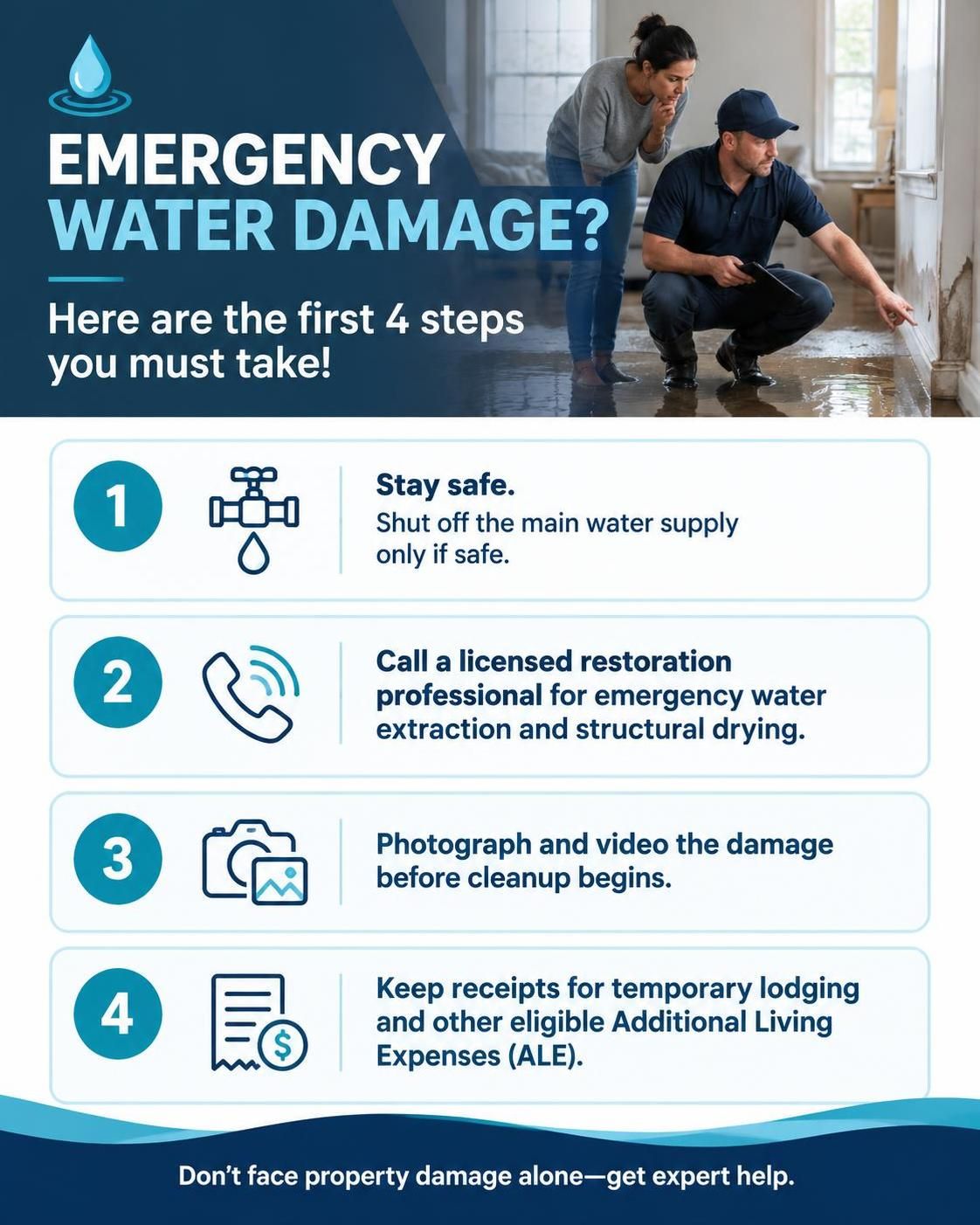
Answer: Immediately ensure personal safety and shut off main water supply valves if safe. Contact a licensed restoration professional right away for emergency water extraction, structural drying, and tarping to halt secondary mold damage. Document all damage with photos and videos before cleanup begins, and retain all receipts for temporary lodging under your policy's Additional Living Expenses (ALE) coverage.
Monthly Search Volume: 22,200
Social Post:
Headline: Emergency Water Damage? Here Are the First 4 Steps You Must Take!
Post Text: When water floods your home, seconds count! 🌊 Shut off main water valves, photo-document structural damage before cleanup, authorize emergency drying to prevent mold, and keep all hotel/food receipts for insurance reimbursement. Don't fight property damage alone—get expert help today! #WaterDamage #EmergencyRestoration #PropertyRecovery #HomeownersInsurance
Keywords: water damage immediate steps, emergency water extraction, flood damage recovery, structural drying, home water damage checklist
2. Question: Does homeowners insurance cover water damage from burst pipes?
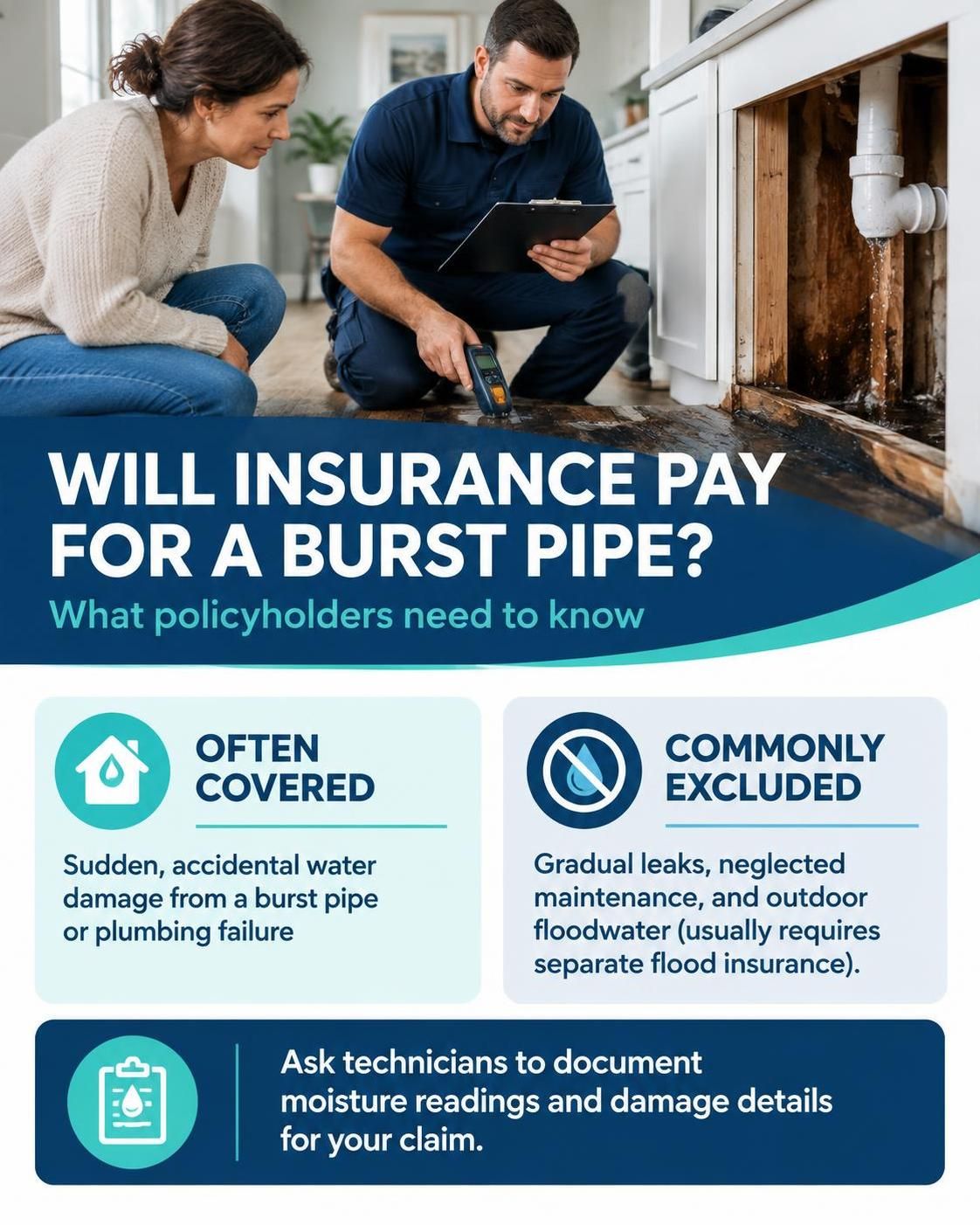
Answer: Yes, standard homeowners insurance policies generally cover sudden and accidental water damage caused by burst pipes or plumbing failures. However, policies typically exclude gradual leaks, maintenance neglect, or outdoor flood waters (which require separate flood insurance). Ensure technicians log moisture readings and technical evidence to support your claim.
Monthly Search Volume: 18,100
Social Post:
Headline: Will Insurance Pay for a Burst Pipe? Here’s What Policyholders Need to Know!
Post Text: Did a plumbing disaster wreck your floors or walls? 💧 Sudden pipe bursts are typically covered under standard homeowners insurance, but insurance carriers will look for reasons to deny claims based on "gradual leaks." Get proper forensic moisture logs and independent claim advice to protect your payout! #InsuranceClaim #BurstPipe #WaterDamageCoverage #HomeInsurance
Keywords: burst pipe insurance coverage, homeowners insurance water damage, covered vs uncovered water loss, plumbing claim payout
3. Question: What is the difference between an insurance carrier adjuster and a public adjuster?
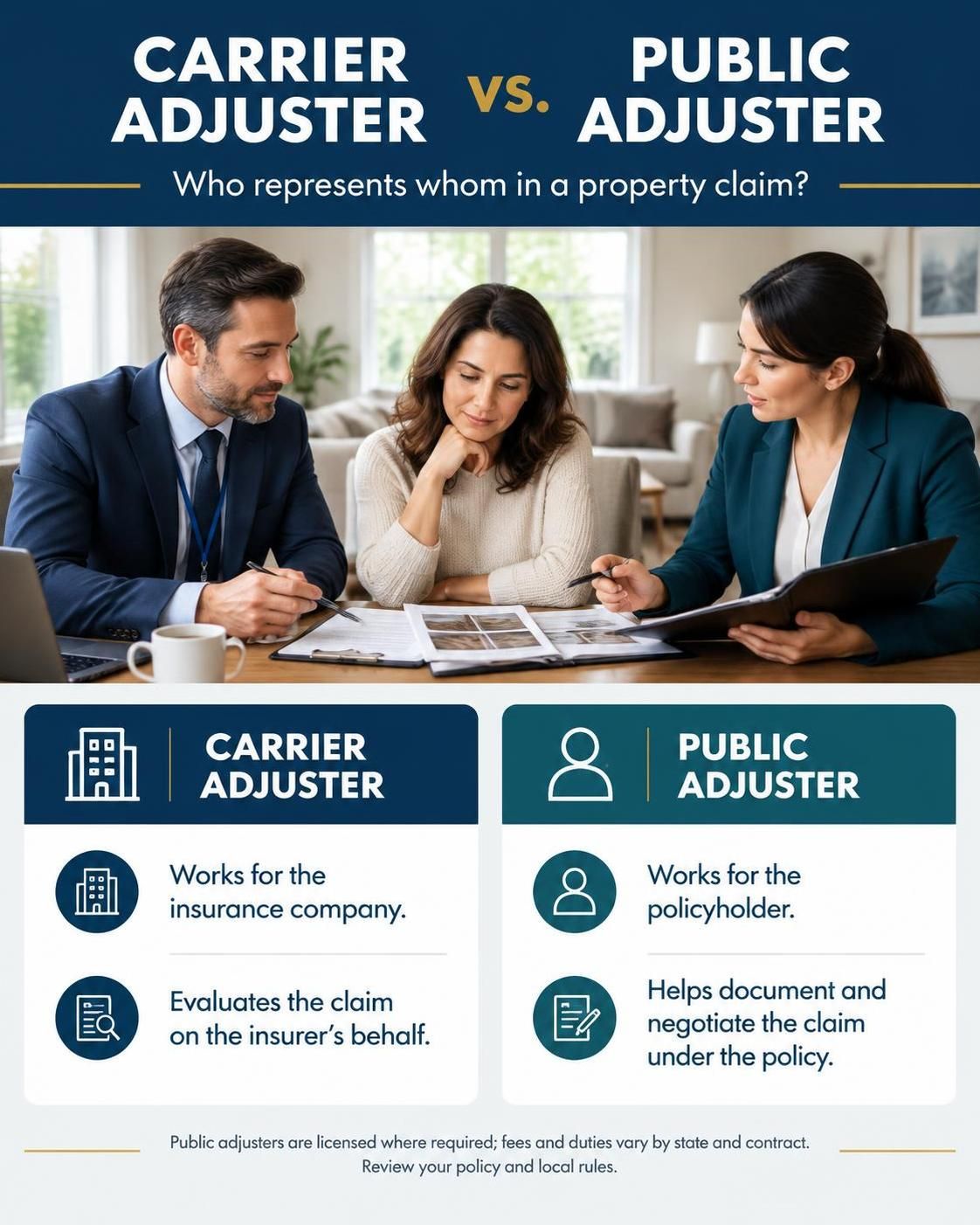
Answer: A carrier desk or field adjuster is hired by and works exclusively for the insurance company to minimize financial loss and limit claim payouts. A licensed Public Adjuster works exclusively for you, the policyholder, with a legal fiduciary duty to advocate for maximum financial recovery, fair structural scoping, and full coverage under your policy terms.
Monthly Search Volume: 14,500
Social Post:
Headline: Who’s Really Looking Out for Your Claim? Carrier Adjuster vs. Public Adjuster
Post Text: Did you know the insurance adjuster assigned to your disaster claim works for the insurance company—NOT you? ⚖️ A licensed Public Adjuster acts as your independent advocate, scoping every hidden line item to negotiate maximum settlement money. Don't leave your recovery money on the table! #PublicAdjuster #InsuranceAdvocate #ClaimNegotiation #PolicyholderRights
Keywords: public adjuster vs carrier adjuster, independent insurance claim advocate, maximum claim recovery, insurance adjuster fiduciary duty
4. Question: How long does the property restoration process take after a fire or flood?
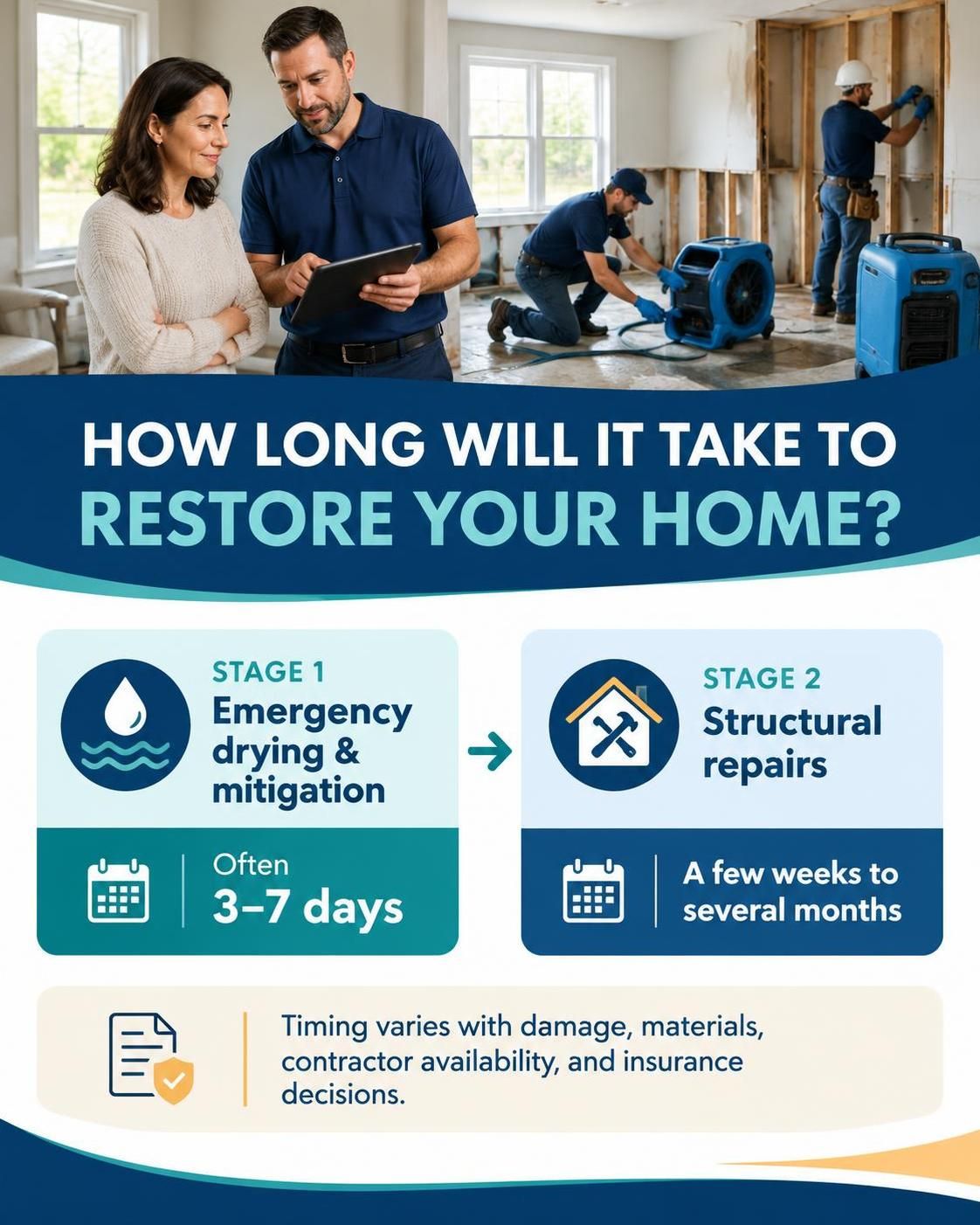
Answer: The property restoration timeline depends on damage severity. Emergency mitigation (water extraction, board-up, and structural drying) typically takes 3 to 7 days. Full structural repairs and reconstruction range from 2 weeks for minor water damage to 3 to 6 months or longer for major fire or structural rebuilding.
Monthly Search Volume: 12,300
Social Post:
Headline: How Long Will It Take to Restore Your Home After a Disaster?
Post Text: Facing a disaster timeline? ⏳ Emergency drying and mitigation usually takes 3 to 7 days, while full structural repairs can take anywhere from a few weeks to several months depending on claim approval speed. Working with an integrated restoration and claim advocacy team speeds up fund releases so rebuilding starts faster! #RestorationTimeline #PropertyRepair #HomeRestoration #DisasterRecovery
Keywords: property restoration timeline, how long structural drying takes, fire damage restoration duration, home repair after flood
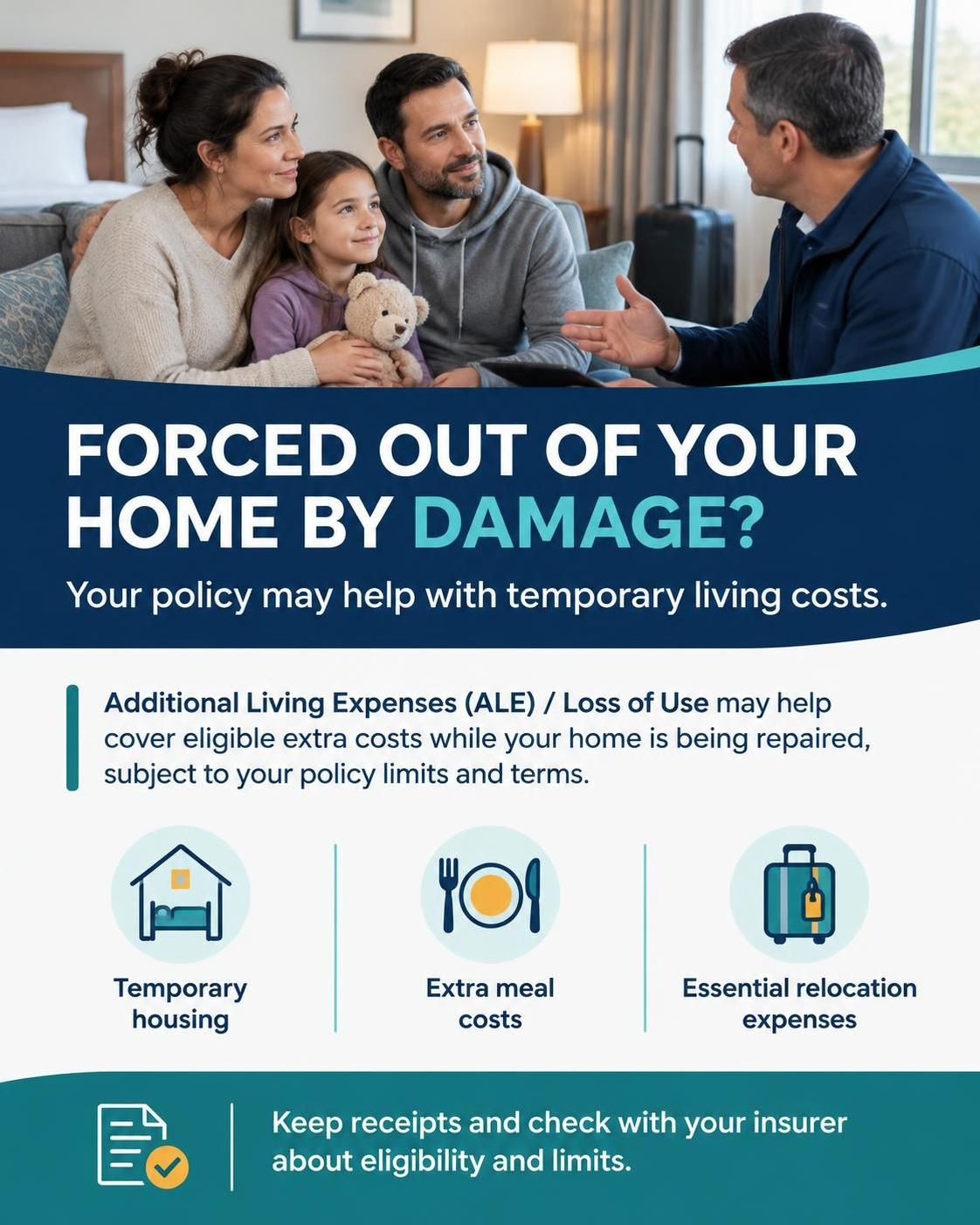
5. Question: What is Additional Living Expenses (ALE) coverage and what does it pay for?
Answer: Additional Living Expenses (ALE), also known as Loss of Use coverage, reimburses policyholders for the extra costs incurred when disaster renders a home uninhabitable. ALE covers hotel or temporary rental costs, extra commuting fees, restaurant food expenses exceeding normal budgets, and pet boarding during restoration.
Monthly Search Volume: 9,800
Social Post:
Headline: Forced Out of Your Home by Damage? Your Policy Pays for Hotel & Food Costs!
Post Text: If a fire or flood makes your home unlivable, you don't have to pay for temporary housing out of pocket! 🏠 Under your policy's Additional Living Expenses (ALE) coverage, your insurer reimburses temporary rental housing, extra food costs, and essential relocation expenses. Keep every receipt! #AdditionalLivingExpenses #LossOfUse #TemporaryHousing #InsuranceTips
Keywords: Additional Living Expenses coverage, Loss of Use insurance reimbursement, temporary lodging after fire, ALE claim receipts
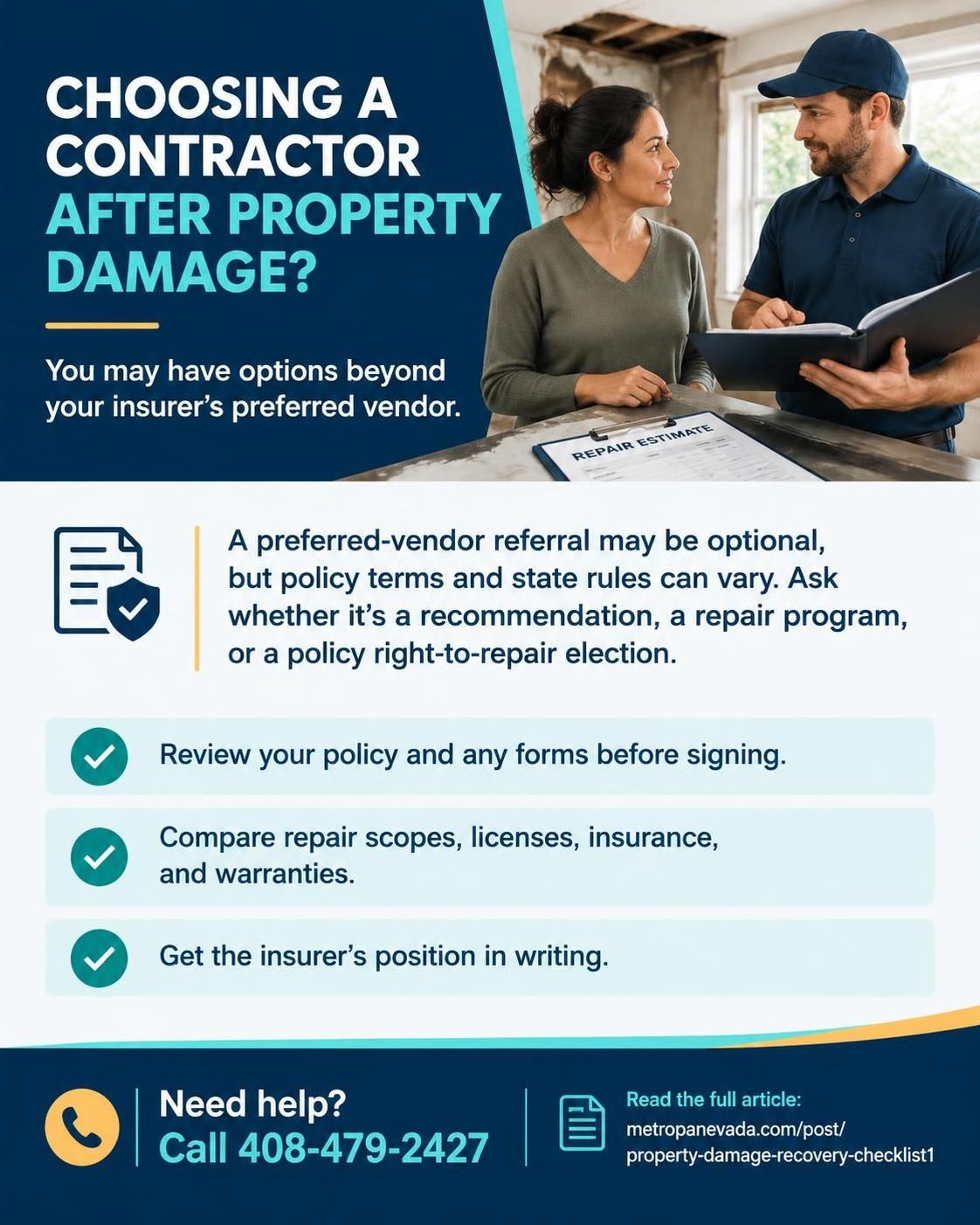
6. Question: Can my insurance company force me to use their preferred restoration contractor?
Answer: No. Under state insurance regulations, policyholders have the absolute legal right to choose their own licensed independent contractors. You are never required to use carrier-preferred vendors, who may operate under cost-cutting agreements with the insurance company.
Monthly Search Volume: 8,700
Social Post:
Headline: You Have the Right to Choose Your Own Contractor—Don't Let Insurance Force You!
Post Text: Is your insurance carrier pushing you to use their "preferred contractor"? 🚫 You have the full legal right to hire independent, trusted restoration professionals of your choice! Choose a team dedicated to restoring your property to pre-loss condition without shortcuts or carrier cutbacks. #PolicyholderRights #RightToChooseContractor #IndependentRestoration #HomeRepairFreedom
Keywords: right to choose restoration contractor, insurance preferred vendor rules, independent repair contractor rights, insurance claim contractor choice
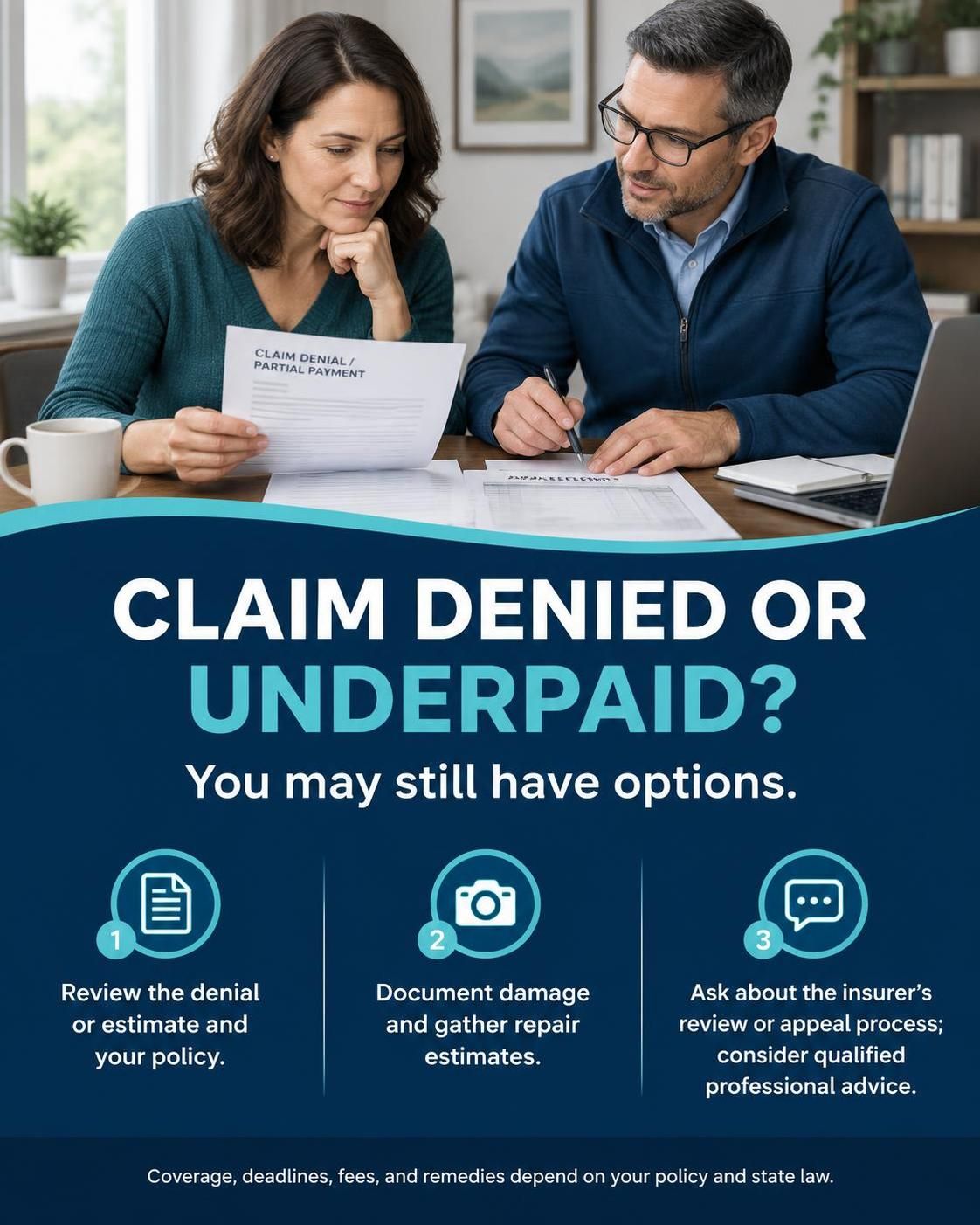
7. Question: What should I do if my homeowners insurance claim is denied or underpaid?
Answer: If your claim is denied or underpaid, do not accept the initial decision as final. Request a detailed written denial explanation, gather all forensic photo evidence and moisture logs, refrain from signing full releases or depositing "final settlement" checks, and consult a licensed Public Adjuster or independent claim specialist to file a formal appeal or re-open the claim.
Monthly Search Volume: 11,400
Social Post:
Headline: Claim Denied or Underpaid? You Still Have Options to Reopen Your Claim!
Post Text: Don't let an unfair insurance denial leave you stranded! ❌ Insurers often underpay complex claims by omitting overhead & profit or under-scoping structural repairs. Get a $0 upfront cost independent claim evaluation to challenge carrier estimates and fight for the payout you're legally owed. #ClaimDenied #UnderpaidInsurance #ClaimReopening #PropertyDamageHelp
Keywords: homeowners claim denied appeal, underpaid insurance claim options, how to reopen property claim, insurance settlement dispute
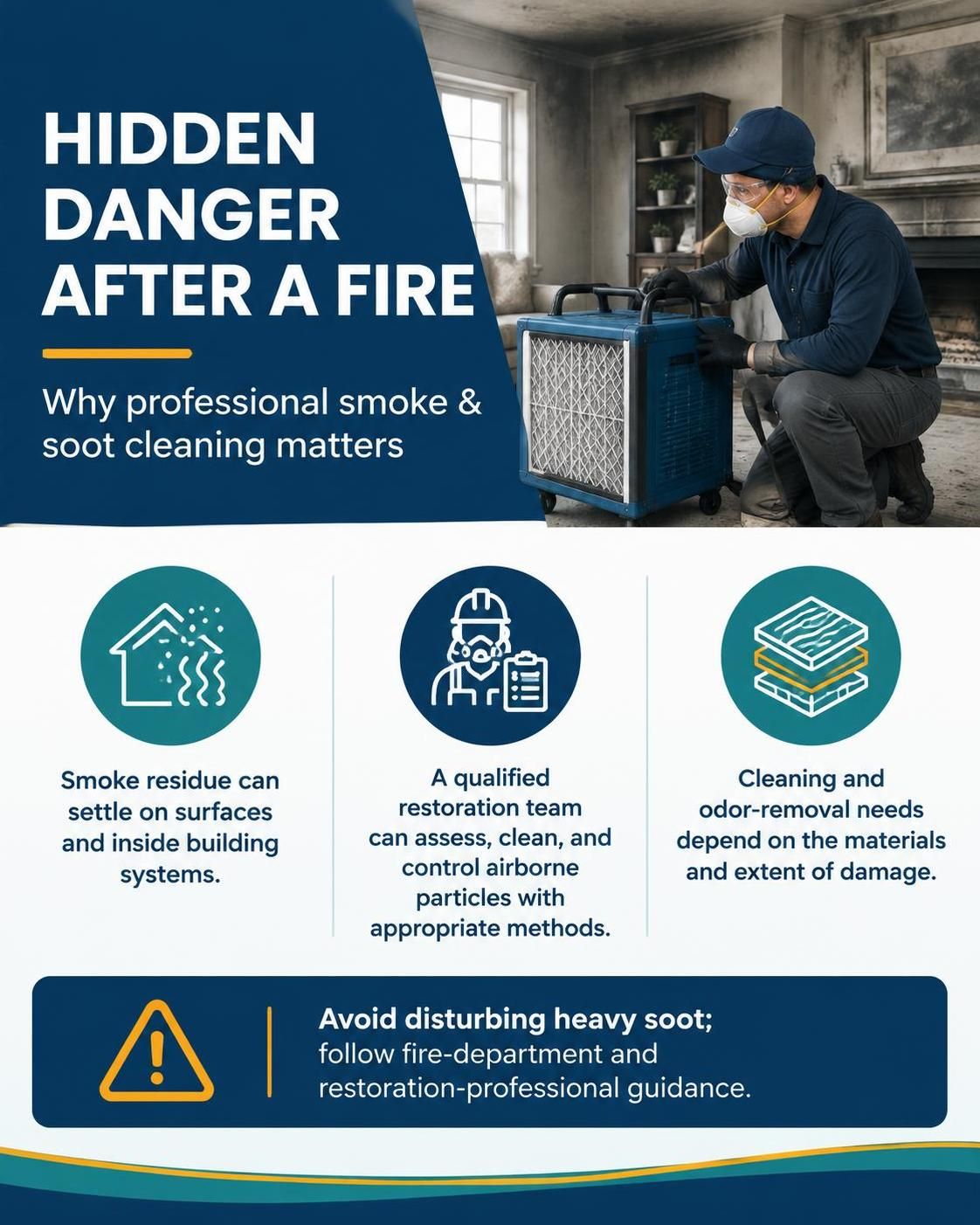
8. Question: How is smoke and soot damage safely remediated after a house fire?
Answer: Smoke and toxic soot remediation requires specialized thermal fogging, ozone or hydroxyl air scrubbers, HEPA vacuuming, and deep chemical cleaning of structural framing and HVAC systems. Untreated smoke residue penetrates porous materials, causing permanent odor, structural degradation, and severe indoor health hazards.
Monthly Search Volume: 7,600
Social Post:
Headline: Hidden Danger After a Fire: Why Professional Smoke & Soot Cleaning is Critical
Post Text: Think fire cleanup is just wiping down walls? 🌫️ Smoke particles and toxic soot penetrate deep into drywall, insulation, and HVAC systems, posing major health risks and lingering odors. Professional restoration uses HEPA filtration and thermal fogging to eliminate hidden hazards completely! #FireDamage #SmokeRemediation #SootCleanup #HomeRestoration
Keywords: smoke damage restoration steps, soot cleaning remediation, fire damage HEPA cleaning, eliminate fire odor home
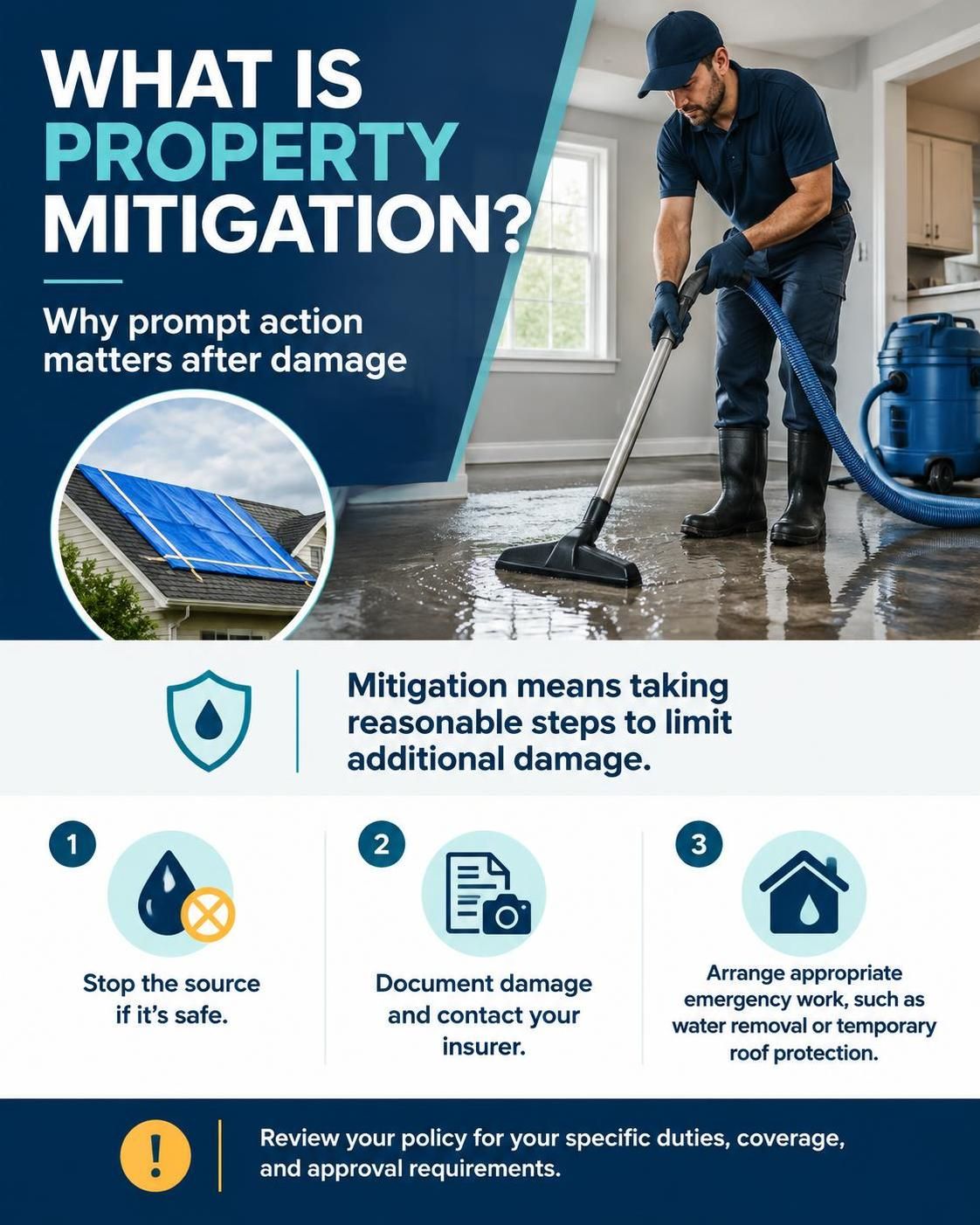
9. Question: What is emergency property mitigation and why is it required by insurance policies?
Answer: Emergency mitigation includes immediate board-up, tarping, water extraction, and structural drying designed to prevent further damage after a loss. Most insurance policies contain a legal "duty to mitigate," requiring property owners to take reasonable steps to prevent secondary damage like mold or structural collapse.
Monthly Search Volume: 6,900
Social Post:
Headline: What is Property Mitigation and Why Does Your Insurance Policy Demand It?
Post Text: Did you know your insurance policy legally requires you to protect your property immediately after a disaster? 🛠️ Emergency mitigation—like water removal and roof tarping—stops secondary damage from spreading and satisfies your policy's legal duty to mitigate. Let our emergency team handle it 24/7! #PropertyMitigation #WaterExtraction #RoofTarping #InsuranceDuty
Keywords: duty to mitigate loss insurance, property mitigation definition, emergency water extraction mitigation, roof tarping boardup
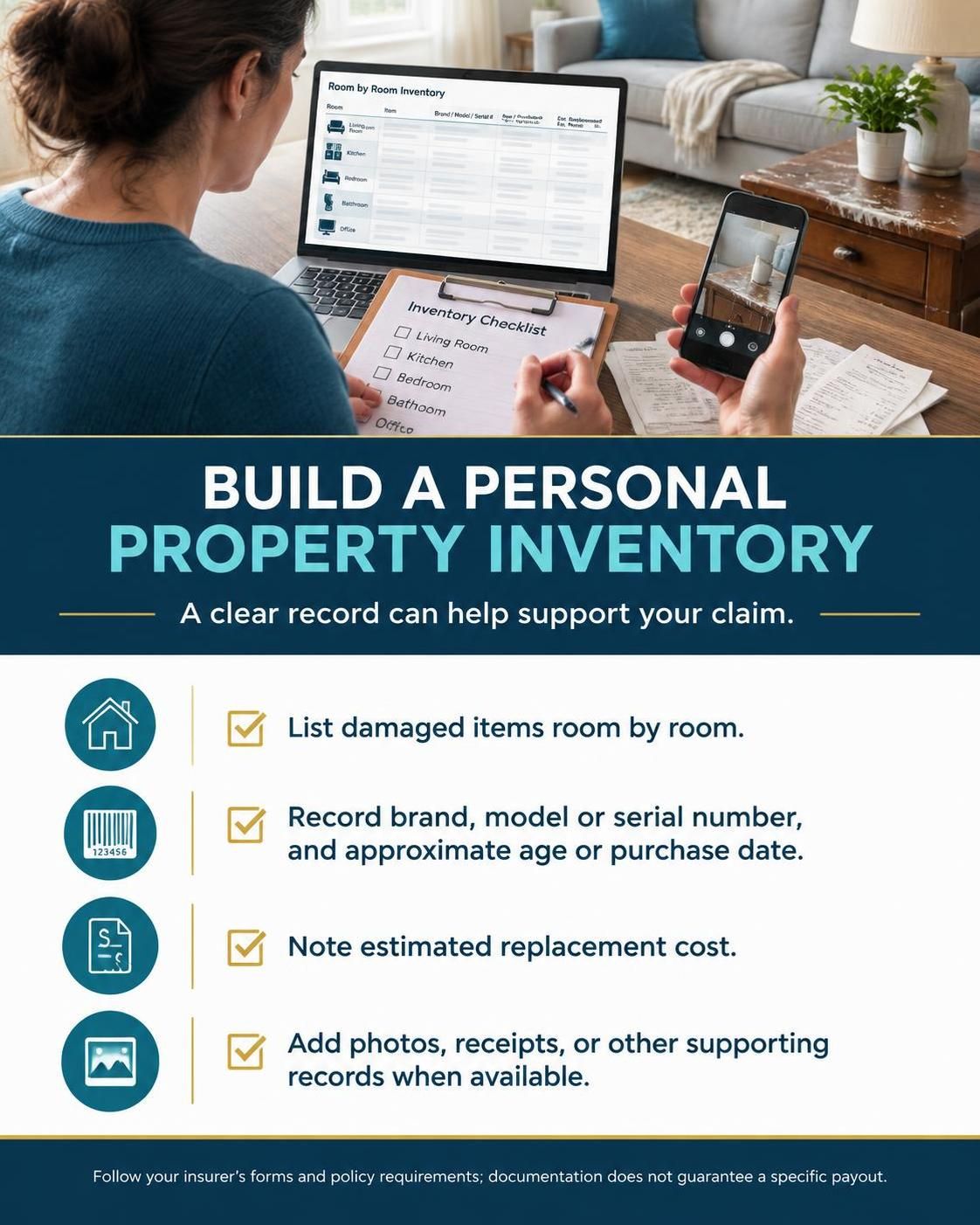
10. Question: How do I create a personal property contents inventory for an insurance claim?
Answer: Create an itemized spreadsheet detailing every damaged personal item room by room. Include brand names, model/serial numbers, age/purchase dates, estimated replacement cost, and supporting photos or receipts. Detailed contents inventories maximize personal property claim payouts.
Monthly Search Volume: 5,400
Social Post:
Headline: How to Build an Unbeatable Contents Inventory for Maximum Payout!
Post Text: Don't rush your contents inventory after a loss! 📋 Document damaged personal belongings room by room with brand names, serial numbers, photos, and estimated replacement costs. Detailed inventories mean faster approvals and higher personal property payouts from your insurer! #ContentsInventory #PersonalPropertyClaim #InsuranceClaimTips #DisasterRecovery
Keywords: contents inventory list insurance claim, personal property inventory spreadsheet, itemized loss list insurance, replacement cost inventory
