We use cookies to improve your experience on our site. By using our site, you consent to the use of cookies. Rejecting cookies will prevent non-essential cookies from loading.
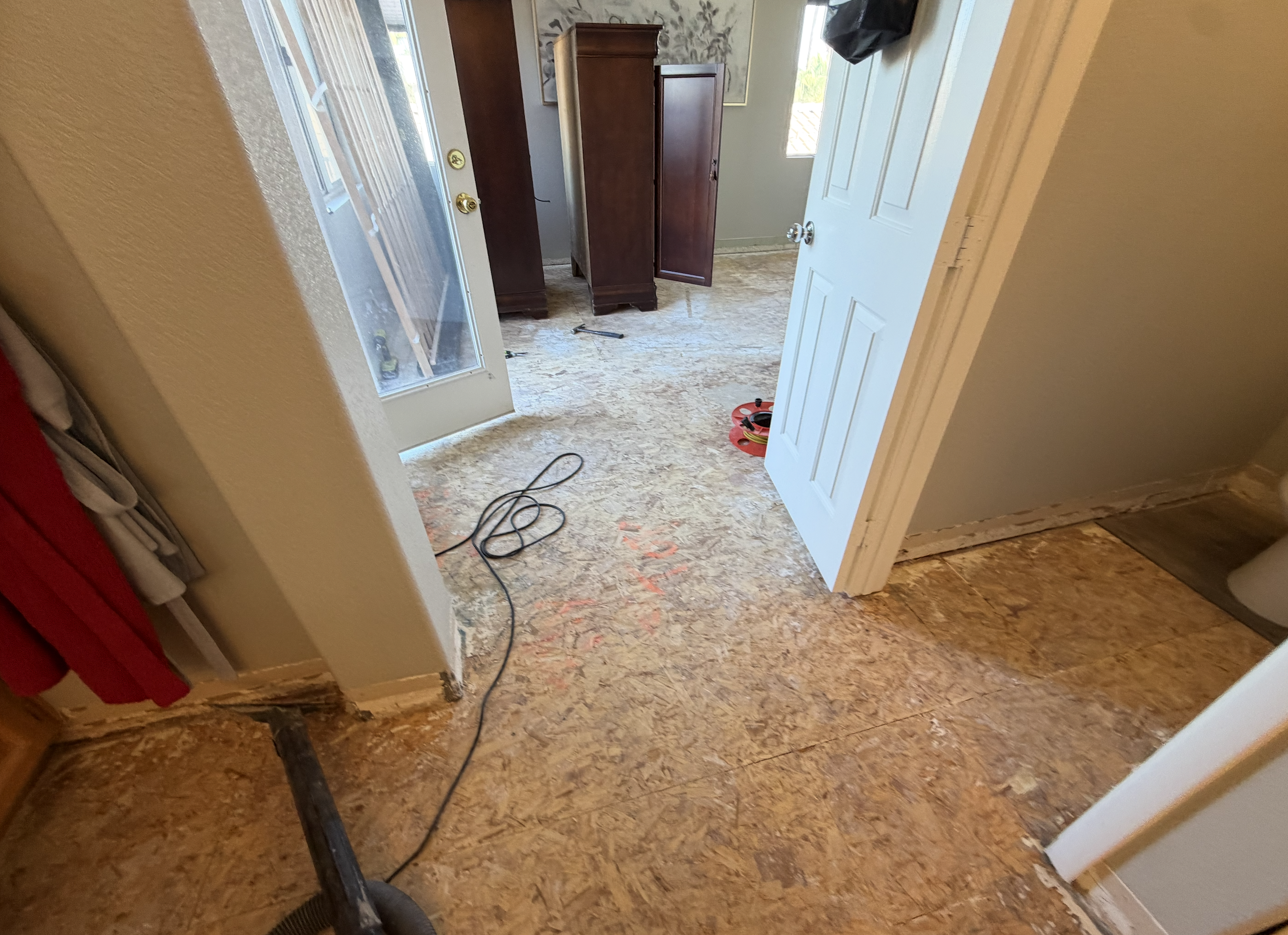
When property damage or loss occurs, Metro Public Adjustment will take care of your insurance claim.
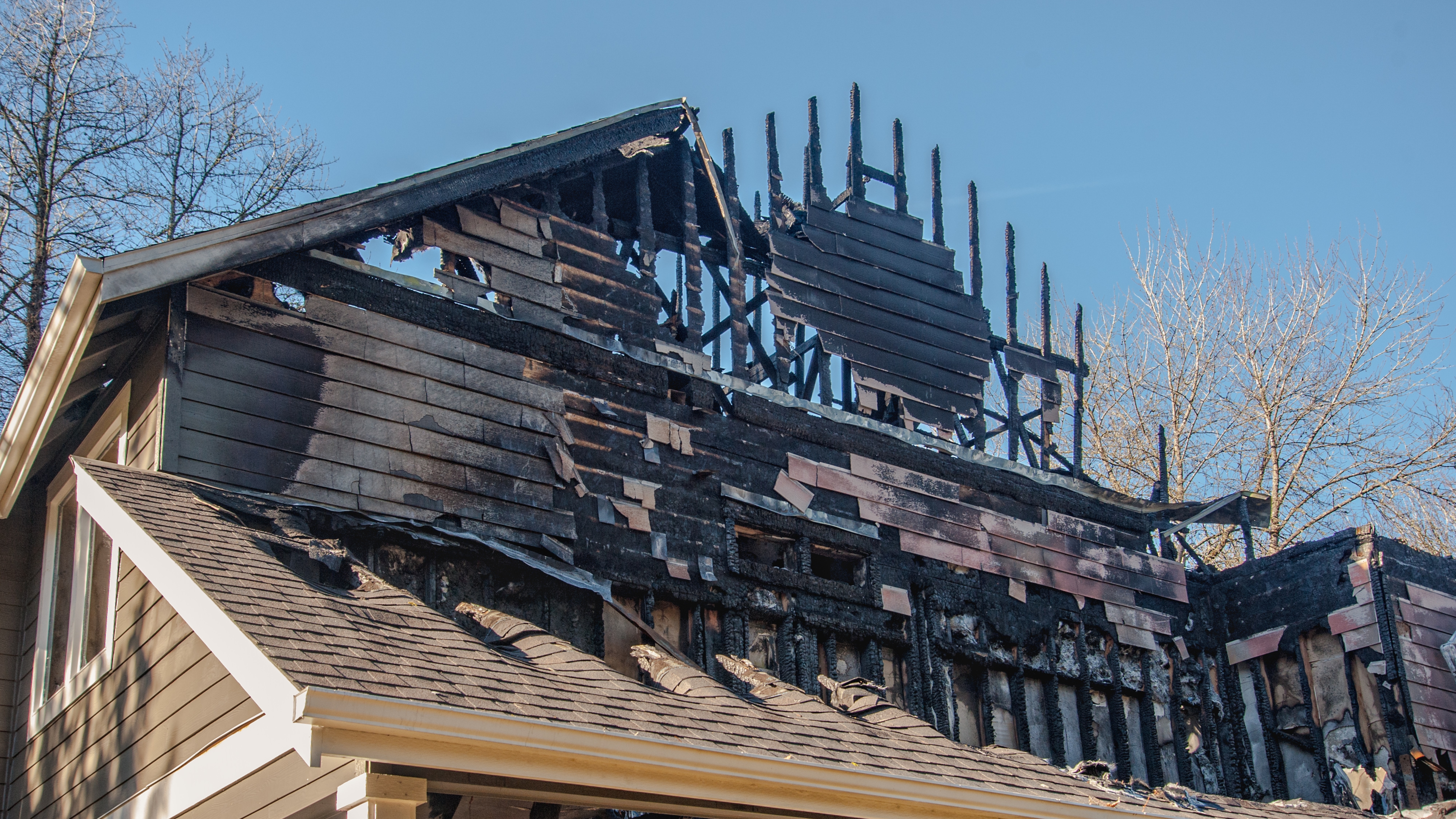
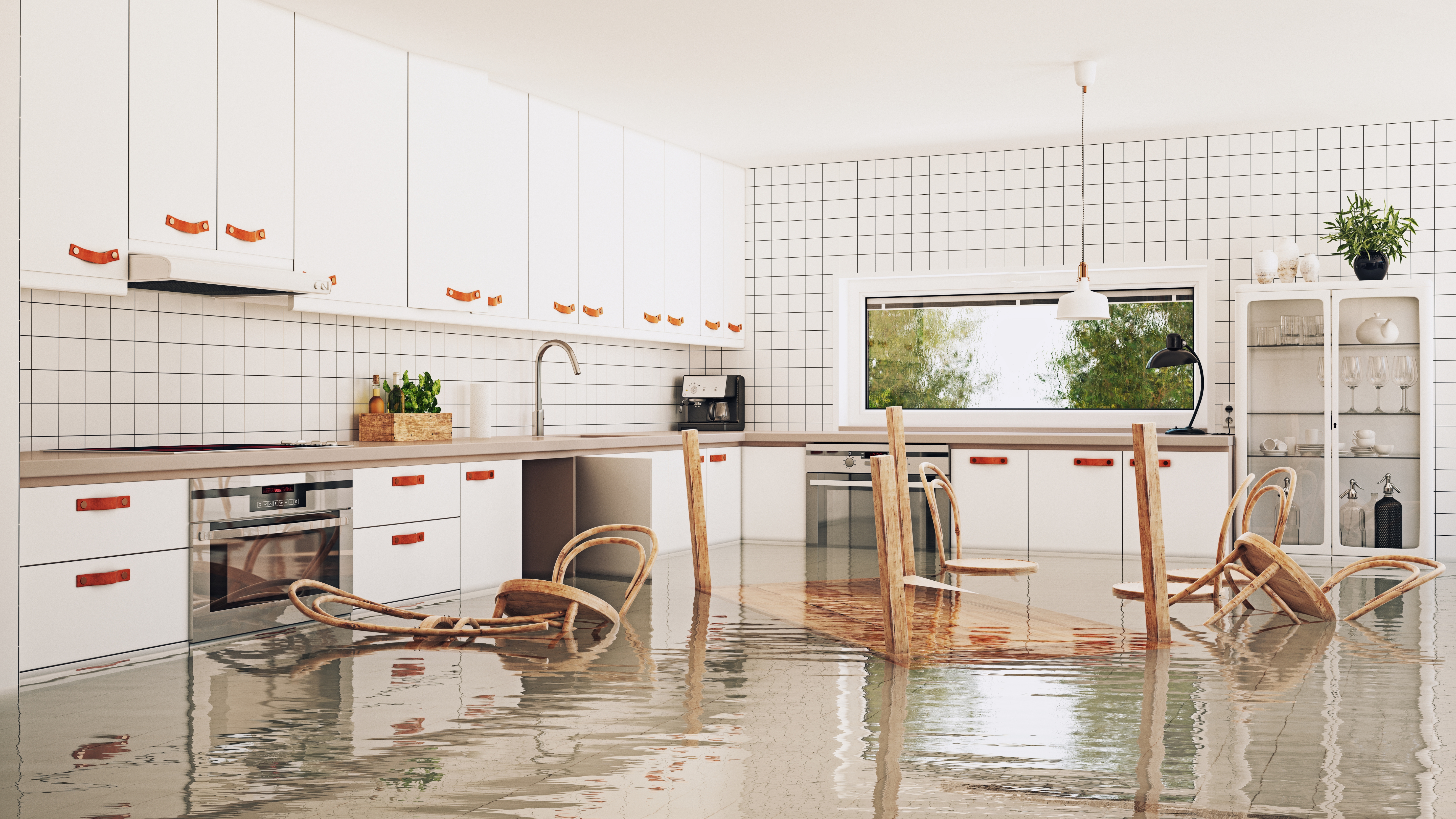
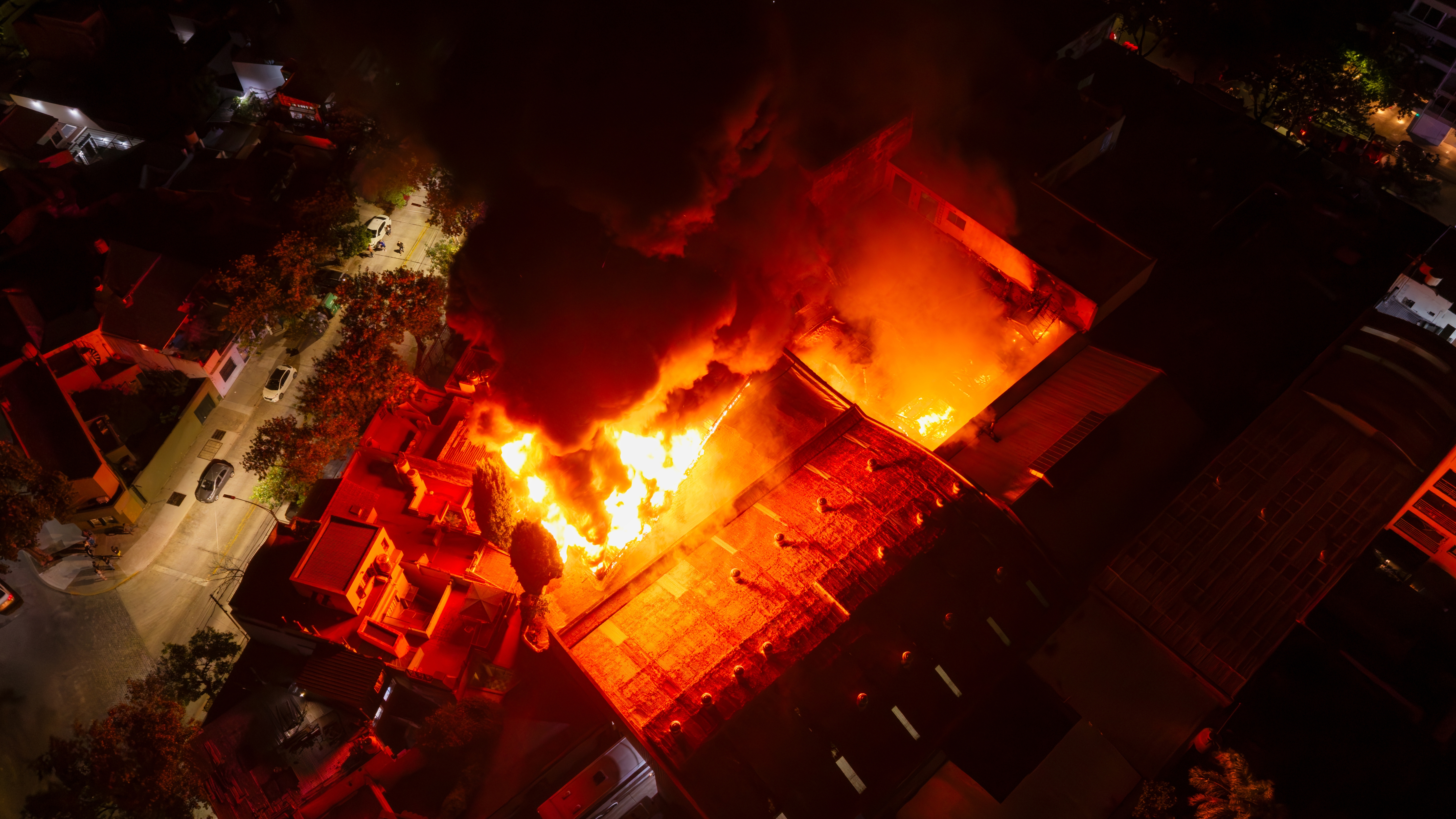
I’ve personally lost property due to flood, fire, tornado and water leaks.
Our staff knows what you’re going through and we’ll handle your claim as if it were our own. You and your contractors will know each step of the process. You will receive guidance and support that you need to get you back on your feet as quickly as possible.
Why Choose Metro Public Adjustment NV?
Select from our tailored options to protect your property.
Step by Step Guidance
We communicate each step so you are empowered to make confident decisions.
Help with Claims
Once you receive your insurance companies initial offer, we take over the claim and handle all insurer communications directl
No Cost to See
Ask about our No-Cost Claim Double Check so you can evaluate all your options
Why People Choose Us
Select from our tailored options to protect your property.
100% Free Consultation
More of what Metro does. That can often times help you identify a small problem and remedy it before it becomes a big one. And, best of all, it’s free!
When you submit a claim, you have to deal with a very experienced insurance company adjuster who is thoroughly trained in all aspects of minimizing your damage. Keep in mind that it is your responsibility to point out the damage, not the insurance company’s adjuster’s job. Insurance company adjusters minimize your damage by encouraging methods that save them money.
Metro Public Adjustment, Inc. leads the industry in helping property owners obtain a fair settlement from their insurance companies. Working with both residential and commercial property owners, Metro fights for your interests, working to obtain the maximum possible compensation for your property loss.a
We negotiate directly with your insurance so you don’t have to
Property Insurance Claim Advocacy From Public Adjusters
Our Mission: To Protect and Educate the Policy Holder
Property owners fed up with low returns on insurance claims now have an alternative….
Get Expert Advice on Property Insurance
Protect your home, rental, or business property with guidance from our experienced agents. We help you choose the right coverage to meet your unique needs.
Live Carefree with Protection
Enjoy peace of mind knowing your property, vehicle, and business are fully covered. Let us help you protect what matters most, so you can focus on what truly matters.
"I’ve used Metro Public Adjustment before. They consistently help me through the process, and help deal with the insurance company so I can focus on getting back to my life. I own and run my own business and just don’t know what the best tactics are to negotiate with the insurance company. Metro does and I can't thank them enough
Larry Miller
Henderson
"Got back $45,000 more than the original offer"
"Our condo of 32 years caught on fire. Our insurance company helped out, but it didn't feel like enough. After talking with Metro, they fought for us and got $44,897 more. Thank you Metro."
Betty and Mike T.
Las Vegas
"Expert Guidance"
"My store flooded and I needed help to get up and running as quickly as possible. Metro stepped in and pushed my insurance company for a fast payment to help get my business running again"
Brian F.
"Peace of Mind"
"I trust Metro Public Adjustment without a doubt. They made sure I had the right coverage for my rental units, giving me peace of mind. Since they don’t sell insurance, I could trust that they gave me the best choices to ask my insurance broker."
Sarah B.
"Best Experience"
"After the fire, my Insurance gave me the run around. While they helped in the beginning it seemed as though they weren’t really giving me a fair payout. I searched around and found Metro Public Adjustment who helped me through every step of getting my payout higher. It felt like they were really fighting for every dollar for me and my family."
Michael P.
Add your google review here
Google review questions
What product or service with we help you with today?
What problem were you facing before you gave us a call?
How do appliance and dryer vent fires cause extensive hidden smoke damage?
The Aftermath of Dryer Vent and Appliance Fires in Your Home
How do appliance and dryer vent fires cause extensive hidden smoke damage?
Post Description: A comprehensive guide on how small dryer vent and electrical appliance fires cause widespread synthetic soot, toxic residue, and invisible structural smoke contamination throughout homes—and why insurance companies routinely underpay these complex claims.
Key Takeaways:
Synthetic Smoke Is Corrosive: Burning plastics, synthetic fabrics, and appliance components leave acidic residues that corrode electronics, metal fixtures, and framing quickly in hot indoor environments.
Forced-Air Distribution: Running an HVAC system during or after a small fire forces microscopic soot deep into wall voids, attic insulation, and ductwork across the entire house.
Virtual Adjuster Traps: Desk adjusters assessing damage through smartphone photos will miss invisible odor signatures and sub-micron particulate distribution inside wall cavities.
Specialized Testing Is Mandatory: Proper recovery requires thermal fogging, HEPA air scrubbing, wipe samples, and complete duct restoration rather than simple surface wipe-downs.
When a "Small" Laundry Room Fire Turns into a Whole-Home Toxic Event
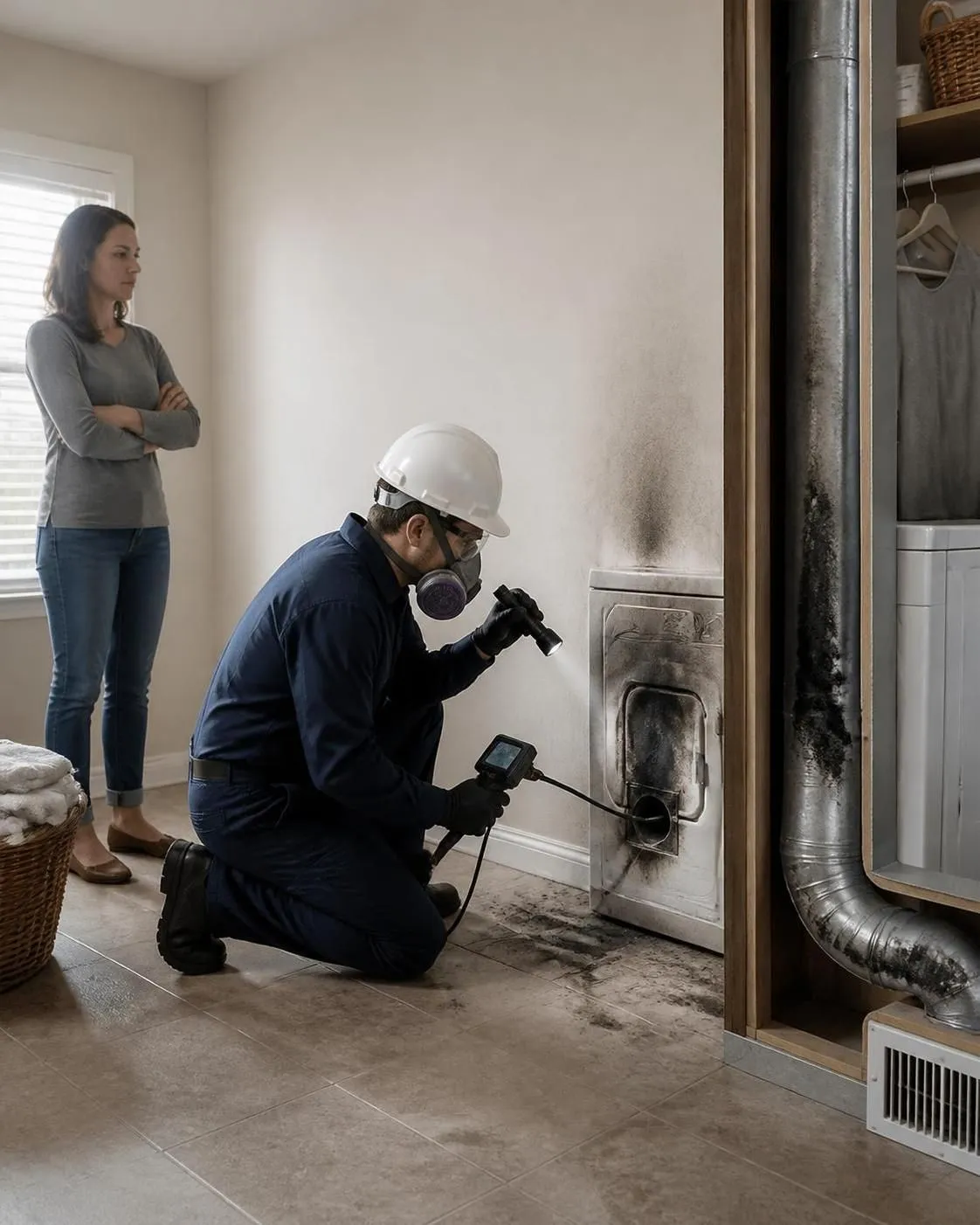
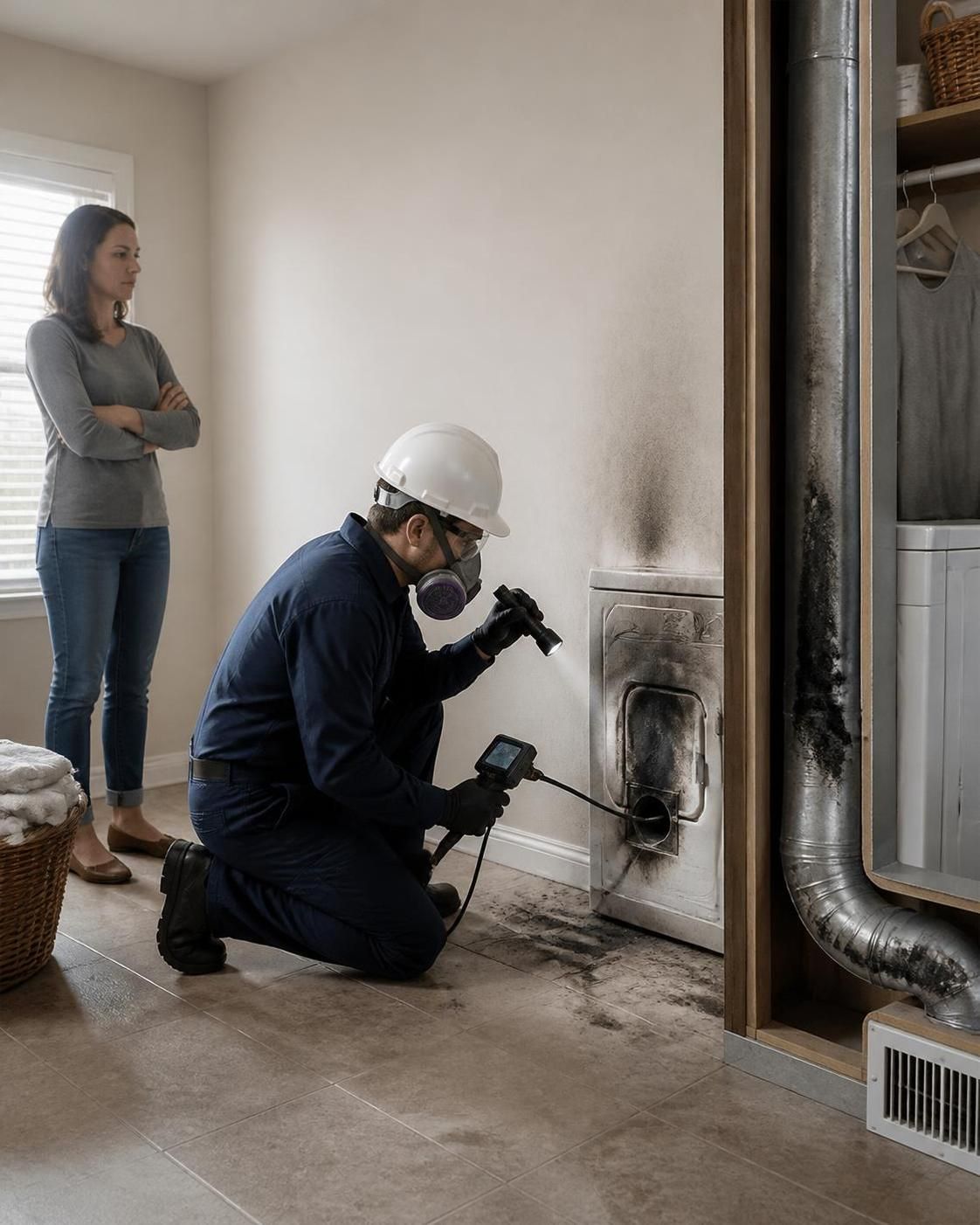
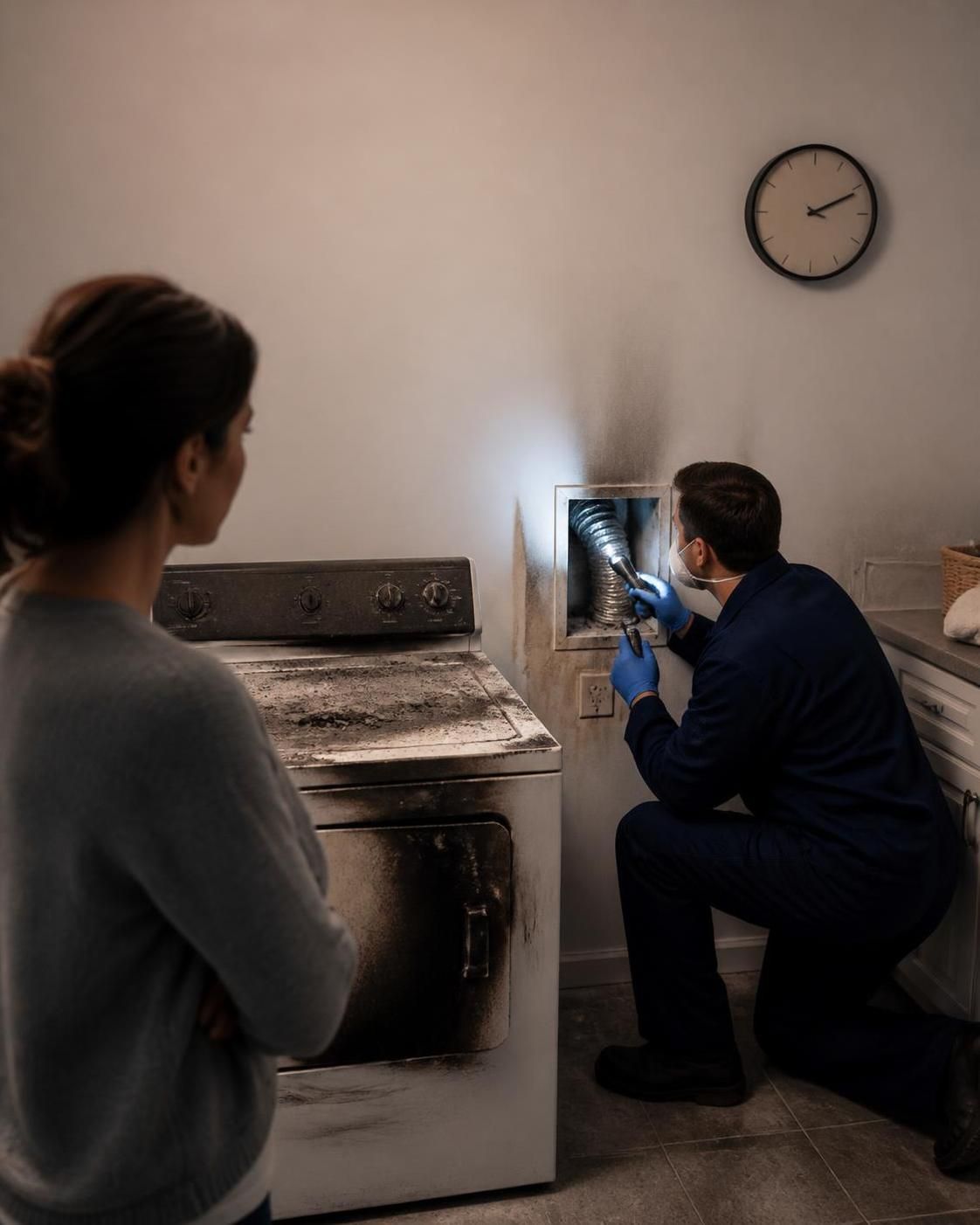
You hear the smoke detector chirping, sprint down the hallway, and slam open the laundry room door. Acrid, greyish-white smoke billows out. A heavy buildup of lint inside your clothes dryer duct caught fire, or maybe an aging dishwasher motor shorted out. You grab the household fire extinguisher, douse the flames within ninety seconds, and open a few windows to clear the air. The local fire department arrives, double-checks the immediate area with a thermal camera, knocks down a tiny section of drywall to confirm no lingering embers remain, and hands you an incident report.
At first glance, it feels like you dodged a bullet. The burned unit is ruined, and the drywall right behind it is scorched, but the rest of your home looks fine. You wipe down the countertop, throw out the charred appliance, and assume your insurance company will cover a couple thousand dollars for a new washer-dryer set and some fresh paint.
That assumption is where the real nightmare begins for homeowners everywhere. In dry indoor climates, small appliance and lint fires don't just burn wood and cotton—they melt polymers, nylon exhaust pipes, control boards, synthetic clothing, and rubber seals. That process releases a heavy, oily, synthetic soot that behaves aggressively. Driven by internal heat pressure and forced-air air conditioning units, these sub-micron toxic particles infiltrate areas you cannot see from the hallway.
The Chemistry of Synthetic Soot in Residential Environments
Natural wood fires leave behind dry ash and charcoal carbon particles that are relatively straightforward to clean. Appliance fires, on the other hand, produce synthetic soot. Modern home appliances are packed with chlorinated plastics, polyvinyl chloride (PVC) wire insulation, flame-retardant casings, and synthetic rubber hoses. When these materials combust without enough oxygen, they off-gas complex hydrocarbon compounds.
This chemical mix forms a greasy, sticky film that binds to every cooler surface it touches. In a typical home, where indoor temperatures are strictly controlled by HVAC systems while outdoor temperatures fluctuate, temperature differentials pull these fine smoke particles into enclosed wall voids, attic insulation, and duct networks. Because humidity levels in dry indoor environments can be low, static charges on dry surfaces attract microscopic soot like a magnet.
Synthetic soot is highly acidic. Within 24 to 48 hours of a minor fire, acidic film starts pitting chrome fixtures, staining quartz countertops, yellowing porcelain sinks, and corroding delicate circuit boards in electronics located three rooms away from the fire origin. If you simply wipe down walls with household cleaner, you leave active acidic compounds in place to degrade your home's finishes over the next six months.
How Forced-Air HVAC Systems Spread Hidden Contamination
The biggest culprit in spreading fire damage from a small laundry room or kitchen appliance flare-up is your home's climate control system. Most modern residences rely on high-capacity forced-air systems. If your air conditioner or heater turns on during or right after an appliance fire, the return air ducts instantly draw toxic smoke into the central air handler.
Once inside the air handler, the blower fan acts as an aerosol atomizer, blasting fine particulates through flexible ductwork into every single room. Even if the fire was confined to a five-square-foot footprint in your laundry room, your master bedroom, nursery, and kitchen ceiling vents will blow micro-fine soot across your furniture, mattress fabrics, and window treatments.
Furthermore, flexible ductwork used in modern residential construction features corrugated inner liners. Soot settles into these ridges alongside existing dust buildup. Every time the air conditioning kicks on, it recirculates volatile organic compounds (VOCs) and burnt plastic odors. Simply running a duct cleaning brush through these flex ducts often tears the internal liner or fails to pull out oily synthetic residues, requiring full duct replacement to restore healthy indoor air quality.
The Wall Void and Attic Trap
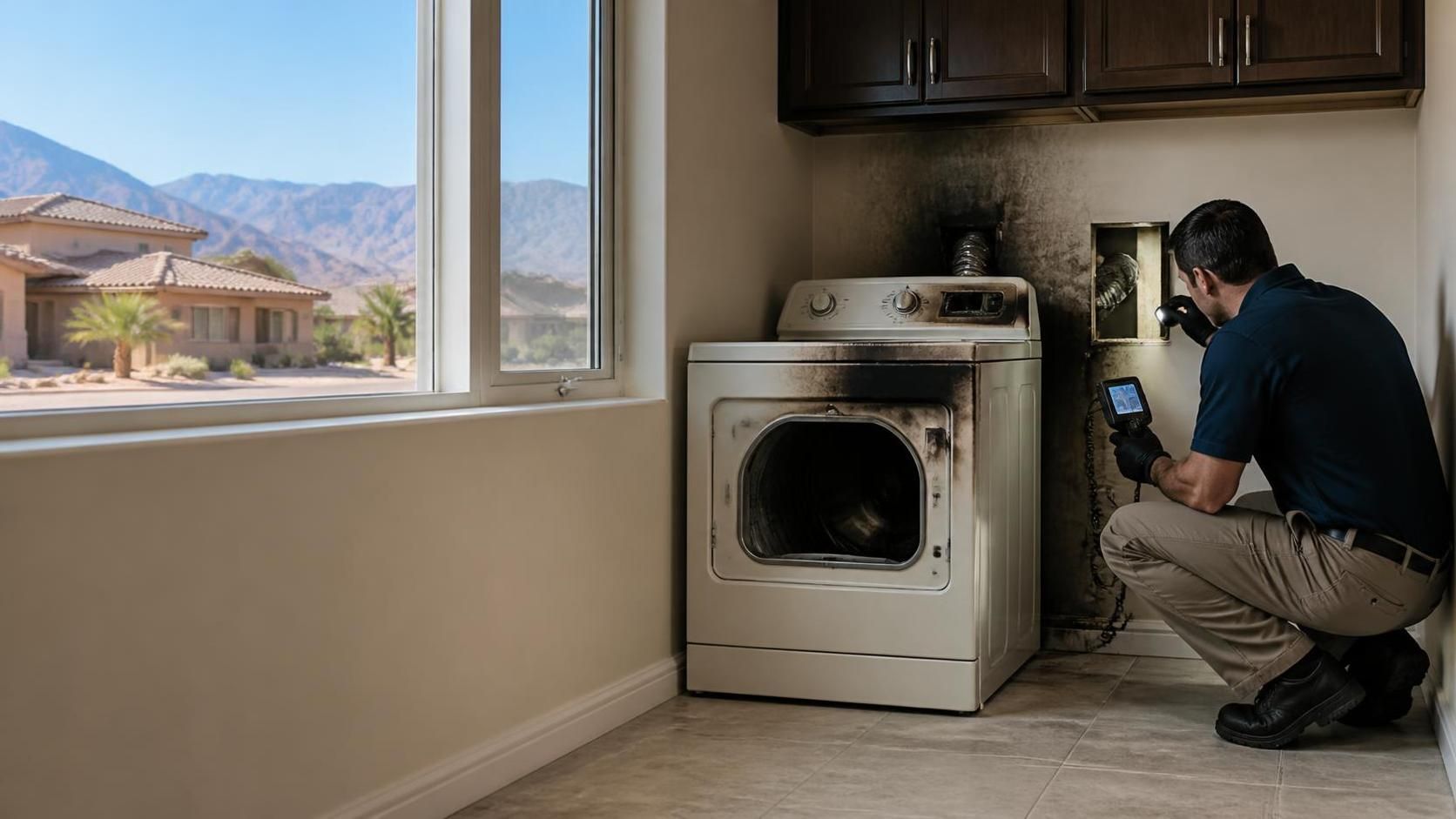
Dryer vent lines frequently run through interior framing, subfloors, or straight up into blown-in fiberglass or cellulose attic insulation. When a vent line disconnects or ruptures due to intense heat during a fire, smoke and lint embers shoot directly into the building's hidden envelope.
Attic spaces in homes act like giant heat traps. Temperatures in an attic easily top 140°F in summer months. High ambient heat bakes smoke residue into structural trusses, roof sheathing, and insulation. Blown-in insulation acts like a giant sponge, trapping toxic particulates. Over time, as ambient air pressure changes throughout the day, those trapped smoke odors filter down through electrical outlets, recessed lighting cans, and ceiling joints back into your living space.
Why Virtual Adjustments and Fast Settlement Offers Fall Short
When you file an insurance claim for an appliance fire, your carrier might assign a desk adjuster who asks you to take a few photos on your phone or join a quick video call. Virtual claims processing has become popular because it saves insurance companies time and money, but it creates immense financial risk for policyholders dealing with smoke damage.
A camera phone cannot smell acrid synthetic soot behind a drywall sheet. It cannot detect sub-micron particulate distribution inside an HVAC return box, nor can it evaluate chemical pitting on window frames. When adjusters look at photos of a small charred wall, they write estimates for surface paint and minor cleaning. They rarely include necessary line items like thermal fogging, HEPA air scrubbing, structural sealing, thermal imaging inspections, surface wipe sampling, or total duct replacement.
If you want to understand why relying on remote photos for complex fire claims leads to denied coverage, read our detailed analysis on the risks of virtual claim adjustments.
Proper Remediation Protocols for Home Fire Loss
Restoring a home after an appliance fire requires a strict scientific approach. To properly clean soot and eliminate odors without causing secondary damage, professional remediation teams must execute several key phases:
1. Surface Testing & Chemical Analysis: Taking wipe samples to identify whether soot is dry, oily, or corrosive, establishing the exact boundaries of contamination.
2. Negative Air Containment: Setting up plastic barriers and commercial HEPA air scrubbers to trap airborne particles and prevent cross-contamination while work is performed.
3. HVAC Isolation & Restoration: Sealing off register vents, deep cleaning air handlers, and replacing contaminated ductwork when cleaning cannot guarantee air quality standards.
4. Thermal Fogging & Hydroxyl Treatment: Deploying solvent-based deodorizers that match the particle size of smoke to neutralize odor molecules deep inside wall cavities and structural timber.
5. Structural Sealing: Applying specialized pigmented shellac odor-blocking primers to exposed framing before installing new drywall.
How Metro Public Adjustment Battles for Your Full Settlement
Insurance companies employ staff adjusters and third-party engineers whose primary goal is controlling claim payouts. When they inspect an appliance fire loss, they often classify extensive smoke damage as "minor cosmetic staining" or claim that smoke smells will fade over time with simple ventilation. They count on homeowners not knowing the difference between surface cleaning and structural restoration.
As licensed public adjusters, Metro Public Adjustment works exclusively for you—the policyholder—never the insurance carrier. We step onto your property, conduct rigorous physical inspections, document hidden smoke pathways, and write line-by-line Xactimate estimates that reflect the true cost of rebuilding your home to pre-loss condition.
Did a small appliance fire lead to widespread smoke damage that your carrier won't cover? If you've been denied or shortchanged, give us a call—we battle your insurance company for you.
Think a minor dryer vent or appliance fire only damaged your laundry room? Think again. 🚨🔥
In modern homes, small electrical or lint fires melt synthetic plastics and rubbers, releasing highly acidic micro-particles. When your HVAC system kicks on, it acts as a distribution pump, blasting oily soot deep into your wall voids, attic insulation, and ductwork across the entire house.
Worse yet, insurance companies love using remote "virtual adjustments" via phone photos to handle these claims. A smartphone camera can't detect hidden odor signatures or sub-micron soot deposits, leaving you with thousands in unpaid structural damage.
If your insurance carrier is offering a lowball settlement after a smoke loss, don't sign away your rights. Metro Public Adjustment fights the insurance companies to make sure every inch of your home is properly tested, remediated, and rebuilt.
Question: How often should dryer vents be cleaned to prevent fires?
Answer: Dryer vents should be professionally inspected and cleaned at least once a year. Households with large families or heavy laundry usage may require cleaning every 6 months to prevent dangerous lint buildup.
Estimated Searches per Month: 14,800
Question: What are the warning signs of a clogged dryer vent?
Answer: Common signs include clothes taking longer than one cycle to dry, the exterior of the dryer getting excessively hot during operation, a burning odor in the laundry room, and lint accumulating around the outside vent hood.
Estimated Searches per Month: 9,900
Question: Does home insurance cover smoke damage from an appliance fire?
Answer: Yes, standard homeowners insurance policies typically cover sudden and accidental fire and smoke damage caused by electrical or appliance malfunctions, including required remediation and structural repairs.
Estimated Searches per Month: 6,600
Question: How do you remove synthetic smoke odor from a house?
Answer: Synthetic smoke odor requires professional restoration techniques such as thermal fogging, hydroxyl generators, HEPA air scrubbing, deep HVAC duct cleaning, and applying specialized odor-blocking primers to structural framing.
Estimated Searches per Month: 5,400
Question: What is the difference between dry soot and oily synthetic soot?
Answer: Dry soot comes from high-temperature wood or paper fires and is easier to clean. Oily synthetic soot comes from burning plastics, rubber, or synthetic fabrics at low heat, creating a sticky, acidic residue that smears easily and corrodes household materials.
Estimated Searches per Month: 4,100
Question: What does a public adjuster do for fire damage claims?
Answer: A public adjuster works independently on behalf of the policyholder to inspect property loss, document hidden structural damage, prepare detailed repair estimates, and negotiate directly with the insurance carrier for a fair settlement.
Estimated Searches per Month: 8,100
Question: Can running the HVAC after a fire spread smoke damage?
Answer: Yes, running an HVAC system during or after a fire draws soot particulates into return ducts and circulates microscopic smoke residue throughout every room in the home, significantly expanding the scope of contamination.
Estimated Searches per Month: 3,200
Question: Why do virtual insurance claim adjustments miss fire damage?
Answer: Virtual claim inspections rely on smartphone photos or video calls, which cannot detect embedded odors, acidic particulate residues inside wall cavities, hidden duct contamination, or microscopic soot distribution.
Estimated Searches per Month: 2,700
Question: What causes electric dryer fires?
Answer: Electric dryer fires are most commonly caused by lint accumulation within the dryer drum or exhaust duct, restricted airflow, failing thermostat or heating elements, and damaged electrical wiring.
Estimated Searches per Month: 12,100
Question: How long does smoke restoration take after a house fire?
Answer: Smoke restoration timelines vary by severity; minor surface cleanup may take a few days, while full structural remediation, duct replacement, and odor neutralization typically require 1 to 3 weeks.
Estimated Searches per Month: 7,400
Scroll-Stopping Facebook Posts
Post 1
You thought putting out the flames meant the danger was over. 🚨
That 2-minute dryer vent fire seemed like a minor scare. You cleaned the scorched drywall, tossed the ruined machine, and aired out the room. But behind your walls, synthetic soot was already quietly destroying your home.
Unlike natural wood ash, burning appliance plastics and synthetic fabrics release acidic micro-particles. The moment your air conditioner kicked back on, it pulled those invisible toxins through your HVAC ducts, dusting every mattress, nursery closet, and wall cavity across your entire house.
Weeks later, a strange chemical smell lingers. Your throat feels scratchy. Your insurance company offers a quick check for surface cleaning and tells you it's all fine. But surface cleaning doesn't reach inside your ductwork or wall voids.
Don't let insurance desk adjusters write off your family's health with a quick virtual assessment.
Have you ever dealt with lingering smoke smells long after a fire was put out? Let's talk about it in the comments below. 👇
The most dangerous part of an appliance fire isn't the fire itself. It's what happens in the 48 hours after. ⚠️
The most dangerous part of an appliance fire isn't the fire itself. It's what happens in the 48 hours *after*. ⚠️ When a dishwasher motor shorts out or lint ignites, synthetic rubber seals and circuit boards melt under low heat. This generates sticky, highly acidic soot that clings to everything it touches. Within days, this invisible acidic film begins pitting metallic fixtures, yellowing sinks, and corroding sensitive electronics in rooms far away from where the fire started. Wipe down the counter all you want—the chemical reaction on your home's finishes has already begun. When adjusters glance at photos on a smartphone screen, they miss the invisible destruction entirely. They see a small patch of soot; we see thousands of dollars in hidden structural damage. Did your insurance adjuster actually step inside your home, or did they just ask for photos? Share your experience below! 💬
When a dishwasher motor shorts out or lint ignites, synthetic rubber seals and circuit boards melt under low heat. This generates sticky, highly acidic soot that clings to everything it touches.
Within days, this invisible acidic film begins pitting metallic fixtures, yellowing sinks, and corroding sensitive electronics in rooms far away from where the fire started. Wipe down the counter all you want—the chemical reaction on your home's finishes has already begun.
When adjusters glance at photos on a smartphone screen, they miss the invisible destruction entirely. They see a small patch of soot; we see thousands of dollars in hidden structural damage.
Did your insurance adjuster actually step inside your home, or did they just ask for photos? Share your experience below! 💬
Stop trusting smartphone photos to assess your home's fire damage. 🛑📱
After a minor laundry room fire, your insurance company might ask for a quick video call or a few snapshot photos. It feels convenient—until you realize what a camera lens CANNOT see.
A camera cannot detect acrid synthetic chemical odors trapped behind drywall.
It cannot feel the greasy, sticky soot coating the inside of your air return boxes.
It cannot see the sub-micron particles sitting deep within your attic insulation.
Virtual claims adjusters exist to keep claim payouts low and fast. They leave you with a couple hundred dollars for paint while leaving behind tens of thousands in structural contamination.
Has an insurance company ever lowballed your claim using remote photos? Drop your story in the comments! 👇
Stop trusting smartphone photos to assess your home's fire damage. 🛑📱 After a minor laundry room fire, your insurance company might ask for a quick video call or a few snapshot photos. It feels convenient—until you realize what a camera lens CANNOT see. A camera cannot detect acrid synthetic chemical odors trapped behind drywall. It cannot feel the greasy, sticky soot coating the inside of your air return boxes. It cannot see the sub-micron particles sitting deep within your attic insulation. Virtual claims adjusters exist to keep claim payouts low and fast. They leave you with a couple hundred dollars for paint while leaving behind tens of thousands in structural contamination. Has an insurance company ever lowballed your claim using remote photos? Drop your story in the comments! 👇
Post 4
Your HVAC system might be turning your home into a toxic recirculation chamber. 🌀🔥
When a small electrical fire breaks out in the kitchen or laundry room, our instinct is to keep the climate control running. But your air handler acts as a super-spreader for toxic soot.
The moment smoky air enters the return vent, the powerful blower fan atomizes fine synthetic soot and blasts it into every bedroom, bathroom, and closet. Flex ducts trap these volatile compounds inside their corrugated ridges, releasing burnt plastic odors every time the system turns on.
A standard duct cleaning won't fix this—it often requires total duct replacement and specialized thermal fogging to make your home truly safe again.
Did you know your HVAC system could spread smoke damage so far? What's your biggest home safety worry? Comment below! 👇
A lint trap is not enough. Here is the hidden home hazard almost every family ignores. 🧺🔥 Flammable lint builds up inside dryer units and exhaust ducts, creating severe fire risks. When airflow is restricted, temperatures spike and heating elements can ignite lint instantly. Even brief fires spread corrosive soot from melted plastics throughout the house. When was the last time you checked or cleaned your home's external dryer exhaust duct? Be honest in the comments! 👇
Post 5
Why does your house still smell like smoke months after a tiny dryer fire? 🧵💨
Here's the hidden truth most insurance companies won't tell you: dryer vent pipes run through wall framing, ceiling spaces, and attic insulation. When intense heat ruptures a vent line, smoke and burning lint shoot directly into your house's structural envelope.
Attics heat up drastically during warm months. That high ambient heat bakes synthetic soot directly into structural roof trusses and sheathing. Blown-in insulation absorbs these particles like a massive sponge, slowly off-gassing toxic fumes back into your living space every day.
Slapping fresh paint over stained drywall won't seal out structural odors. You need deep remediation and proper structural sealing.
What's a hidden home repair issue you discovered only after it was too late? Tell us in the comments! 👇
"It's just minor cosmetic damage." That's the lie insurance adjusters tell policyholders every single day. 💔
When an aging appliance ignites, your insurance carrier's goal is simple: minimize the payout. They will look at yellowed walls or dusty surfaces and call it "simple staining" that a wet cloth and cheap primer can fix.
What they don't tell you is that synthetic soot is chemically acidic. Over time, it destroys finishes, ruins electronic circuit boards, and permanently embeds toxins into your drywall.
You pay your insurance premiums on time every month so your home is protected when disaster strikes. Don't settle for a settlement that covers only 10% of what your recovery actually costs.
Have you ever felt like your insurance company was fighting against you instead of helping you? Share your experience below. 👇
A lint trap is not enough. Here is the hidden home hazard almost every family ignores. 🧺🔥
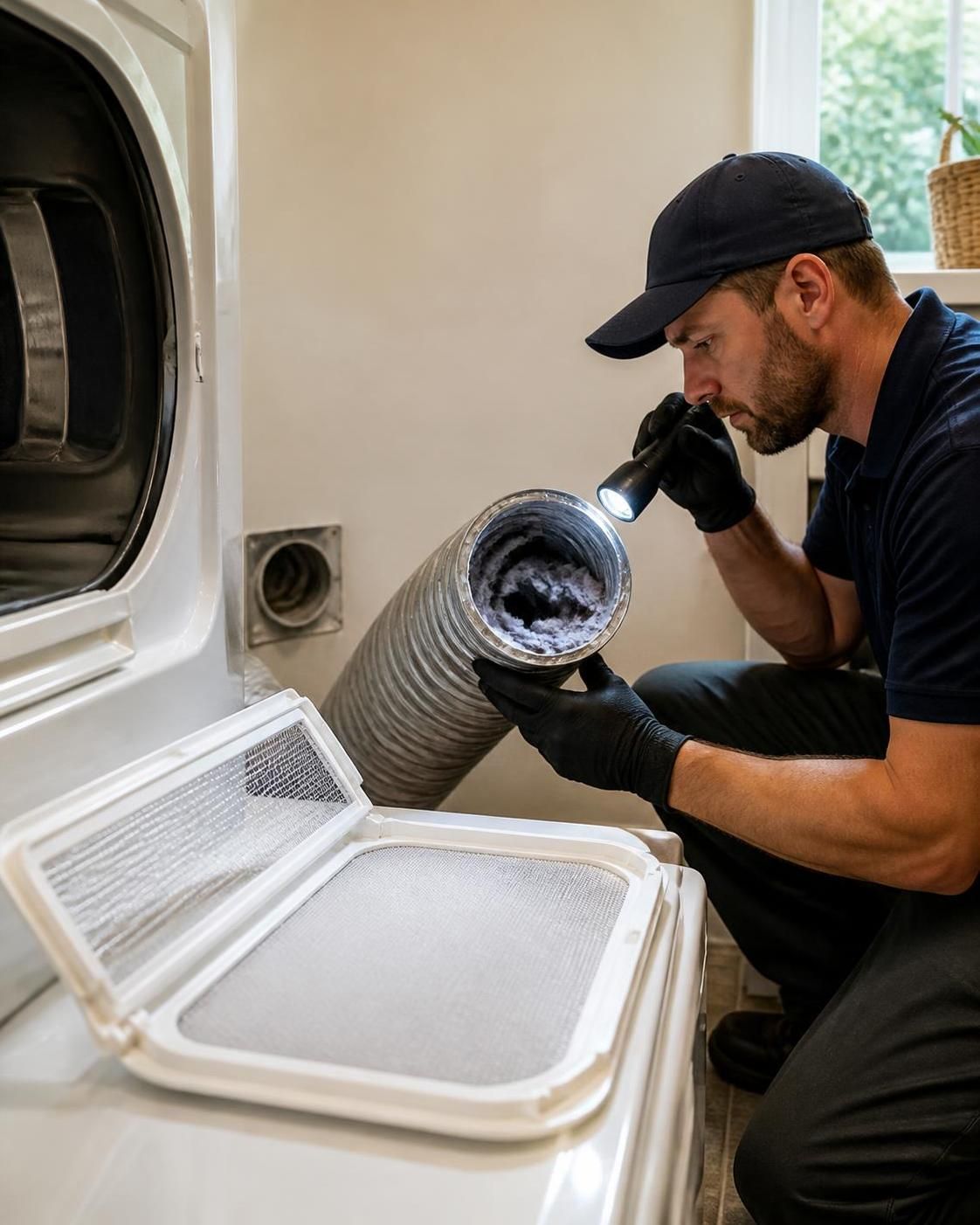
We all clean the lint filter before throwing in a load of towels. But inside your dryer unit and deep within the exhaust duct, highly flammable lint builds up silently over time.
When airflow gets restricted, internal temperatures spike. A single spark from a heating element can ignite an immediate, intense fire. Even if you extinguish the flames within seconds, the melted plastic casings and synthetic fabric fumes will spread corrosive soot across your home.
Annual professional vent inspections are mandatory if you want to keep your family and home safe from sudden appliance fires.
When was the last time you checked or cleaned your home's external dryer exhaust duct? Be honest in the comments! 👇
What really happens during professional smoke remediation? (Hint: It's way more than sponge wipes). 🧼🔬
If an insurance company offers you a small check for cleaning supplies after a small fire, stop right there. Proper fire recovery is a rigorous scientific process:
1️⃣ Wipe Sampling: Testing surfaces to determine if soot is dry carbon or corrosive synthetic oil.
2️⃣ Negative Air Containment: Using industrial HEPA scrubbers to keep airborne toxins from spreading.
3️⃣ Thermal Fogging: Neutralizing odors deep inside wall cavities with atomized solvent fogs.
4️⃣ Structural Sealing: Coating framing with specialized odor-blocking shellac primers.
Anything less leaves active chemical compounds in your walls to degrade your home for years.
Did your restoration team take these steps after your property loss? Drop a comment below! 💬
Who is actually standing in your corner when disaster strikes? 🛡️
After a small appliance or dryer fire, the insurance company sends their staff adjuster. Their job is to evaluate damage with the carrier's bottom line in mind.
A Licensed Public Adjuster works exclusively for YOU, the policyholder. We step onto your property, conduct deep physical inspections, document microscopic soot channels in wall voids, and negotiate aggressively to ensure you receive every dollar required to rebuild your home.
Never navigate a complex property damage claim alone when the deck is stacked against you.
Have you ever worked with a public adjuster to fight a denied or shortchanged claim? Tell us how it went in the comments! 👇
Don't sign away your rights after a smoke loss until you read this! 🚨📝
Insurance companies love offering fast, lowball settlement checks right after a fire. They count on homeowners feeling relieved that the immediate crisis is over, hoping they will deposit the check before discovering the hidden damage inside walls, ducts, and attics.
Once you sign that final release, getting additional compensation for lingering odors or corroded electronics becomes an uphill battle.
Before accepting any offer, get a comprehensive physical inspection and wipe testing performed by experts who represent your interests.
Have you ever accepted an insurance check only to discover more damage later on? Share your story below to help protect other homeowners! 👇