What to Do After a House Fire
What to Do After a House Fire
Protect Yourself from Lowball Insurance Claim Payouts
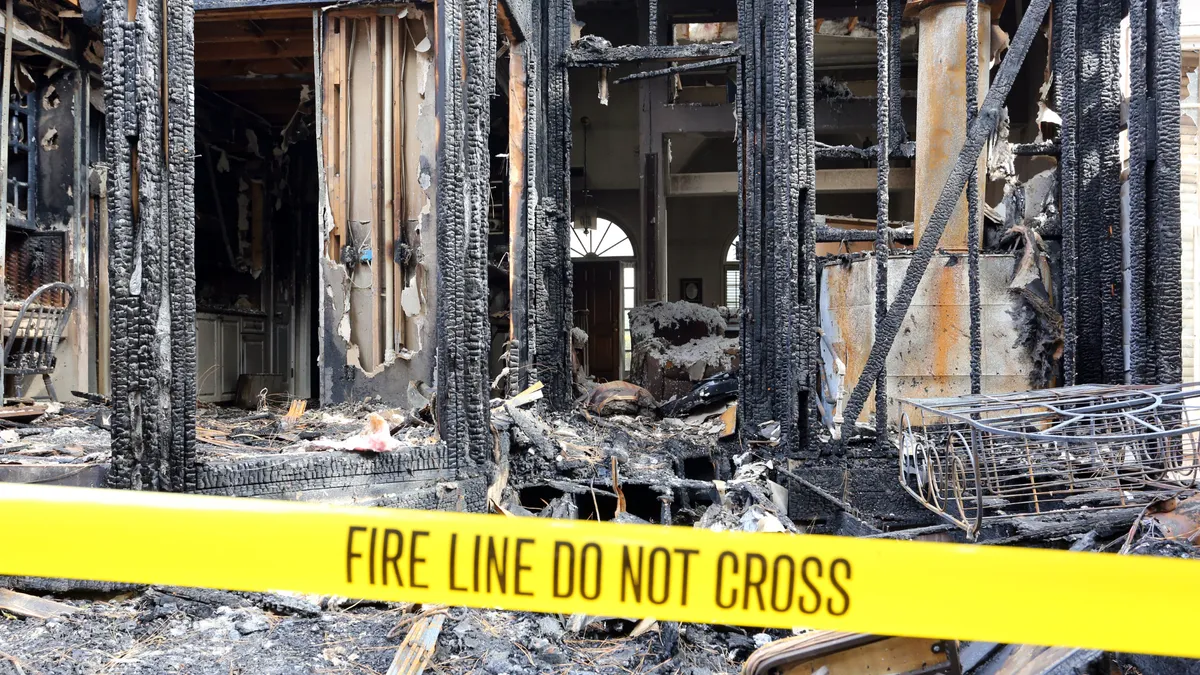
A home fire is one of the most overwhelming events a homeowner can experience. Beyond the initial shock and emotional strain, property owners face an urgent set of legal, safety, and financial decisions. Knowing the exact steps to take immediately following a fire can preserve your health, protect your property from secondary loss, and ensure you secure every dollar you are entitled to under your homeowner policy.
"I lost a house to a fire years ago and felt like the insurance company short shanged me on the pay out. once I found out how much it would be to rebuild, I knew it."
Immediate Actions to Take After a House Fire
1. Get Official Clearance Before Entry. Never enter a fire-damaged structure until the Fire Department or local fire officials formally declare it safe. Hidden structural damage, toxic soot residue, and lingering fumes pose severe health and safety hazards.
2. Keep Your Fire Incident Report Number. Request your official report number from the responding fire authority. Insurance carriers require this documentation to open and process your property loss claim.
3. Request Immediate Additional Living Expenses (ALE) Funds Your insurance carrier should provide emergency advances under your policy’s Additional Living Expenses coverage. ALE pays for temporary housing, meals, clothing, and essential daily supplies while your residence is uninhabitable.
4. Arrange Emergency Board-Up and Roof Tarping Homeowners have a contractual duty under Nevada insurance policies to mitigate further damage. Securing broken windows and compromised roofs protects your structure against weather elements and unauthorized entry.
5. Consult a Nevada-Licensed Public Adjuster Before Giving Statements Before providing recorded statements or agreeing to initial settlement figures with insurance company adjusters, consult an independent advocate licensed under Nevada Revised Statutes (NRS 684A).
The Hidden Risk of Unlicensed Adjusters and Illegal Contracting
Following a major disaster, out-of-state "storm chasers," unlicensed public adjusters, and restoration contractors often contact affected homeowners. Under Nevada law (NRS 684A), representing a policyholder in an insurance negotiation without a valid public adjuster license issued by the Nevada Division of Insurance is illegal.
When an unlicensed individual or contractor handles your claim, several risks arise:
Claim Denials and Delays: Submissions from unlicensed representatives can invalidate policy rights or cause significant administrative delays.
Conflicts of Interest: Unlicensed contractors often push for quick insurance payouts that favor their scope of restoration work rather than evaluating the total, detailed rebuild cost of your property.
Lack of Legal Accountability: Unlicensed adjusters do not carry required surety bonds or follow Nevada insurance regulations, leaving homeowners with no regulatory recourse if errors occur.
5 Reasons to Hire a Licensed Nevada Public Adjuster
1. Independent Representation Exclusively for Policyholders Company adjusters represent the insurer's interests. A licensed public adjuster works solely for you to document every detail of your loss.
2. Comprehensive Loss Scoping and Estimation Public adjusters complete thorough line-item estimates covering structural repairs, personal property valuation, smoke/soot remediation, and full ALE tracking.
3. Mastery of Nevada Insurance Statutes (NRS 684A) Licensed professionals understand state regulatory standards, policy conditions, and strict filing deadlines required across Clark County.
4. Maximized Financial Recovery Independent studies show that policyholders using licensed public adjusters receive significantly higher settlement payouts compared to accepting initial carrier estimates.
5. Stress Reduction and Complete Claim Management From handling paperwork to attending carrier inspections, your adjuster manages the process, allowing your family to focus on personal recovery.
Consequences of Failing to Secure Proper Representation
Attempting to manage a complex fire claim alone or relying on carrier-appointed adjusters often leads to underpaid claims. Common consequences include missing hidden smoke and water damage behind drywall, failing to claim full content replacement values, and running out of temporary living assistance funds prematurely.
Social Media Post
🔥 Suffered a house fire in Clark County, Nevada? The choices you make in the first 24 hours determine your insurance recovery.
Here are 5 critical steps to protect your property and claim:
Get official clearance before entering.
Get your Fire Incident Report number.
Request immediate emergency ALE funds for housing.
Order emergency board-up and roof tarping.
Consult a licensed Nevada Public Adjuster (NRS 684A) BEFORE giving statements.
⚠️ Beware of unlicensed adjusters and contractor traps that jeopardize your payout.
📖 Read our full Nevada Fire Loss Guide: https://metropanevada.com/blog-253306/b/nevada-public-adjuster-insurance-claims
📞 Need immediate assistance? Call (408) 479-2427 or visit MetroPANevada.com for a Free Claim Double Check.
#LasVegasFire #ClarkCounty #NevadaPublicAdjuster #InsuranceClaim #FireDamage #NRS684A #MetroPANevada
Get Expert Help with Your Fire Claim
Recovering from a house fire should not mean fighting your insurance company alone. Metro Public Adjustment advocates directly on your behalf to secure proper living expenses and full property repair funding.
Contact Us Today:
Phone: (408) 479-2427
Email: [email protected]
Website: MetroPANevada.com
Claim Check: Request a Free Claim Double Check
10 Frequently Asked Search Questions
1. Question: Can a restoration company negotiate my insurance claim in Nevada?
Answer: No. Under Nevada Revised Statutes (NRS 684A), it is illegal for contractors or restoration companies to negotiate insurance claims on behalf of policyholders unless they hold a valid Nevada Public Adjuster license.
Search Volume: ~1,900 searches/month2. Question: What is the difference between a public adjuster and a restoration contractor?
Answer: A public adjuster is a licensed advocate who evaluates, scopes, and negotiates the financial payout of your insurance claim strictly for you. A restoration contractor performs physical cleanup and repairs, and cannot legally represent you in policy or financial negotiations.
Search Volume: ~2,400 searches/month3. Question: Why should I hire a licensed public adjuster after a house fire?
Answer: A licensed public adjuster conducts a complete line-item loss appraisal, ensures compliance with Nevada insurance laws, manages carrier inspections, and works to maximize your policy settlement while protecting you against claim underpayment.
Search Volume: ~1,600 searches/month4. Question: What happens if an unlicensed person negotiates my insurance claim?
Answer: Using an unlicensed representative can cause severe claim delays or denials, create severe conflicts of interest, leave major damage uncompensated, and deprive you of legal recourse under state insurance regulations.
Search Volume: ~1,100 searches/month5. Question: Does insurance pay for temporary housing after a house fire in Las Vegas?
Answer: Yes. Additional Living Expenses (ALE) coverage within your homeowner policy pays for temporary housing, hotel stays, meals, clothing, and daily essentials while your primary residence is uninhabitable.
Search Volume: ~2,900 searches/month6. Question: How much does a public adjuster cost in Nevada?
Answer: Public adjusters work on a contingency basis, taking a small percentage of the total claim payout they recover for you. In Nevada, public adjusters are licensed and regulated under NRS 684A by the Division of Insurance.
Search Volume: ~1,300 searches/month7. Question: How do I verify if a public adjuster is licensed in Nevada?
Answer: You can verify credentials through the Nevada Division of Insurance online license lookup portal or ask the adjuster directly for their Nevada license number before signing any agreement.
Search Volume: ~880 searches/month8. Question: What is a Fire Incident Report and why is it required?
Answer: A Fire Incident Report is the official document issued by the local responding authority (e.g., Clark County Fire Department). Insurance companies require the report number to formally open and process your property loss claim.
Search Volume: ~1,400 searches/month9. Question: Can my insurance company force me to use their preferred contractor?
Answer: No. As a homeowner, you have the right to choose your own licensed contractors for repairs and hire an independent public adjuster to negotiate your full scope of loss.
Search Volume: ~2,100 searches/month
10. Question: How long do I have to file an insurance claim after a fire in Nevada?
Answer: Homeowner policies require prompt reporting of fire damage. Contacting a licensed public adjuster immediately ensures all contractual duties, proof-of-loss filings, and mitigation steps are fulfilled properly.
Search Volume: ~1,200 searches/month
