Emergency Board-Up and Roof Tarping
Does Insurance Cover Emergency Board-Up and Roof Tarping in ?
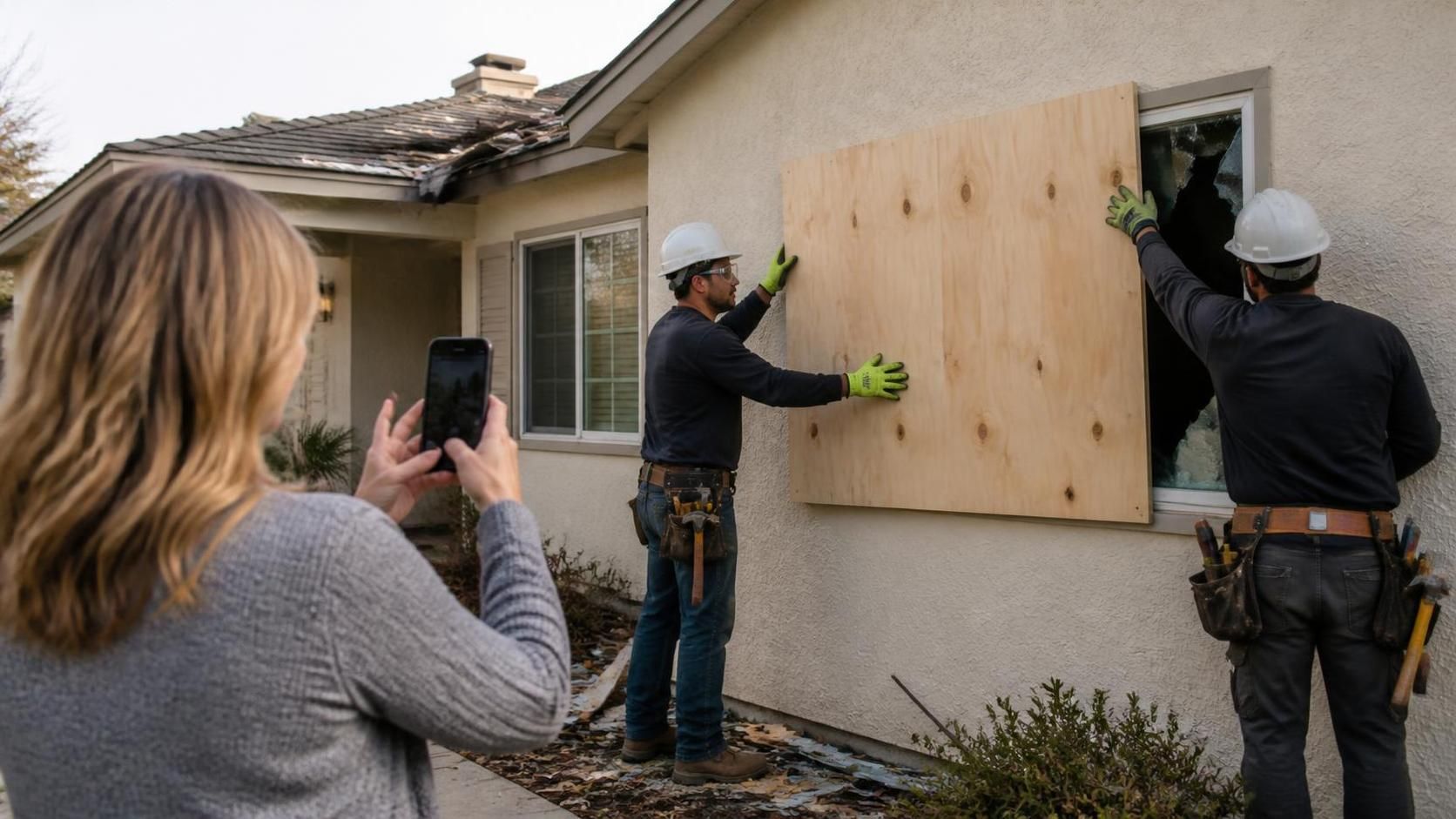
When disaster strikes your property —whether it is a sudden windstorm ripping tiles off your roof, a kitchen fire leaving blown-out windows, or an unexpected vehicle impact—your immediate priority is stopping further damage. Rain, dust storms, severe temperature swings, and vandalism can double or triple the initial restoration costs if your building sits exposed to the elements.
This brings up a critical question for property owners in , , and across the state: Does homeowners or commercial property insurance cover emergency board-up and temporary roof tarping?
The short answer is yes. insurance policies explicitly reimburse emergency mitigation measures, provided they stem from a covered loss. However, navigating the claims process to ensure full reimbursement requires understanding your policy obligations and avoiding common contractor traps.
Your Legal "Duty to Mitigate Loss" in
Almost every standard property insurance policy in contains a clause regarding your Duty to Mitigate. This legal clause mandates that once a property owner is aware of damage, they must take reasonable steps to protect the property from secondary damage.
For instance, if high winds shatter your living room window and rip away roof shingles, leaving the interior open to the weather, failing to secure the opening immediately could allow rain to flood your drywall and floors. If you wait days without acting, the insurer may argue that the resulting water or mold damage was caused by your neglect rather than the storm itself—and deny that portion of your claim.
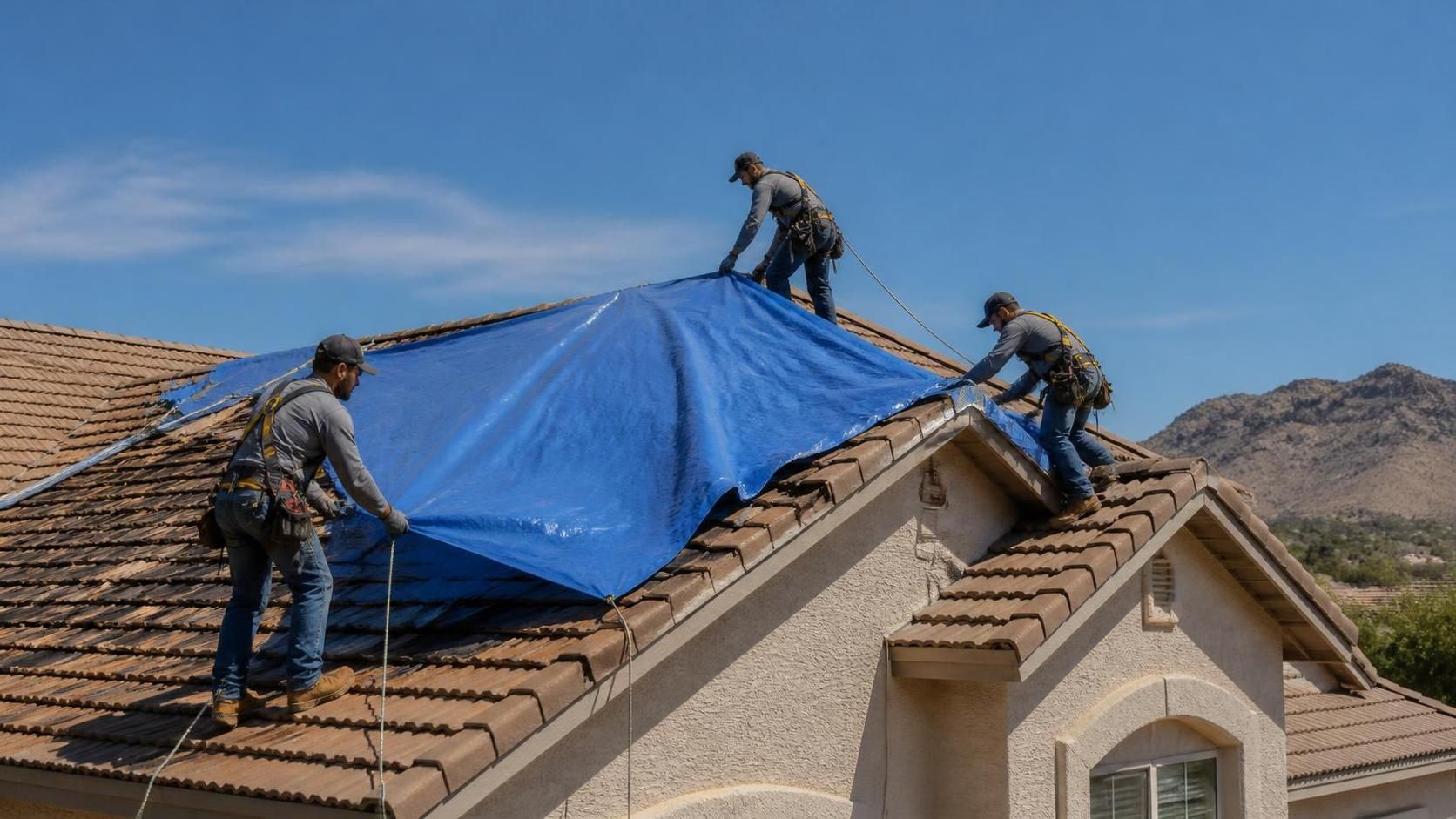
Because securing the property is a direct requirement of your contract, emergency mitigation expenses—such as professional window enclosures, structural shoring, security fencing, and heavy-duty shrink wrapping or tarping—are covered under primary mitigation clauses.
Beware of Assignment of Benefits (AOB) and Predatory Contractors
While securing your building fast is essential, emergency situations often attract predatory restoration contractors. In the chaos following a fire or storm, out-of-state "storm chasers" or aggressive remediation crews may show up unannounced and push you to sign an Assignment of Benefits (AOB) agreement before starting board-up work.
An AOB transfers your insurance claim rights directly to the contractor. Once signed, the contractor controls the claim, bills your insurer exorbitant rates for simple board-ups or tarp installs, and can even place a mechanic's lien on your home if the insurance company disputes the inflated bill. To protect yourself:
Never sign away your rights: Authorize work for specified emergency services only, without handing over complete control of your insurance policy payout.
Document everything: Take comprehensive photos and videos of all original damage before any boards or tarps go up.
Consult an independent advocate: Having local, licensed representation on-site ensures your mitigation work is accurately priced and properly documented for full reimbursement.
How a Public Adjuster Maximizes Your Emergency Claim
Insurance adjusters sent by your carrier work for the insurance company, not for you. They frequently audit mitigation bills, claiming tarping costs were "excessive" or that board-up work exceeded what was strictly necessary. When that happens, the insurance company may underpay the bill, leaving you stuck with the leftover balance.
A licensed Public Adjuster works exclusively on behalf of property owners. We evaluate your policy, oversee mitigation estimates, negotiate directly with the insurer, and ensure every dollar spent securing your home or business is fully covered and reimbursed.
Get Expert Representation for Your Insurance Claim
If your insurance company is delaying, underpaying, or denying your emergency tarping and board-up claims, you do not have to fight them alone. At Metro Public Adjustment, we ensure your mitigation expenses are fully recognized and battle the insurance company so you receive every cent you deserve.
Contact us today for a free claim review: Phone: (408) 479-2427 | Email: [email protected] | Web: MetroPA.com | Free Claim Double Check https://metropanevada.com/claim
#DutyToMitigate #EmergencyRoofTarp #PropertyMitigation #LasVegasRestoration #InsuranceRights #Property #PublicAdjuster
Frequently Asked Questions
Q1: Does insurance cover emergency board-up and roof tarping in ?
A: Yes. Most standard property and homeowners insurance policies in cover emergency board-up and temporary roof tarping under the primary mitigation clause, provided the underlying loss was caused by a covered event such as wind, fire, or vandalism.
Estimated Searches per Month: ~880
Q2: What is the "duty to mitigate loss" in an insurance policy?
A: The duty to mitigate is a standard policy clause requiring property owners to take prompt, reasonable action to prevent further or secondary damage—such as water intrusion or mold growth—after an initial covered disaster occurs.
Estimated Searches per Month: ~1,200
Q3: How quickly do I need to tarp my roof or board up windows after property damage?
A: Emergency tarping and board-up services should be arranged as quickly as possible. Delaying necessary temporary protection can lead to additional weather-related damage, which your insurer might refuse to cover on the grounds of neglect.
Estimated Searches per Month: ~590
Q4: Will I have to pay out-of-pocket for emergency roof tarping or board-up services?
A: In most instances, emergency mitigation costs are submitted directly to your insurance company as part of your overall claim. You may need to pay your deductible, or pay upfront and seek full reimbursement depending on your policy setup.
Estimated Searches per Month: ~720
Q5: What is an Assignment of Benefits (AOB) agreement, and should I sign one?
A: An AOB agreement transfers your insurance claim rights directly to a contractor. It is strongly advised not to sign an AOB, as it takes control of the claim away from you and can lead to legal disputes or mechanic's liens on your property.
Estimated Searches per Month: ~1,400
Q6: What should I do before an emergency contractor puts up boards or roof tarps?
A: Take detailed photos and videos of all existing damage to both the interior and exterior of your building before any mitigation work begins, ensuring clear documentation for your insurance claim.
Estimated Searches per Month: ~450
Q7: What happens if my insurance carrier denies my tarping or board-up reimbursement?
A: If an insurance company claims emergency mitigation expenses were excessive or unnecessary, a licensed Public Adjuster can review your claim, present detailed documentation, and negotiate with the carrier to secure reimbursement.
Estimated Searches per Month: ~380
Q8: How does a Public Adjuster help with emergency property restoration claims in ?
A: A Public Adjuster represents the policyholder, evaluating policy coverages, assessing emergency mitigation costs, and advocating directly with insurance adjusters to ensure full claim compensation.
Estimated Searches per Month: ~950
Q9: Are emergency mitigation expenses included in my total coverage limit or paid separately?
A: Most property insurance policies cover reasonable emergency mitigation expenses under additional coverage provisions or primary property loss limits, depending on policy structure and language.
Estimated Searches per Month: ~510
Q10: Can windstorm or fire damage board-up costs be denied if I use an out-of-state contractor?
A: While emergency work itself is generally reimbursable, insurers often dispute inflated rates billed by unlicensed out-of-state "storm chasers," leaving the property owner liable for unpaid balances.
Estimated Searches per Month: ~310
