Blog
1993
in business
47
States Representend
$60,000,000
Recovered in last 12 months
574%
Average Increase on Settlements
*OPPAGA

Your Rights as an Insurance Claimant in Nevada: Comprehensive Guide to Settlement Recovery
Know Your Rights as an Insurance Claimant in Nevada: Comprehensive Guide to Settlement Recovery
Synopsis: Discover your legal rights as a Nevada insurance claimant under NRS 684A & 686A. Learn how public adjusters maximize settlements, avoid carrier traps, and protect your home recovery.
Introduction: Taking Control of Your Nevada Property Insurance Claim
Experiencing property damage to your home or commercial facility—whether from a sudden flash flood, kitchen fire, severe monsoon windstorm, or plumbing pipe burst—is one of the most stressful events a property owner can face. After the initial chaos settles and emergency response crews complete mitigation efforts, you enter a secondary, often more grueling challenge: dealing with your insurance company.
For many Nevada policyholders, the assumption is that paying monthly premiums faithfully over years creates a true partnership where the insurer will naturally look out for their best financial interests. However, the foundational reality of the insurance industry is that insurance carriers are commercial enterprises driven by loss ratios and bottom-line profitability. Every dollar withheld on a claim payout directly preserves insurer revenue. Consequently, policyholders navigating first-party property losses frequently encounter delayed investigations, arbitrary line-item slashes, under-scoped restoration estimates, and aggressive pressure to accept lowball cash offers.
Fortunately, you do not have to accept whatever payout your insurance company offers. Nevada law provides extensive statutory protections designed to equalize power between massive insurance corporations and everyday property owners. Under the Nevada Revised Statutes (NRS), claimants possess explicit legal rights regarding independent representation, unbiased property scoping, prompt claim handling, and full contractual recovery.
This in-depth guide covers everything you need to know about your rights as an insurance claimant in Nevada. We will break down key legal codes, explain the critical difference between carrier adjusters and public adjusters, identify common insurer traps, and outline actionable steps to ensure you receive every dollar required to restore your property.
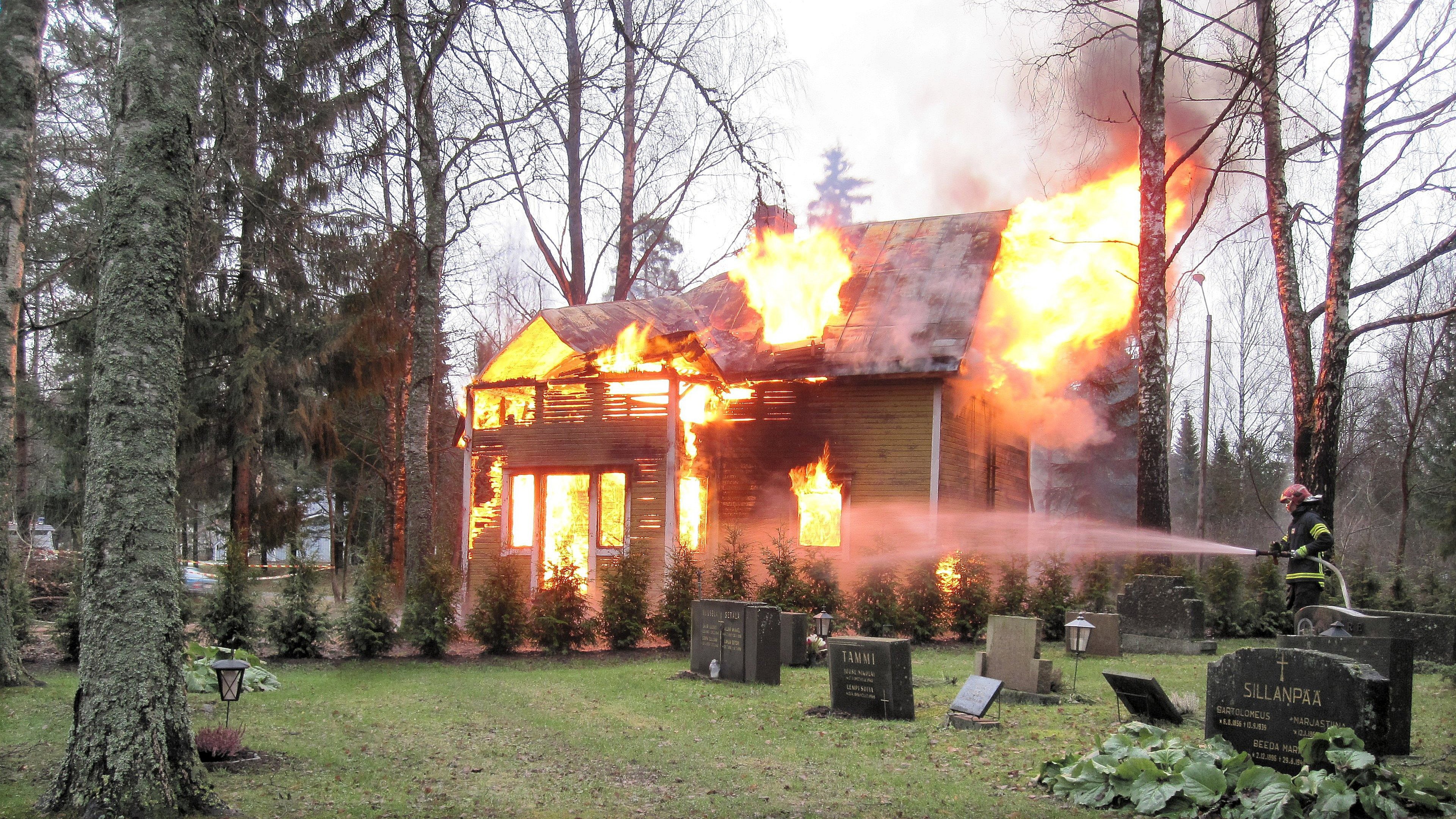
Visual Anchor: Understanding Property Loss & Assessment
Below are high-quality visual reference links from Pixabay to complement key sections of this guide:
1. Understanding Your Legal Rights Under Nevada Revised Statutes (NRS)
Nevada statutory framework establishes specific duties for insurance companies while granting policyholders actionable legal protections. Understanding these core provisions empowers you to spot violations early and demand compliance.
A. The Right to Independent Representation (NRS 684A)
Under Nevada Revised Statutes Chapter 684A, policyholders have the explicit right to hire an independent, state-licensed Public Adjuster. Public adjusters are licensed fiduciary experts who work exclusively on behalf of the insured—never the insurance company.
It is vital to distinguish between the types of adjusters involved in a claim:
Staff Adjusters: Salaried employees of the insurance company whose allegiance and fiduciary responsibility belong to the insurer.
Independent Adjusters: Third-party sub-contractors hired directly by the insurance company during high-volume periods. Despite the word "independent," their duty remains directly with the carrier paying their fee.
Public Adjusters: State-licensed professionals hired exclusively by you, the policyholder. Their sole role is to inspect the loss, evaluate policy language, compile detailed Xactimate estimates, and negotiate aggressively to secure your full financial recovery.
In Nevada, state regulations strictly prohibit adjusters from holding dual licenses simultaneously. An adjuster cannot represent the carrier and the policyholder on the same claim, eliminating potential conflicts of interest.
B. Unfair Claims Settlement Practices Act (NRS 686A.310)
Nevada law strictly regulates insurer conduct under NRS 686A.310, which identifies unfair claims practices. It is unlawful for an insurer operating in Nevada to engage in any of the following practices:
Misrepresentation: Failing to disclose pertinent facts or policy coverages relating to the claim.
Untimely Communication: Failing to acknowledge communications regarding claims with reasonable promptness.
Inadequate Investigation: Refusing to pay claims without conducting a reasonable, comprehensive investigation based upon all available information.
Delayed Coverage Decisions: Failing to affirm or deny coverage within a reasonable timeframe after proof of loss statements have been submitted.
Lowballing & Compelled Litigation: Failing to offer prompt, fair, and equitable settlements where liability has become reasonably clear, thereby compelling policyholders to institute litigation to recover amounts due.
Discouraging Legal Advice: Advising a claimant or insured not to seek legal counsel or representation.
When an insurer routinely breaches these standards, they risk bad faith liability, opening the door for additional damages beyond basic policy limits.

Property Restoration & Inspection: https://pixabay.com/photos/architect-building-construction-1080589/
2. Essential Policyholder Rights During Property Claims
When disaster strikes, knowing your specific practical rights simplifies the claims process and prevents unnecessary settlement losses.
Right to Choose Your Own Independent Contractor
Insurance companies frequently attempt to push claimants toward their "preferred contractor networks". Carriers argue that using preferred vendors streamlines approvals. However, preferred contractors often sign agreements with carriers requiring them to keep repair costs down.
As a Nevada policyholder, you have the absolute legal right to select any qualified, licensed, independent contractor or mitigation firm. You are not required to use carrier-suggested repair vendors. Additionally, in Nevada, construction contractors are legally prohibited from adjusting insurance claims on behalf of homeowners—ensuring a clear separation between construction work and claim advocacy.
Right to an Itemized Xactimate Estimate
Standard field estimates provided by staff adjusters often group major restoration expenses into bulk numbers, making it difficult to spot missing scope items. Policyholders are entitled to a line-item estimate based on Xactimate pricing—the software used across the industry.
This estimate must reflect real-time, local trade labor costs and material prices in Southern and Northern Nevada, rather than deflated national averages. Every wall panel, paint coat, debris removal haul, and drying unit must be clearly detailed.
Right to Thorough Forensics: Uncovering Hidden Structural & Water Damage
Disasters rarely cause only surface-level damage. Water intrusion from floods or firefighting efforts seeps behind drywall, beneath subflooring, and into structural framing, creating conditions for toxigenic mold within 24 to 48 hours. Similarly, fire and smoke leave acidic particulate residue inside HVAC ductwork and wall cavities.
Claimants have the right to demand diagnostic inspections—including thermal imaging, moisture mapping, and air quality sampling—to uncover secondary damage before closing a claim.
Right to Full Secondary Coverages & Building Code Upgrades
A standard property policy includes critical secondary benefits that adjusters sometimes fail to highlight:
Additional Living Expenses (ALE): Reimburses costs for temporary housing, restaurant meals, and extra commuting expenses if your home is rendered uninhabitable.
General Contractor Overhead & Profit (O&P): When a repair requires coordinating multiple specialized trades (e.g., drywallers, plumbers, electricians), policyholders are entitled to an additional 10% Overhead and 10% Profit allowance to pay for general contractor supervision.
Ordinance or Law Endorsement: Covers required expenses when local building codes mandate upgrading undamaged structural portions (e.g., modern electrical panels or fire sprinklers) during rebuilds.
3. Seven Common Carrier Traps and How to Avoid Them
Insurance adjusters use common administrative strategies to manage settlement amounts. Recognizing these traps helps you protect your settlement:
1. The "Final Settlement" Check Trap
Insurers often issue an initial partial payout check early in the process. Be sure to check the fine print. If the check memo line reads "Full and Final Settlement," endorsing it can inadvertently release the carrier from paying future supplemental claims when hidden damage is discovered. Always verify endorsement terms before depositing funds.
2. Arbitrary Equipment Caps on Structural Drying
During water loss claims, desk adjusters frequently assert that policy terms limit water extraction and de-humidification equipment to 3 days. In reality, structural drying time depends on physical moisture meter readings, not arbitrary desk rules. You have the right to maintain drying equipment as long as moisture logs prove necessary.
3. Stripping Overhead & Profit (O&P)
Staff adjusters regularly exclude the standard 20% O&P markup from repair estimates, arguing that repairs do not require general contractor oversight. If your project involves three or more trades, you are generally entitled to full O&P allowances under standard adjusting guidelines.
4. Rushed Recorded Statements
Carriers often request recorded statements shortly after a loss occurs. Adjusters may ask leading questions designed to elicit responses that can be used to argue pre-existing wear-and-tear or delayed reporting. Review your policy conditions and consult your representative before providing recorded statements.
5. Verbal Promises Without Written Xactimate Scopes
Relying on verbal assurances from desk adjusters can lead to miscommunications. Always require written, line-item Xactimate estimates for every item, material, and labor hour proposed by the insurer.
6. Pushing Low-Quality "Like Kind and Quality" Substitutes
If your policy provides Replacement Cost Value (RCV), you are entitled to materials of equivalent quality. Carriers cannot force you to accept lower-grade flooring, cabinetry, or roofing materials than what was damaged.
7. Premature Scope Releases
Do not sign waivers releasing the insurer from future obligations while restoration work is still underway. Additional damage frequently emerges during demolition, requiring supplemental claim filings.
4. Carrier Desk Adjuster vs. Licensed Public Adjuster
Comparing how carrier adjusters and public adjusters approach property claims highlights the value of independent representation:
Feature | Carrier Staff / Independent Adjuster | Licensed Public Adjuster |
|---|---|---|
Fiduciary Loyalty | Represents the Insurance Carrier | Represents the Policyholder Exclusively |
Primary Objective | Manage claim severity & limit carrier payout | Maximize lawful claim payout under policy terms |
Scoping Focus | Visual, surface damage using default price guidelines | Comprehensive forensics, moisture testing & line-item Xactimate |
Policy Review | Applies strict coverage exclusions | Identifies all available endorsements & secondary coverages |
Fee Structure | Paid by Insurance Carrier | Contingency fee (% of recovered amount; zero upfront cost) |
5. Resolving Disputes: The Nevada Policy Appraisal Clause
When you and your insurance company agree that a loss is covered but disagree significantly on the dollar value of the repairs, you are not forced to file a lawsuit right away. Most Nevada property insurance policies contain an Appraisal Clause—an alternative dispute resolution mechanism.
How the Appraisal Process Works
Demand Appraisal: Either party can submit a formal written demand for appraisal when a valuation dispute arises.
Select Appraisers: The policyholder and insurer each select an independent, competent appraiser.
Choose an Umpire: The two appraisers select a neutral third-party umpire. If they cannot agree on an umpire, a local Nevada district judge selects one.
Binding Award: The appraisers independently evaluate the loss. Agreement between any two of the three parties (appraisers or umpire) sets the binding financial valuation for the loss.
Appraisal provides a faster, cost-effective alternative to court litigation while avoiding carrier delays.

Financial Settlement & Legal Review: https://pixabay.com/photos/calculator-calculation-insurance-385506/
6. Actionable Step-by-Step Checklist for Nevada Claimants
If you experience property damage, follow these essential steps to protect your claim:
1. Document the Loss Immediately: Take photos and videos of all physical property damage, structural issues, and personal property before cleanup begins.
2. Fulfill Your Duty to Mitigate: Take reasonable measures to prevent further damage, such as arranging emergency tarping or water extraction. Keep all receipts.
3. Request Full Policy Documents: Obtain a complete copy of your insurance policy, including all endorsements and declaration pages.
4. Consult a Public Adjuster Before Signing Offers: Have an independent public adjuster review your claim and property damage prior to accepting initial checks or signing releases.
5. Maintain a Written Log: Record dates, names, phone calls, and email exchanges with your insurer. A detailed record is vital if bad faith issues arise.
Conclusion: Protect Your Investment and Recover What You Are Owed
Navigating a property insurance claim in Nevada does not have to be an uphill battle against a major insurance carrier. By understanding your rights under NRS 684A and NRS 686A.310, rejecting lowball settlement offers, and working with licensed public adjusters, you can balance the scales and secure the full recovery you deserve under your policy contract.
Don't settle for less than what is required to rebuild your home or business. Partner with dedicated experts, enforce your legal rights, and restore your property with confidence.

Those who use a public adjuster, recieve an a average of 574% more vs those who do not.” (OPPAGA)
When Is A Public Adjuster Needed?
When the client discovers damage
(to verify coverage).
When a current claim is under-paid or denied.
The sooner we get involved the better the settlement.
Why Choose Metro Public Adjustment NV?
Select from our tailored options to protect your property.

Step by Step Guidance
We communicate each step so you are empowered to make confident decisions.

Help with Claims
Once you receive your insurance companies initial offer, we take over the claim and handle all insurer communications directl

No Cost to See
Ask about our No-Cost Claim Double Check so you can evaluate all your options
We work with all insurance companies
We negotiate directly with your insurance so you don’t have to







Need help? Talk To Our Agents.
Let's get you back to before

LEGAL
Affiliated with:
Metro Public Adjustment Inc.
MPA Nevada is a licensed Public Adjuster License number: 4276621
NAICS 524291
Google Review
FOLLOW US


©Copyright 2026. Metro Public Adjuster NEVADA. All Rights Reserved.