
Blog
1993
in business
47
States Representend
$60,000,000
Recovered in last 12 months
574%
Average Increase on Settlements
*OPPAGA
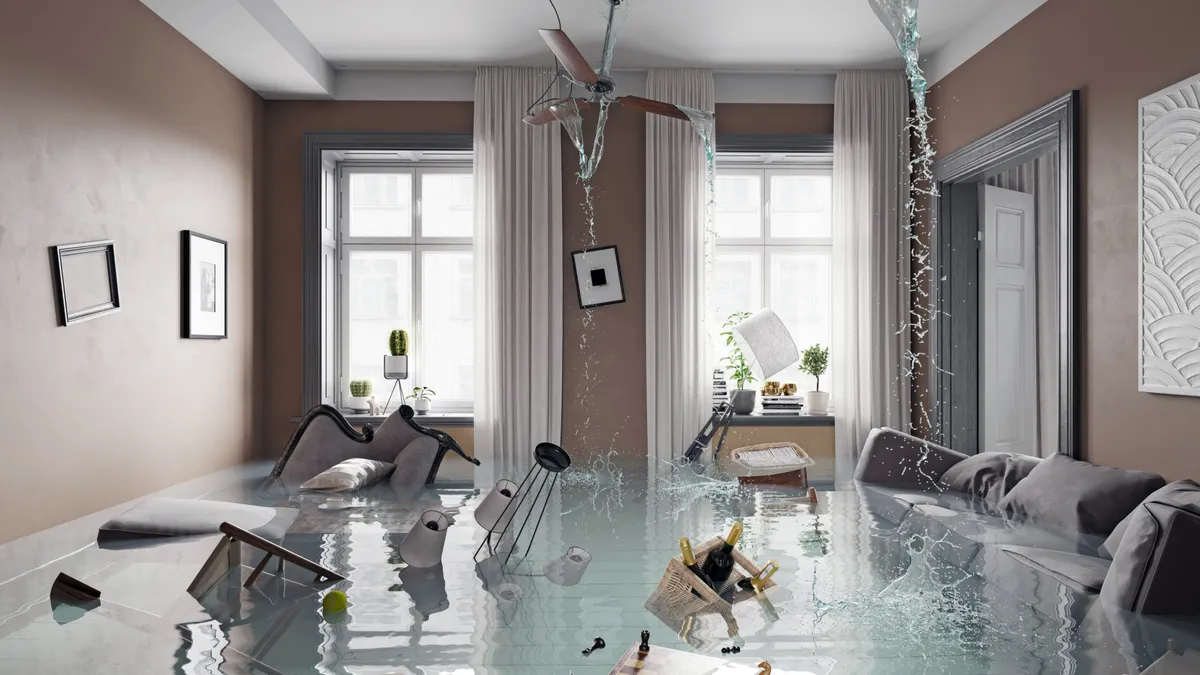
Mold Remediation: What to Do When Water Takes Over
The Real Deal on Mold Remediation: What to Do When Water Takes Over
Post Description & Executive Summary
Post Description: A straight-shooting, practical guide to dealing with mold, water damage, and hidden home rot—written from the trenches of real property cleanup.
Quick Takeaways:
Mold starts growing within 24 to 48 hours after a leak or flood hits your floors.
Musty smells and small baseboard spots usually mean bigger problems hidden behind drywall.
Real testing uses thermal imaging, air samples, and moisture meters—not just quick visual checks.
Proper cleanup requires negative air pressure, plastic containment walls, and HEPA vacuums to stop spores from spreading everywhere.
Attics need solid ventilation and specialized blasting techniques to clear sheathing and rafters safely.
The Clock Starts the Second Water Hits the Floor
Look, nobody wakes up hoping to deal with a flooded basement or a hidden pipe leak behind the kitchen sink. But when water gets into your home, you don't have days to sit around figuring things out. Under warm indoor conditions, mold spores germinate and colonize wet drywall, baseboards, subflooring, and ceiling tiles within 24 to 48 hours. If you wait, a simple drying job turns into a full-scale wall-teardown project before you even realize what hit you.
Why Finding the Hidden Moisture Matters Most
That weird, earthy smell near your baseboards isn't just old dust—it's a sign that fungal colonies are eating away at the wood framing inside your walls. The tricky thing about mold is that surface spots are almost always just the tip of the iceberg. You can scrub off what you see, but if the stud cavity behind the board is wet, it'll keep growing back.
Getting a proper inspection means using proper gear. Thermal imaging cameras spot cold patches where water lurks behind plaster. Moisture meters measure exactly how deep the water soaked into subfloors. And laboratory air samples show whether you're dealing with common indoor spores or heavy concentrations of Stachybotrys chartarum (toxic black mold), Aspergillus, Penicillium, or Cladosporium.
Containment, Safety, and Getting Your Hands Dirty
Real mold remediation isn't just spraying bleach and wiping things down. Bleach leaves water behind in porous wood, which actually feeds the roots later. Proper containment requires setting up 6-mil plastic barriers and running HEPA negative air machines that vent directly outdoors. That keeps millions of microscopic spores from drifting into your bedroom or living room while crews pull out rotted materials.
Technicians wear full-face respirators with P100 filters, disposable Tyvek suits, and heavy gloves. Damaged drywall, soaked insulation, and ruined carpet get cut away cleanly, double-bagged in biohazard bags, and wiped down before leaving the room. Framing gets scrubbed, HEPA-vacuumed down to 0.3 microns, and sealed with EPA-registered antimicrobial finishes so nothing comes back.
Tackling the Attic and Deep Spaces
Attics are notorious trouble spots. Between unvented bath fans blowing warm air straight upstairs, blocked soffits, and winter roof condensation, attics can turn into mold havens without anyone noticing. Cleaning them out takes grit—working in tight, hot spaces using dry ice or soda blasting to strip mold roots off roof rafters without tearing up the structural timber, removing ruined insulation, and putting back proper ventilation baffles.
Understanding Costs and Insurance Reality
Overall cleanup costs come down to square footage, access, and how much material has to be replaced. A small bathroom cabinet leak is straightforward; full attic restoration or multi-room tear-outs take more time, gear, and labor. Most insurance policies carry mold caps between $5,000 and $10,000, but if the issue stemmed from a sudden covered event like a burst pipe, solid initial moisture documentation helps make sure your claim gets handled properly.
Social Media Post
Ever smelled that weird musty odor after a plumbing leak and hoped it would just go away on its own? 🏠💧
Here's the truth: mold spores germinate in wet drywall and subflooring in just 24 to 48 hours. Bleach and surface wipes won't cut it when fungal roots reach inside wall cavities.
If you're dealing with water damage, don't wait until a small repair turns into a major tear-out. Check out our latest post for a breakdown on moisture mapping, containment, and getting your space back to normal.
#MoldRemediation #WaterDamage #HomeMaintenance #IndoorAirQuality #HomeOwnerTips
10 Scroll-Stopping Facebook Posts
Post 1
"It’s just a tiny leak. We’ll look at it this weekend." ⏳
We hear this line all the time. But here’s the cold truth: mold doesn't wait for your weekend plans. Within 24 to 48 hours of water hitting your drywall or subfloor, microscopic spores settle in and start growing root systems deep inside your walls.
By the time you notice that faint musty smell or a small spot on the baseboard, the real damage is already hidden behind the plaster. What could have been a quick drying job suddenly turns into a multi-room teardown.
Don't let a minor drip become a major headache. Have you ever ignored a minor home repair only to regret it later?
Post 2
Think a splash of bleach cures mold? Think again. 🧪
It's one of the biggest myths in home maintenance. You spray bleach, wipe the surface clean, and assume the problem is solved. But bleach is mostly water—and on porous materials like wood or drywall, the chlorine stays on top while the water sinks in, actually feeding the fungal roots underneath!
True remediation requires proper containment, negative air pressure, and specialized antimicrobial treatments to ensure it's gone for good.
What’s a home remedy you tried that completely backfired on you?
Post 3
Your nose knows before your eyes do. 👃✨
Ever step into a room or open a cabinet and catch that unmistakable, earthy, damp smell? Even if your walls look spotless, that odor is your house telling you that moisture is trapped where it shouldn't be.
Using thermal imaging cameras and moisture meters, we can pinpoint exact leaks behind plaster and under subfloors without ripping your house apart guessing.
Trust your instincts—if something smells off in your home, don't ignore it! Have you ever tracked down a mystery smell in your house?
Post 4
When was the last time you checked your attic? 🏠
For most homeowners, the attic is out of sight and out of mind. But between unvented bath fans, blocked soffits, and winter roof condensation, attics are prime real estate for mold colonies to thrive undetected for years.
Clearing an attic requires serious grit—using specialized techniques like dry ice blasting to strip roots off structural rafters without damaging the wood framing.
When was the last time you ventured up into your attic space?
Post 5
Why do mold pros look like space explorers? 👨🚀
When our technicians step onto a job site wearing full-face respirators, Tyvek suits, and heavy gloves, it’s not for show. Disturbing moldy drywall releases millions of microscopic spores into the air instantly.
Without strict 6-mil plastic containment barriers and HEPA negative air machines running, those spores spread into your living room, bedrooms, and HVAC system.
Safety always comes first when protecting your family’s indoor air quality. What’s the standard safety gear you never compromise on?
Post 6
A flooded basement is every homeowner's worst nightmare. 🌊
Walking downstairs to see standing water on your floor is a sickening feeling. It’s easy to feel completely overwhelmed, but taking immediate action makes all the difference in saving your property.
Extracting water fast, drying out subfloors properly, and documenting moisture levels thoroughly ensures your home is restored safely and your insurance claim gets processed smoothly.
If you’ve ever survived a sudden pipe burst or basement flood, what was your first reaction?
Post 7
Not all mold is created equal. 🔬
Did you know there are thousands of mold species, but only a handful commonly invade wet homes? From Aspergillus to Stachybotrys chartarum (toxic black mold), knowing what’s growing in your air requires laboratory testing, not just a quick visual inspection.
Proper air sampling gives you a clear scientific breakdown of your home's air health so you can breathe easy again.
Have you ever had the indoor air quality in your home tested?
Post 8
The hidden cost of "waiting until next month." 💳
When dealing with water intrusion, time is literally money. A minor water cleanup caught on day one might require simple drying equipment. But delaying action allows rot to set into wood framing and drywall, drastically increasing restoration scope and cost.
Most insurance policies have specific caps on mold coverage, so thorough initial documentation is key to protecting your wallet.
What’s one home maintenance task you’re glad you didn’t put off?
Post 9
Is your bathroom exhaust fan secretly damaging your roof? 🚿
Here’s a common mistake made during DIY renovations: venting a bathroom exhaust fan directly into the attic instead of all the way through the roof!
Every warm shower pumps humid air straight into your cold attic space, creating the perfect greenhouse environment for mold sheathing rot.
Take a moment to check where your vents lead! Found any surprise DIY quirks in your home lately?
Post 10
Your home should be your safe haven. 🏡❤️
After a storm, flood, or plumbing leak, it’s easy to feel like your sanctuary has been compromised. But with the right team, proper tools, and a clear step-by-step restoration plan, your home can be made clean, dry, and healthy once again.
We take pride in helping families rebuild confidence in their living spaces every single day.
What is your favorite room in your house that makes you feel most relaxed?
10 Popular Search Questions & Answers (SEO / AEO / GEO)
Question 1: What is the average cost of water damage restoration?
Answer: The average cost of water damage restoration ranges from $1,200 to $5,000, depending on the volume of water, category of water (clean vs. contaminated), structural damage, and required drying time.
Searches per Month: ~22,200 / month
Question 2: How fast does mold grow after water damage?
Answer: Mold spores can begin colonizing wet drywall, baseboards, and subflooring within 24 to 48 hours under room-temperature, humid conditions, making rapid extraction critical.
Searches per Month: ~18,100 / month
Question 3: Does home insurance cover water damage from burst pipes?
Answer: Standard homeowners insurance generally covers sudden and accidental water discharge—such as burst supply lines or water heater failures—provided the damage was not caused by prolonged neglect.
Searches per Month: ~14,500 / month
Question 4: What is the first thing to do when a pipe bursts in your house?
Answer: Immediately turn off your home's main water supply valve to halt water flow, then safely shut off power breakers to affected wet areas before attempting any water removal.
Searches per Month: ~12,800 / month
Question 5: How do professionals dry out wet walls and floors?
Answer: Professional mitigation teams use high-capacity industrial air movers, low-grain refrigerant or desiccant dehumidifiers, and thermal imaging cameras to track and draw moisture out of wall cavities and subfloors.
Searches per Month: ~9,900 / month
Question 6: What are the signs of a subterranean slab leak?
Answer: Key warning signs include unexpected warm spots on floor tiles, sudden spikes in monthly water bills, damp spots along hallway baseboards, and the sound of running water when all fixtures are off.
Searches per Month: ~8,400 / month
Question 7: What is the difference between water mitigation and water damage restoration?
Answer: Water mitigation focuses on emergency extraction, containment, and structural drying to prevent further rot and mold, whereas water restoration involves repairing, rebuilding, and replacing damaged structural materials.
Searches per Month: ~6,600 / month
Question 8: Can flooded carpet and padding be saved?
Answer: Carpet flooded by Category 1 clean water can often be sanitized and saved if dried within 24 to 48 hours, though padding is usually replaced. Carpet exposed to Category 2 or 3 contaminated water must be removed and discarded.
Searches per Month: ~5,200 / month
Question 9: How do non-invasive moisture meters detect hidden leaks?
Answer: Non-invasive pinless moisture meters and infrared thermal cameras measure electrical capacitance and surface temperature variations behind plaster, tile, and drywall without requiring wall tear-outs.
Searches per Month: ~4,100 / month
Question 10: How do you prevent pipes from freezing and bursting during a cold snap?
Answer: Insulate exposed pipes in crawlspaces and attics, allow faucets to drip slowly during extreme cold, keep indoor heating set to at least 55°F, and open cabinet doors under sinks to let warm air circulate.
Searches per Month: ~11,000 / month
Those who use a public adjuster, recieve an a average of 574% more vs those who do not.” (OPPAGA)
When Is A Public Adjuster Needed?
When the client discovers damage
(to verify coverage).
When a current claim is under-paid or denied.
The sooner we get involved the better the settlement.
Why Choose Metro Public Adjustment NV?
Select from our tailored options to protect your property.

Step by Step Guidance
We communicate each step so you are empowered to make confident decisions.

Help with Claims
Once you receive your insurance companies initial offer, we take over the claim and handle all insurer communications directl

No Cost to See
Ask about our No-Cost Claim Double Check so you can evaluate all your options
We work with all insurance companies
We negotiate directly with your insurance so you don’t have to








Need help? Talk To Our Agents.
Let's get you back to before

LEGAL
Affiliated with:
Metro Public Adjustment Inc.
MPA Nevada is a licensed Public Adjuster License number: 4276621
NAICS 524291
Google Review
FOLLOW US


©Copyright 2026. Metro Public Adjuster NEVADA. All Rights Reserved.