
Blog
1993
in business
47
States Representend
$60,000,000
Recovered in last 12 months
574%
Average Increase on Settlements
*OPPAGA
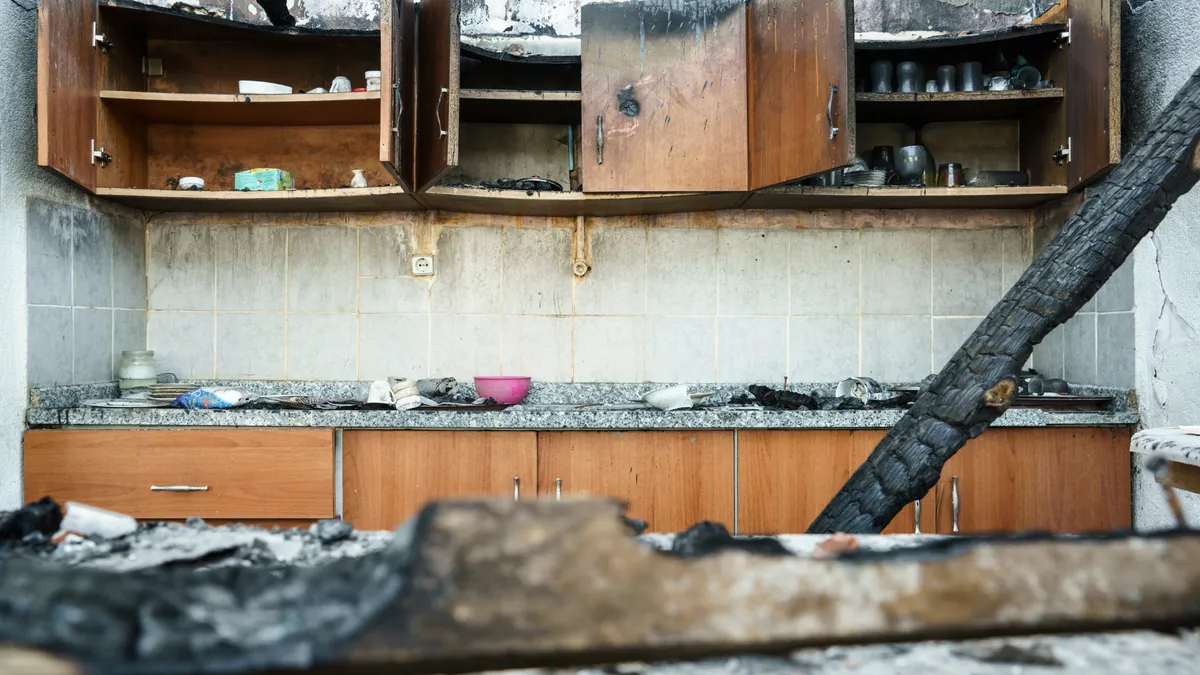
Emergency Water Extraction and Damage Restoration
What to Do When Your Home Floods: Guide to Emergency Water Extraction and Damage Restoration
Post Description: Standing in an inch of water at 2 AM? Take a deep breath. Here is a step-by-step, no-nonsense guide from someone who has been through structural flooding, covering emergency extraction, slab leaks, insurance claims, and avoiding mold.
Quick Takeaways (Bulleted Summary)
Shut off the Main Valve: Don't waste time looking for the specific pipe leak right away. Cut off the main water line and switch off breakers to wet rooms before stepping into standing water.
The 24 to 48-Hour Mold Clock: Mold spores start colonizing damp drywall, baseboards, and carpet padding in under two days. Extraction isn't just about drying; it's about stopping microbial growth.
Call a Local Water Mitigation Company First: Searching for a "water removal company near me" gets industrial high-capacity pumps and commercial dehumidifiers to your doorstep before structural timbers rot.
Document Everything Before Tear-Out: Take detailed videos and photos of every affected wall, cabinet, appliance, and personal item before technicians start pulling up flooring.
Understand Structural Drying vs. Surface Cleaning: Towels and household fans won't pull moisture out of wall studs, subflooring, or concrete foundations. Psychrometric logging and moisture meters are required.
Navigate Insurance Without Getting Burned: Know the difference between sudden pipe bursts and gradual leaks so you can talk to your adjuster with confidence.
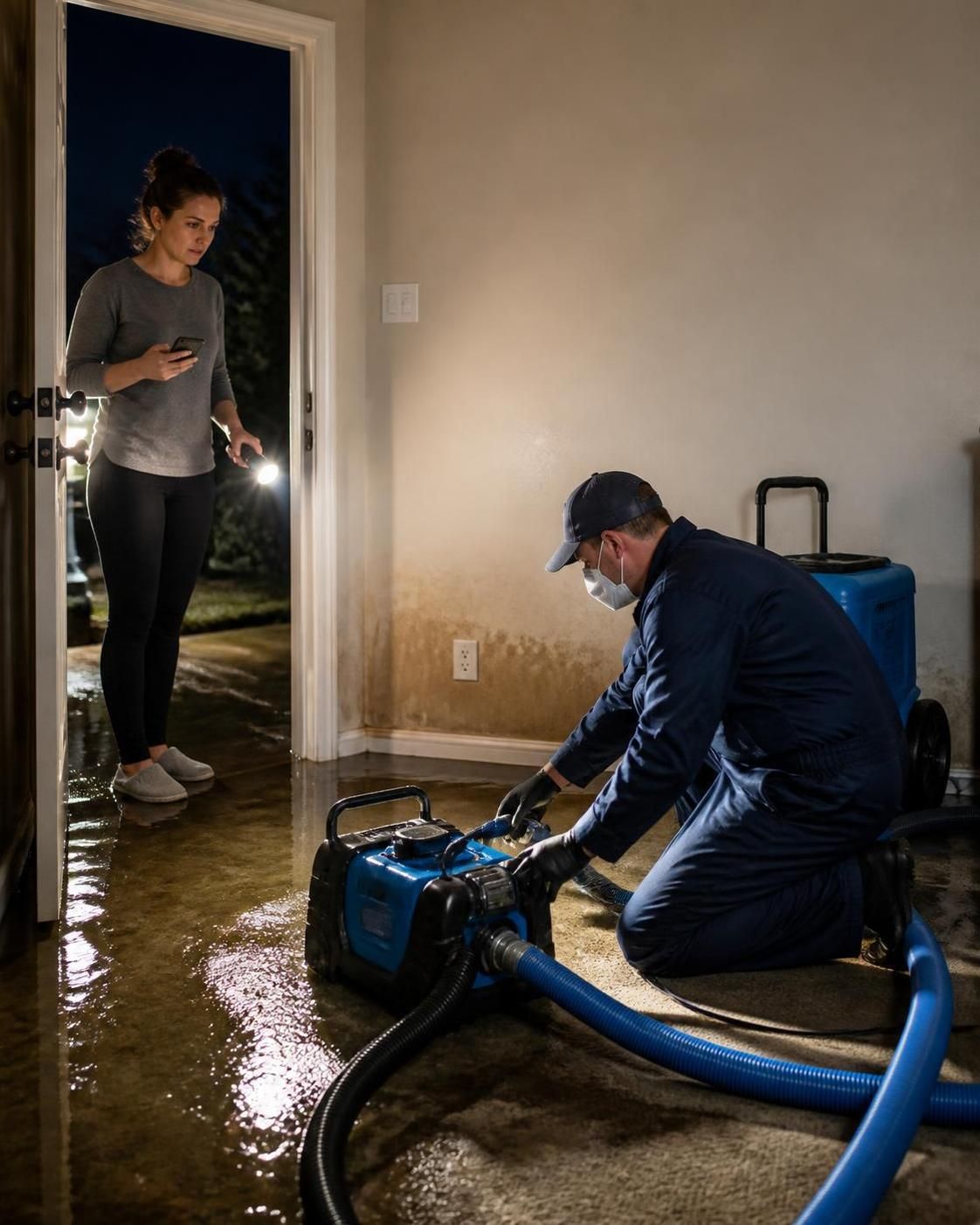
If you’re reading this right now, chances are you’re standing in your hallway at some ungodly hour, listening to the sickening, steady squelch of soaked carpet beneath your socks. Maybe a water heater decided to burst while you were asleep, or a hot water supply line under your kitchen sink finally snapped. Maybe a monsoonal storm dumped three inches of rain in forty minutes and brought your backyard right through the sliding glass door.
I know that exact knot in your stomach. It’s that instant wave of panic mixed with complete disorientation. You look at your furniture, your baseboards soaking up murky water like little sponges, and you just want to sink into a chair and cry. But right now, minutes count. Put down the mop, take a deep breath, and let’s talk through what you actually need to do right this second—no corporate jargon, no slick sales pitches, just the raw reality of getting your home back.
Step 1: Stop the Flow and Stay Safe
Before you start worrying about carpet padding or hardwood planks, let's make sure you don't get hurt. Water and electricity are a lethal combination. If water has reached power outlets, baseboard heaters, or your breaker panel, do not walk through it barefoot or in wet shoes.
Shut off the main shutoff valve: If a pipe burst, don't waste time hunting for the shutoff under a flooding sink. Go straight to the main water valve in your basement, garage, or utility box near the street and turn it off counterclockwise.
Kill the electricity to wet rooms: Go to your main electrical panel. If it's safe to access, switch off the breakers supplying power to any rooms with standing water.
Protect your valuables: Move wooden furniture off wet rugs. Wood stains can bleed into carpets permanently, and table legs will soak up water like straws, ruining the finish.
The 24-to-48-Hour Clock: Why Emergency Water Extraction Can’t Wait
Here is the tough truth nobody wants to hear when they're exhausted: you cannot let standing water sit while you "sleep on it" or wait for a busy insurance adjuster to call you back tomorrow afternoon. Mold spores exist naturally everywhere in the air. Give them dark, damp drywall and wood studs at room temperature, and they start germinating within 24 to 48 hours.
When you search for an emergency water extraction crew or a reputable water mitigation company near me, you aren't just paying someone to vacuum up water. You’re hiring people with truck-mounted vacuum units that pull gallons out in seconds, far beyond what any store-bought shop-vac can accomplish. Removing liquid water rapidly is the single biggest factor in determining whether your drywall can be saved or if it has to be gutted down to the framing.
Understanding the Enemy: From Burst Pipes to Slab Leaks
Not all water damage is created equal. Depending on where the water comes from, the remediation process changes drastically:
Burst Pipe & Appliance Failures: This is usually "clean water" (Category 1) initially—coming from a pressurized supply line or washing machine hose. It’s the easiest to dry, but if left unattended, it rapidly degrades into contaminated water.
Slab Leaks: These are insidious. Copper pipes buried under your concrete foundation corrode and pinhole. You might notice a warm spot on your tile floor, a sudden spike in your water bill, or wet carpet along an interior hallway wall. Slab leak water damage restoration requires specialized acoustic detection equipment and structural drying to pull deep moisture out of porous concrete slabs.
Flooded Basements & Heavy Storms: Ground runoff or backed-up storm drains bring category 2 or category 3 water (containing dirt, lawn chemicals, or sewage). If you're dealing with a flooded basement cleanup, everything that got soaked—porous carpet padding, cardboard storage boxes, dry-wall bases—usually has to be cut out and safely discarded.
What Real Structural Drying Actually Looks Like
A lot of homeowners think that once the visible puddles are gone, the job is done. But moisture hides inside wall cavities, beneath hardwood subflooring, and inside insulation. If a restoration crew just rolls in a couple of box fans, fire them instantly.
Professional structural drying services rely on science, not guesswork. Techs will use non-penetrating moisture meters to map out the exact footprint of wet materials behind walls. They will set up high-velocity air movers angled specifically to evaporate moisture off surfaces, paired with commercial refrigerant or desiccant dehumidifiers to extract that vapor out of the air. They will track dry-standard readings every day to make sure wood studs return to safe equilibrium levels before any reconstruction begins.
Navigating Insurance and Restoration Costs Without Losing Your Mind
Let's talk about money. One of the first questions everyone asks is, "What is the total water damage restoration cost going to be?"
Standard home insurance policies generally cover sudden and accidental water discharge—like a burst water heater or a broken dishwasher line. They rarely cover "gradual damage" caused by a slow, neglected leak that’s been trickling for eight months, nor do they cover overland flooding unless you have a dedicated flood insurance policy.
When working with a water removal company, ensure they use industry-standard software (like Xactimate) for line-item estimation. This ensures their billing directly aligns with what insurance adjusters expect, preventing you from getting stuck in the middle of a pricing dispute.
Social Media Post (Shareable Emergency Checklist)
🚨 WOKE UP TO A FLOODED HOME? DO THESE 5 THINGS RIGHT NOW 🚨
There’s nothing worse than waking up to standing water in your hallway or basement. Before you panic, save this checklist and follow these emergency steps:
1️⃣ Cut the Main Water Line: Don't spend time searching for individual sink valves. Shut off your home's main water line immediately.
2️⃣ Kill the Power: If water is touching electrical outlets or appliances, switch off breakers before stepping into the room.
3️⃣ Take Photos & Videos of Everything: Document wet drywall, soaked furniture, and standing water before anything gets moved or torn down for insurance claims.
4️⃣ Call Emergency Water Extraction Immediately: Mold begins growing within 24-48 hours. Household towels and shop-vacs won't pull water out of subfloors or wall studs.
5️⃣ Lift Furniture off Carpets: Foil or plastic blocks placed under couch legs stop wood stain from ruining carpets and prevent furniture legs from rotting.
Stay safe out there! Have you ever dealt with a sudden burst pipe or slab leak? Let us know in the comments below! 👇 #WaterDamage #EmergencyWaterExtraction #HomeEmergency #FloodRestoration #HomeownerTips
10 Scroll-Stopping Facebook Posts on Water Damage & Emergency Restoration
Read Full Article Here: https://sites.leadconnectorhq.com/preview/tI0u6c8ufHIXz8sYFmQ6/post-preview/emergency-water-extraction-and-damage-restoration
Call to stop the damage: https://sites.leadconnectorhq.com/preview/DXzDQ08lmF1H7bOriBLh?notrack=true
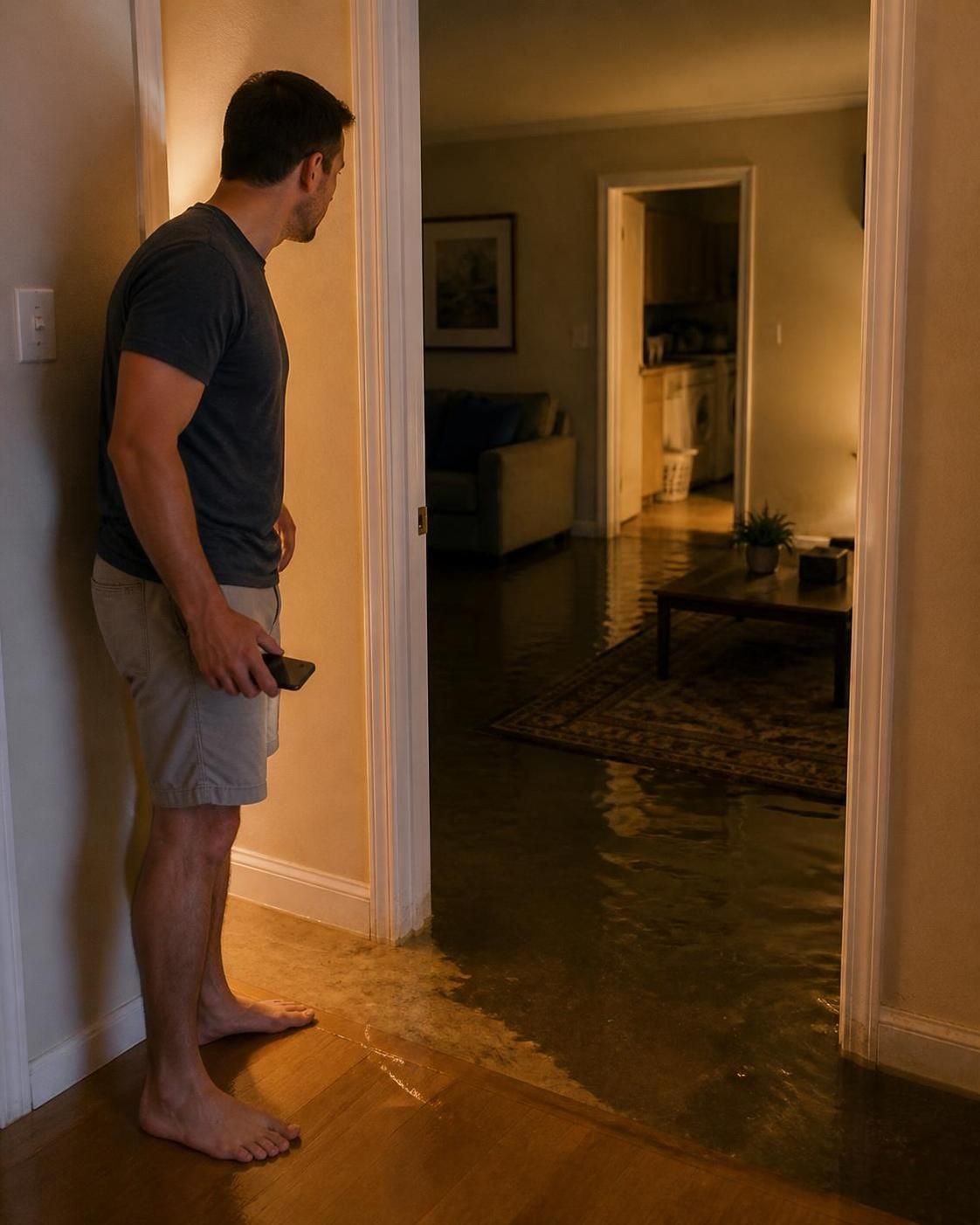
Post 1: The 2 AM Squelch
Hook: There is no sound on earth quite like stepping off your bed at 2 AM into two inches of ice-cold water.
Story: Your brain doesn’t process it at first. You think you’re dreaming. Then you turn on the hallway light, and there it is—your living room rug looking like a swamp, baseboards soaking up murky water like sponges, and your water heater humming in the utility closet like nothing happened. Panic sets in fast. You want to cry, but minutes count. The water line needs to be shut off now, and the electric panel cleared before you step anywhere. It’s dirty, exhausting, and overwhelming.
Ending: Have you ever experienced a middle-of-the-night home emergency that completely paralyzed you for a second? What did you do first? Drop a comment below 👇
https://assets.cdn.filesafe.space/TwS6TAozIs4L6WoalGR2/media/6af0d2eeaf2d4b8b2ffacca1.jpeg
Read Full Article Here: https://sites.leadconnectorhq.com/preview/tI0u6c8ufHIXz8sYFmQ6/post-preview/emergency-water-extraction-and-damage-restoration
Call to stop the damage: https://sites.leadconnectorhq.com/preview/DXzDQ08lmF1H7bOriBLh?notrack=true
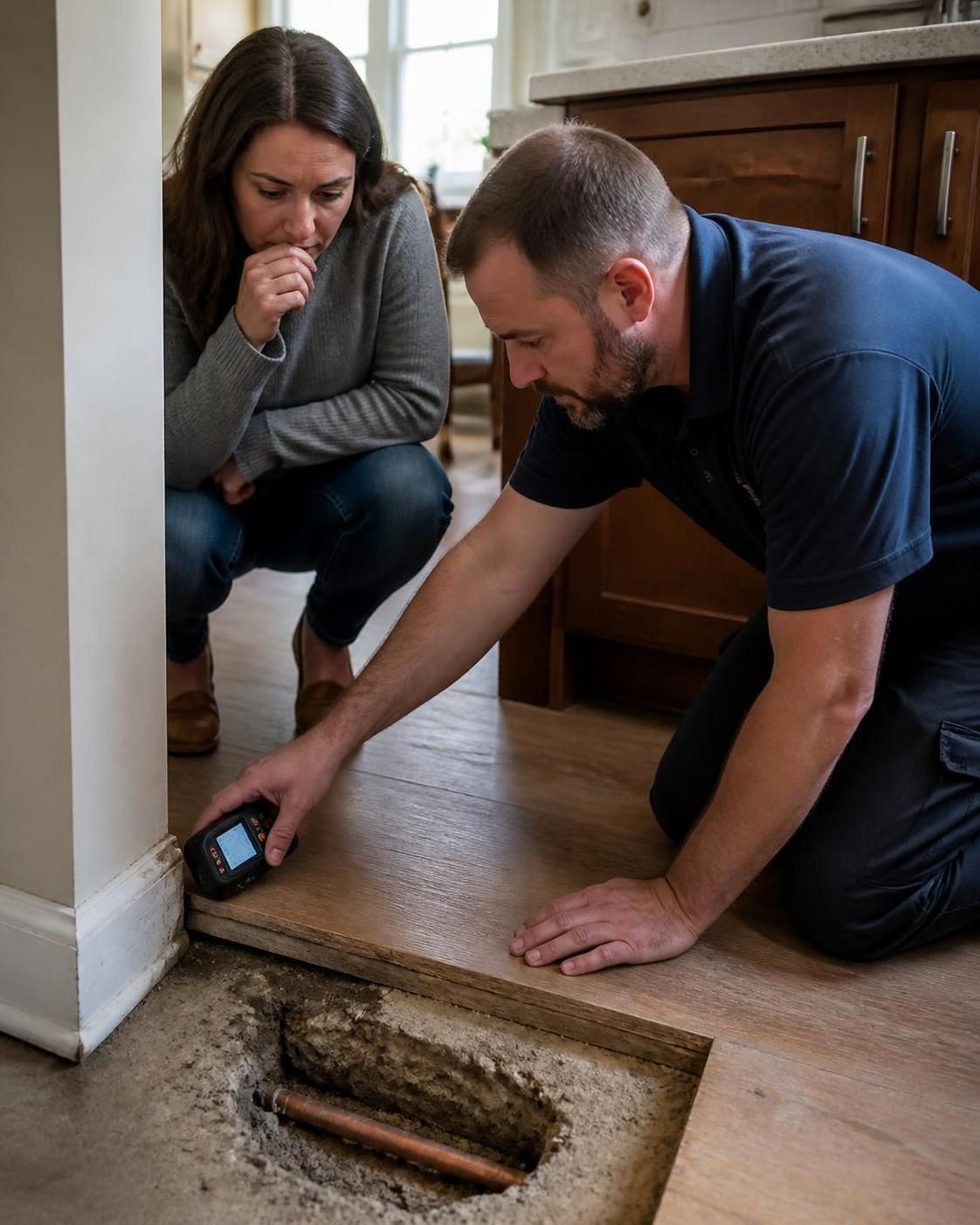
Post 2: The Hidden Destroyer Under Your Feet
Hook: A $5 copper pipe pinhole buried deep under your foundation can silently ruin your entire home.
Story: Slab leaks are insidious. You won't see a dramatic gush of water. Instead, you'll just notice a strange warm spot on your kitchen tile, or your socks feeling damp along the hallway baseboards. By the time you notice, water has been wicking up your wall studs and subflooring for days. Homeownership doesn't prepare you for the emotional drain of seeing your floorboards pulled up to uncover soaked concrete.
Ending: Have you ever dealt with a hidden leak that caused major damage before you even knew it was happening? Tell me your story in the comments! 👇
Read Full Article Here: https://sites.leadconnectorhq.com/preview/tI0u6c8ufHIXz8sYFmQ6/post-preview/emergency-water-extraction-and-damage-restoration
Call to stop the damage: https://sites.leadconnectorhq.com/preview/DXzDQ08lmF1H7bOriBLh?notrack=true
https://assets.cdn.filesafe.space/TwS6TAozIs4L6WoalGR2/media/6af0d43e4b6e00bd1b42bc96.jpeg
Post 3: The 24-Hour Clock Nobody Warns You About
Hook: You have exactly 24 to 48 hours before mold turns a messy leak into a structural nightmare.
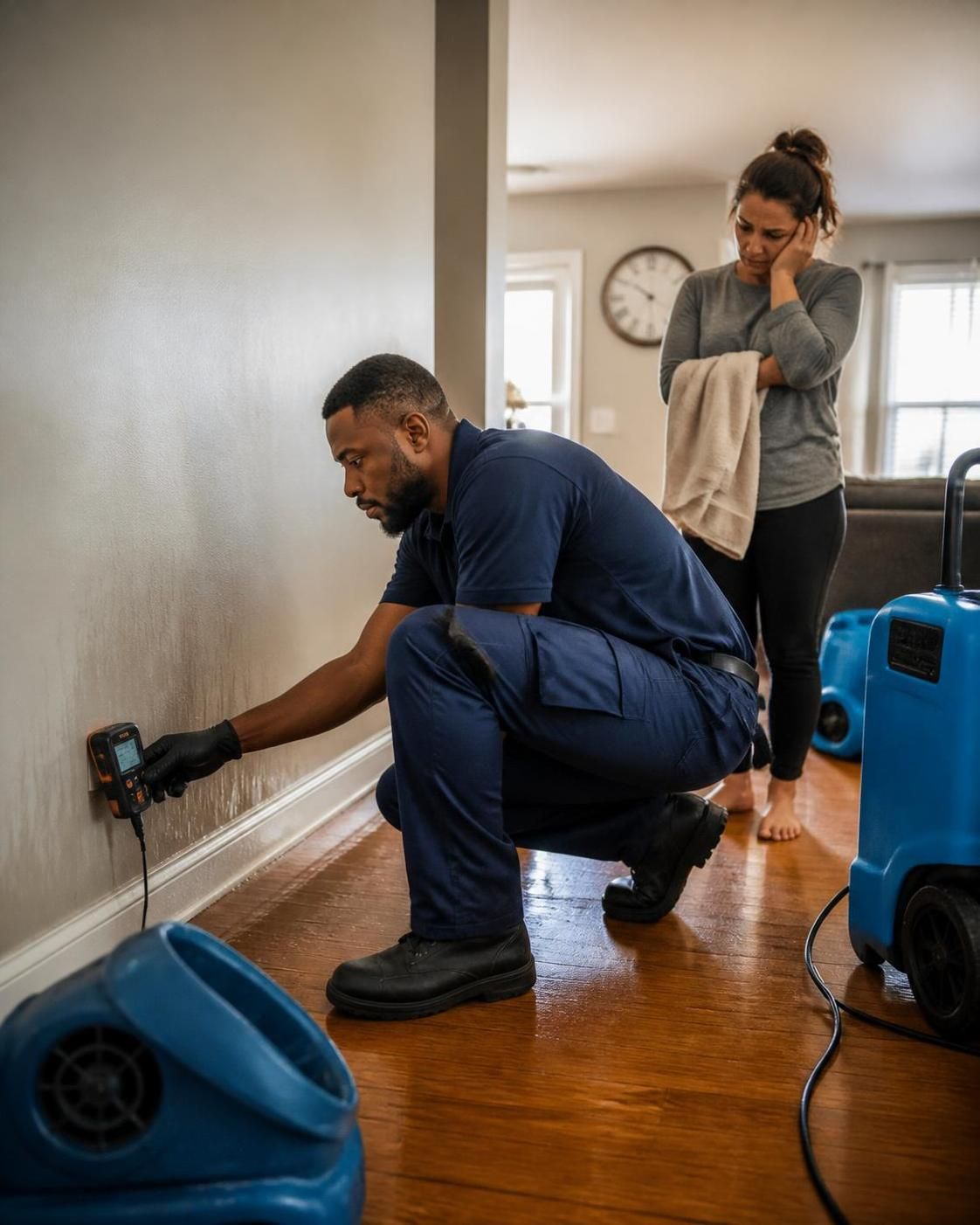
Story: After the main valve is off and the water stops flowing, exhaustion takes over. You just want to collapse on the couch and wait for insurance to call back tomorrow afternoon. But mold spores don't care about your sleep schedule. They thrive in dark, damp drywall cavities within two days. Throwing down a few bath towels and running a household desk fan will not save your wall studs. Real structural drying requires high-capacity commercial equipment before rot sets in.
Ending: What’s the biggest home repair lesson you had to learn the hard way? Let’s talk in the comments 👇
https://assets.cdn.filesafe.space/TwS6TAozIs4L6WoalGR2/media/6af0d4d4e9d59b97b079af00.jpeg
Read Full Article Here: https://sites.leadconnectorhq.com/preview/tI0u6c8ufHIXz8sYFmQ6/post-preview/emergency-water-extraction-and-damage-restoration
Call to stop the damage: https://sites.leadconnectorhq.com/preview/DXzDQ08lmF1H7bOriBLh?notrack=true
Post 4: Don't Touch That Mop Yet!
Hook: Standing in standing water in your socks? Stop moving right now.
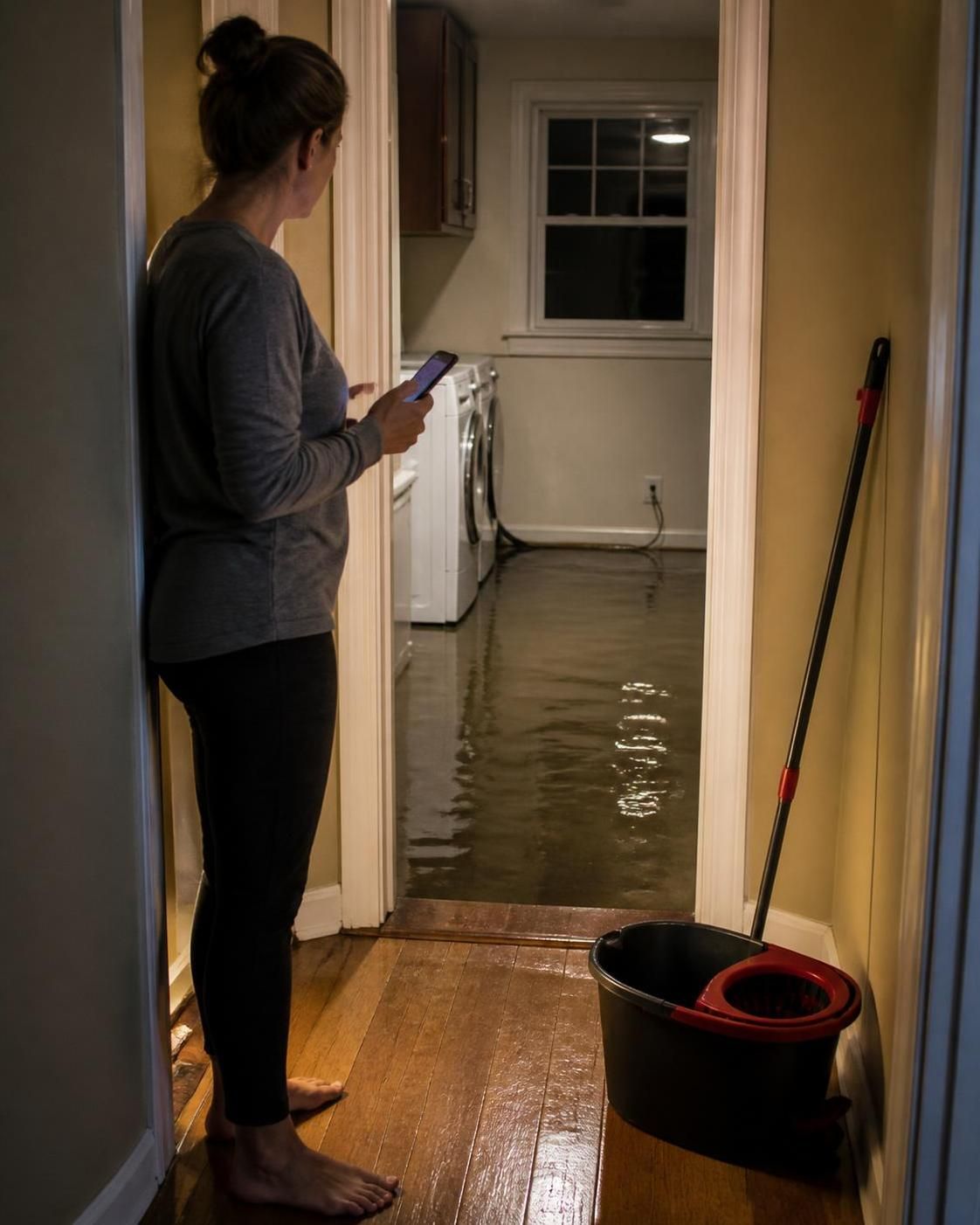
Story: When panic strikes during a flood, our instinct is to grab a mop or a bucket. But if water has reached baseboard heaters, floor outlets, or appliance cords, you are walking through a massive safety hazard. Your very first move isn't cleaning up—it's getting to your main electrical panel and cutting the breakers to wet rooms, then turning off the main water shutoff valve. Protect yourself first, your property second.
Ending: Do you actually know where your home's main water shutoff valve is located right this second? Be honest! 👇
https://assets.cdn.filesafe.space/TwS6TAozIs4L6WoalGR2/media/6af0d5f54b6e00bd1b42f0ba.jpeg
Post 5: The Photo You Forget to Take
Hook: Before you throw away a single soaked carpet or cardboard box, grab your phone.
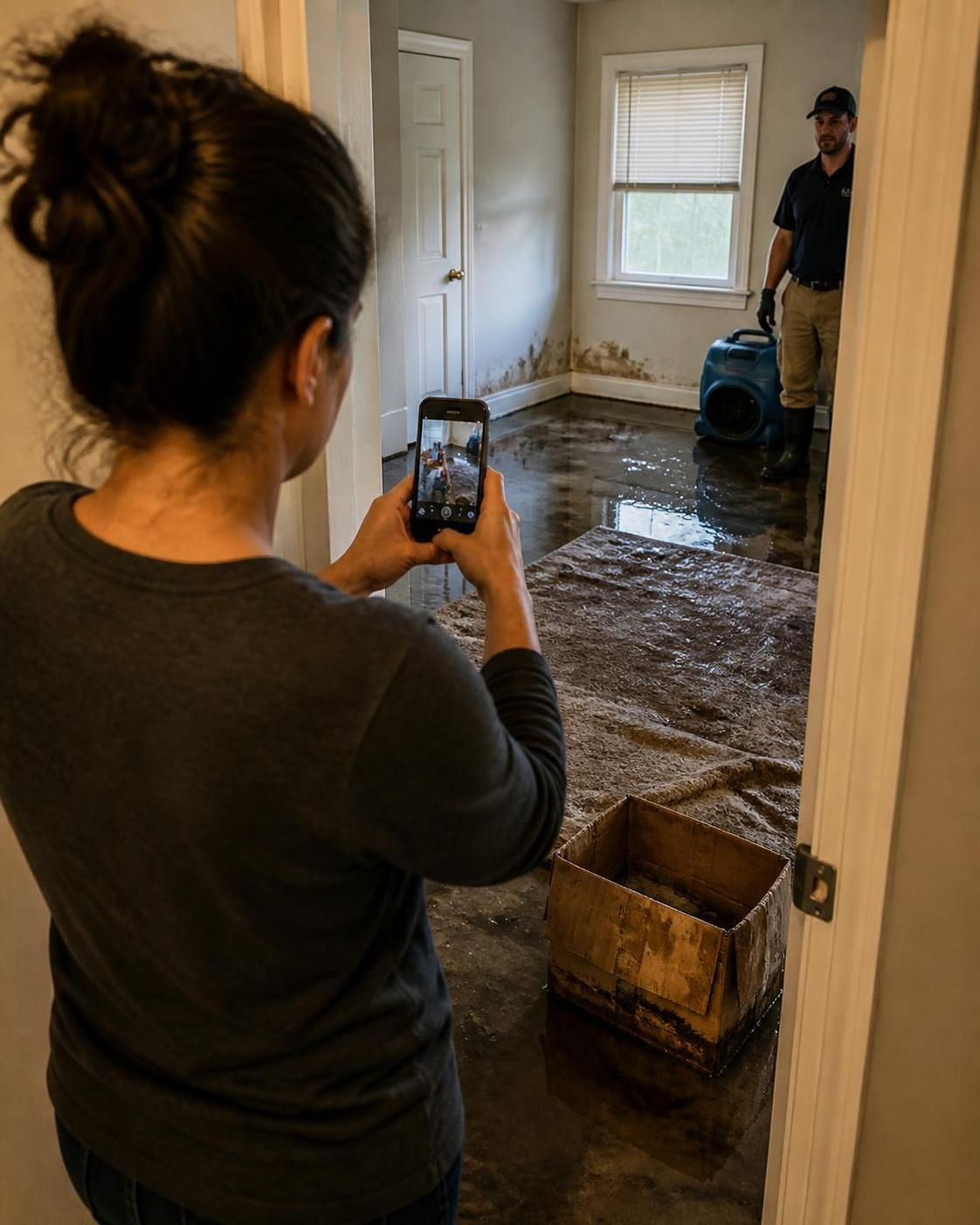
Story: When a flood hits, you just want to rip out wet flooring and chuck ruined furniture into the driveway. But your insurance adjuster won't take your word for what was lost. Before technicians start tear-out or structural drying, walk through every single affected room recording continuous video and taking close-up photos of baseboards, furniture legs, and damaged belongings. It could be the difference between a covered claim and thousands of dollars out of pocket.
Ending: Have you ever had to battle an insurance claim? What’s one tip you wish you knew beforehand? 👇
https://assets.cdn.filesafe.space/TwS6TAozIs4L6WoalGR2/media/6af0d6481ac4234dcdfcde9b.jpeg
Post 6: The True Cost of "I Can Dry It Myself"
Hook: "It looks dry" is the most expensive phrase in home maintenance.
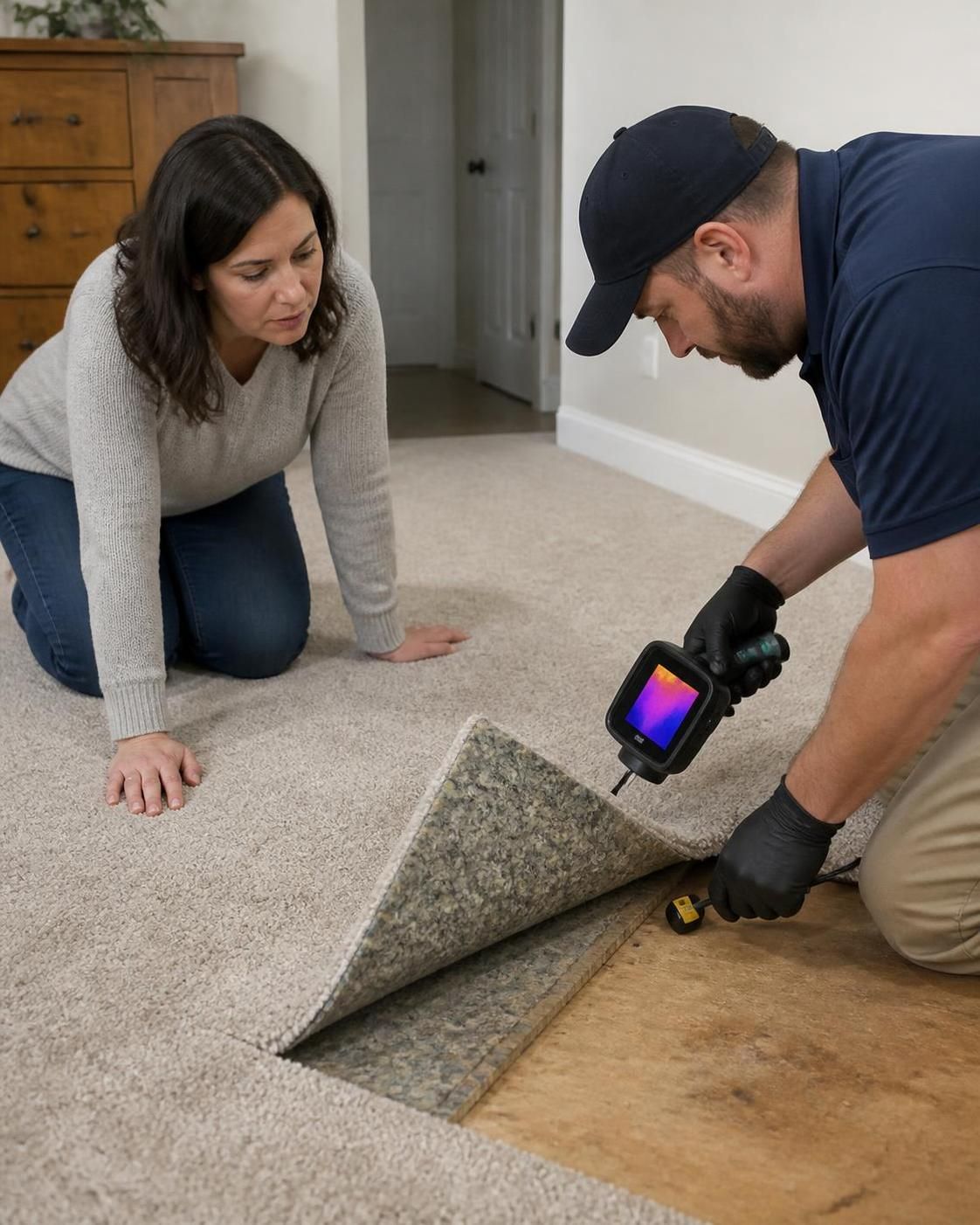
Story: Just because the carpet surface feels dry to the touch doesn't mean your subfloor or concrete foundation isn't holding gallons of moisture. Water travels horizontally under flooring and travels upward inside drywall. Months down the road, you notice a weird musty odor, warped baseboards, or black spots along the floor. Professional water extraction isn't just vacuuming up puddles—it’s moisture mapping and tracking psychrometric dry-standards.
Ending: Have you ever tried a DIY fix for a home issue only for it to backfire months later? Spill the tea below! 👇
https://assets.cdn.filesafe.space/TwS6TAozIs4L6WoalGR2/media/6af0d79ee9d59b97b079fa15.jpeg
Post 7: Burst Pipes and Broken Dreams
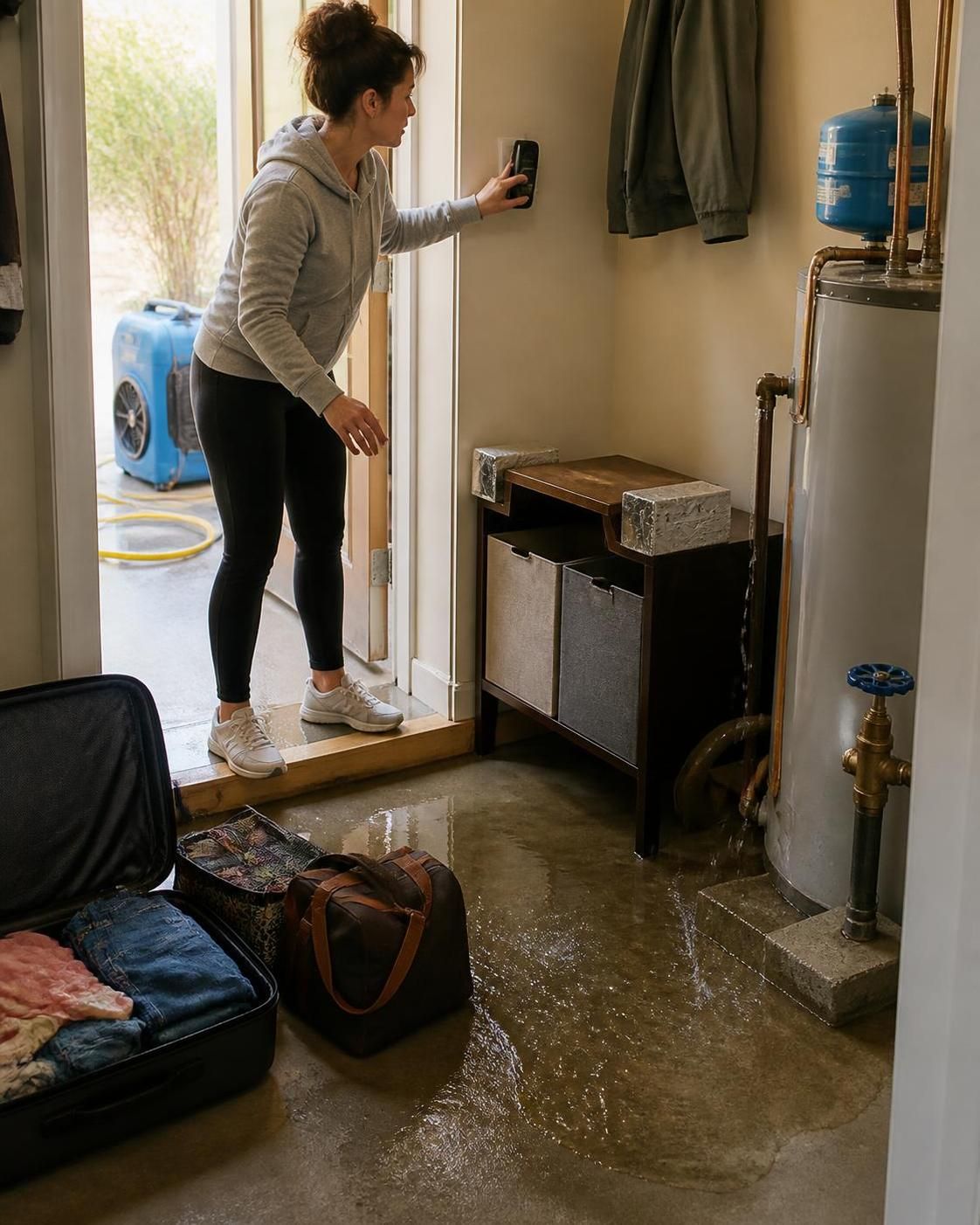
Hook: Your water heater doesn't care that you're supposed to leave for vacation in two hours.
Story: Disasters always seem to strike at the absolute worst possible moment. A supply line snaps right as you're packing the car, or a burst pipe floods the basement the night before hosting holiday dinner. The knot in your stomach is real, but taking immediate control—shutting the water off, protecting wooden furniture with foil blocks under the legs, and calling emergency mitigation—turns a complete catastrophe into a manageable recovery.
Ending: What’s the worst timing a home repair emergency has ever had in your life? Let’s commiserate in the comments! 👇
https://assets.cdn.filesafe.space/TwS6TAozIs4L6WoalGR2/media/6af0d7d7af2d4b8b2ffb581b.jpeg
Post 8: The Difference Between Clean Water and Danger
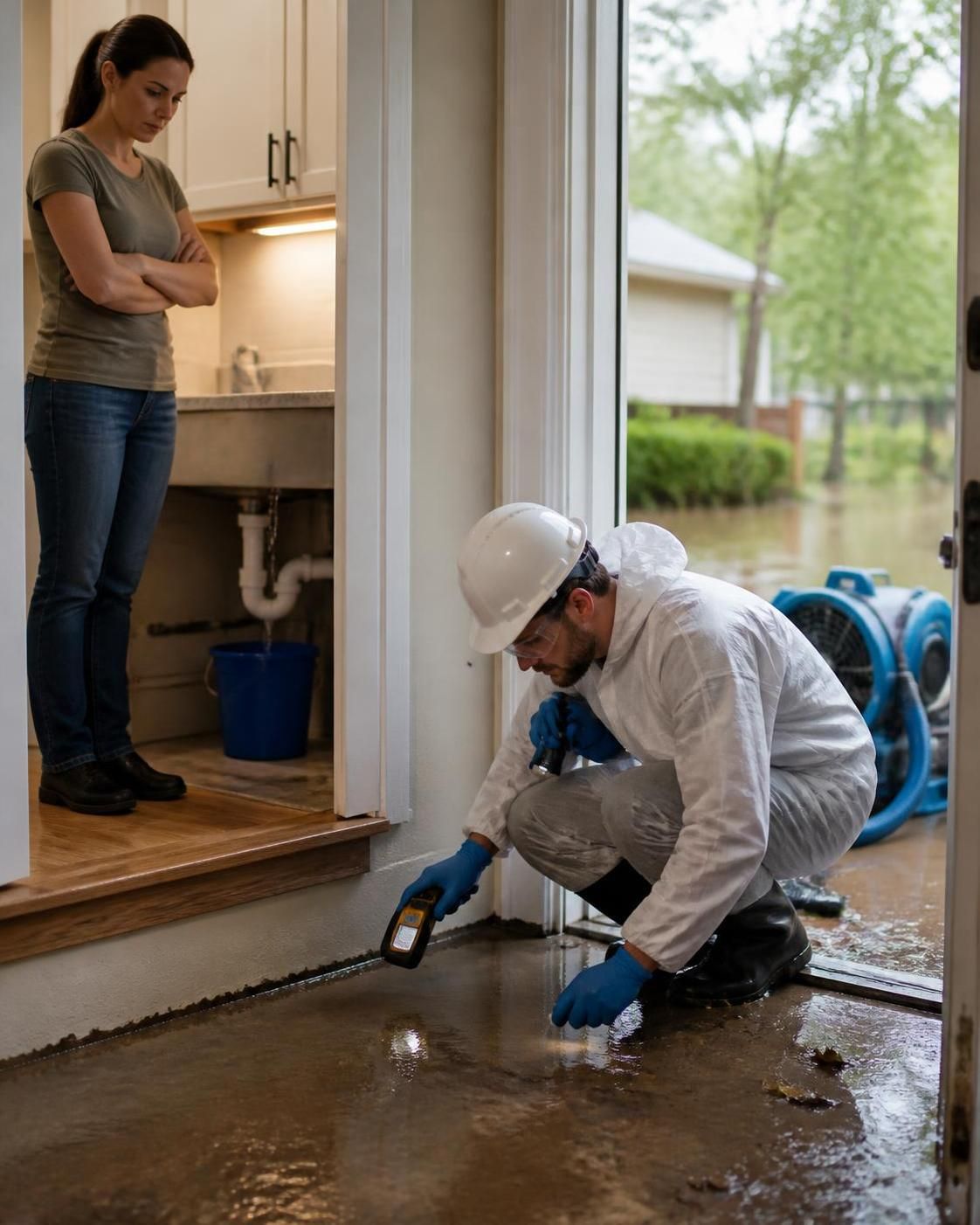
Hook: Not all flood water is equal, and treating it the same can put your health at risk.
Story: A clean supply line break under your bathroom sink is Category 1 water. But let it sit in carpet padding for 48 hours, or let storm runoff flow under your sliding glass door, and it quickly turns into Category 2 or 3 contaminated water carrying dirt, chemicals, or worse. Knowing when a floor can be dried versus when drywall and padding MUST be cut out and safely discarded is essential for keeping your home healthy.
Ending: Have you ever had to gut a room in your house due to water damage? How long did recovery take? 👇
https://assets.cdn.filesafe.space/TwS6TAozIs4L6WoalGR2/media/6af0d81a3f4edcbb0049b0af.jpeg
Post 9: Lifting Furniture Save Thousands
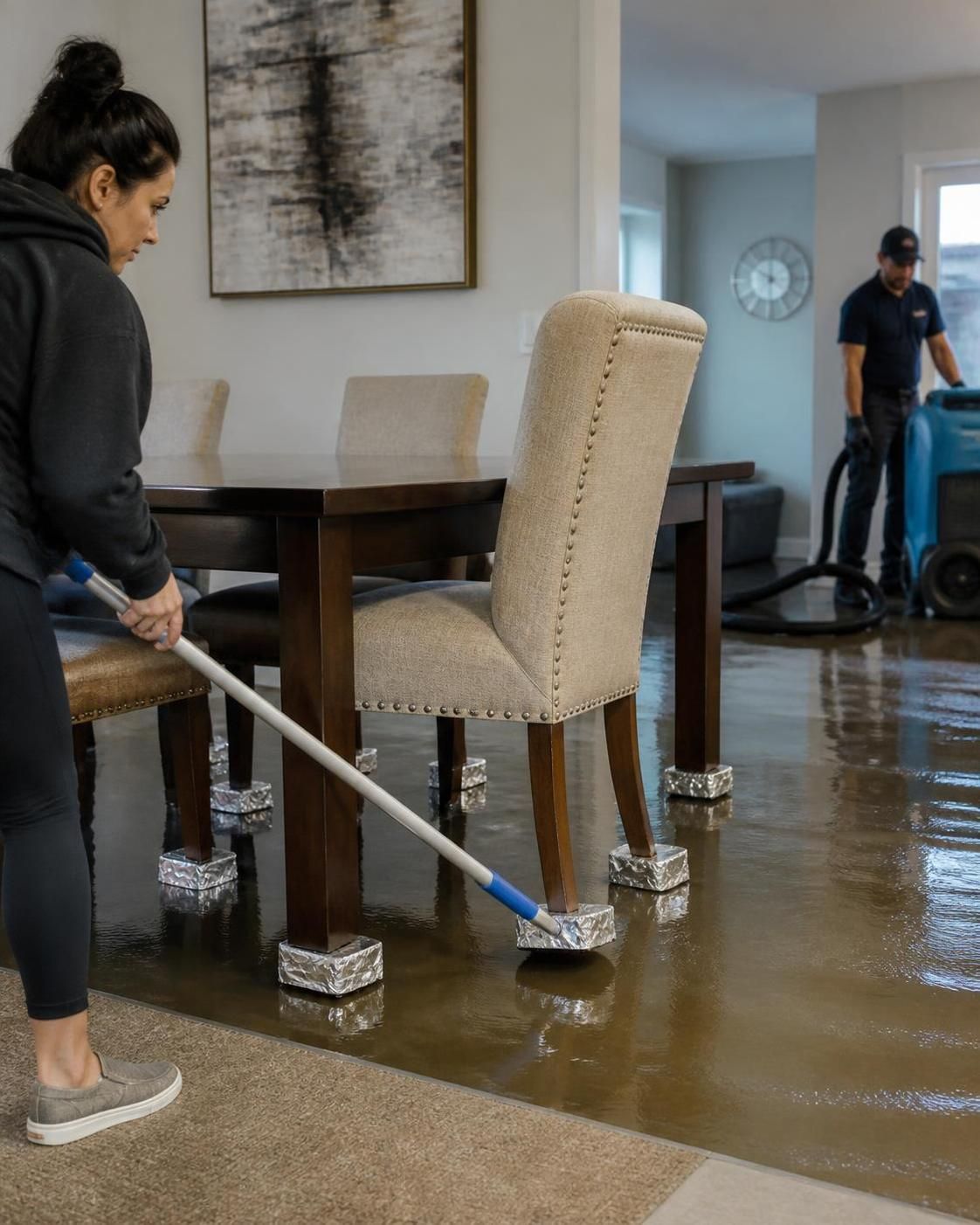
Hook: Want to save your heirloom wooden dining table during a flood? Grab a roll of aluminum foil.
Story: When water covers your floor, wooden furniture legs start acting like drinking straws, soaking up water and ruining finishes instantly. Even worse, wood stains can bleed into carpets permanently. Placing small blocks of wood or folded aluminum foil under couch and table legs lifts them out of standing water while you wait for emergency extraction crews to arrive. Small quick actions early save big dollars later.
Ending: What’s your favorite "weird but effective" home emergency hack? Share it below! 👇
https://assets.cdn.filesafe.space/TwS6TAozIs4L6WoalGR2/media/6af0d8704b6e00bd1b433203.jpeg
Post 10: You Will Get Through This
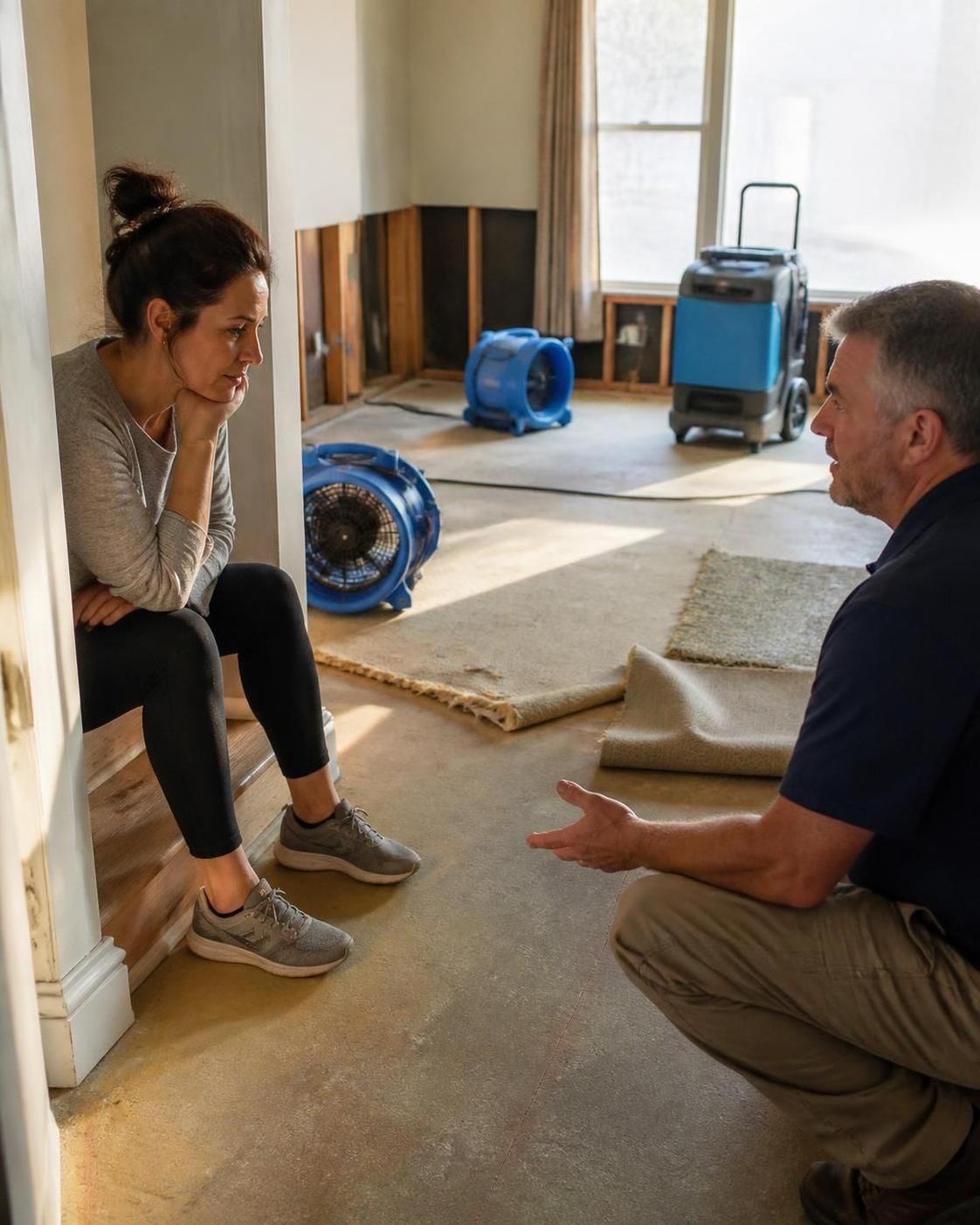
Hook: Looking at ruined floors and wet walls feels completely devastating, but your home will be whole again.
Story: Standing in the middle of water mitigation—with industrial air movers roaring, carpet pulled up, and walls opened up—is loud, dirty, and deeply stress-inducing. It feels like your life is on hold. But step by step, from extraction to structural drying to reconstruction, homes get restored every single day. Take a deep breath. Focus on the next immediate step, and lean on professionals who do this every day.
Ending: If you’re dealing with a home headache right now, drop a comment or heart. You’re not alone! ❤️👇
https://assets.cdn.filesafe.space/TwS6TAozIs4L6WoalGR2/media/6af0d8bc4b6e00bd1b433926.jpeg
10 Frequently Searched Questions Related to Water Damage Restoration
1. Question: How much does water damage restoration cost?
Answer: The average cost of water damage restoration ranges from $1,200 to $5,000, depending on the category of water (clean supply line vs. contaminated runoff), the extent of structural moisture, and whether drywall or subflooring requires replacement.
Searches per Month: ~22,200 / month
2. Question: How long does it take for mold to grow after a water leak?
Answer: Mold spores can begin colonizing damp drywall, baseboards, and carpet padding within 24 to 48 hours in humid, room-temperature conditions, making rapid extraction critical.
Searches per Month: ~18,100 / month
3. Question: Does homeowners insurance cover water damage from a burst pipe?
Answer: Standard homeowners insurance policies generally cover sudden and accidental water discharge—such as burst supply lines or water heater failures—but typically exclude gradual, unaddressed leaks or overland storm flooding.
Searches per Month: ~14,500 / month
4. Question: What is the first thing to do when your home floods?
Answer: Immediately turn off your home's main water shutoff valve to stop the source of flooding, and switch off electrical breakers to wet rooms before stepping into standing water.
Searches per Month: ~12,800 / month
5. Question: How do professional water restoration companies dry out walls?
Answer: Mitigation professionals set up high-velocity air movers directed at structural surfaces, combined with industrial refrigerant or desiccant dehumidifiers to pull moisture out of wall cavities and wood studs.
Searches per Month: ~9,900 / month
6. Question: What are the signs of a subterranean slab leak?
Answer: Common indicators include unexplained warm spots on floor tiles, sudden spikes in your water bill, damp carpet or baseboards along hallway walls, and the sound of running water when faucets are off.
Searches per Month: ~8,400 / month
7. Question: What is the difference between water mitigation and water restoration?
Answer: Water mitigation involves emergency extraction, drying, and stopping secondary structural decay, whereas restoration focuses on rebuilding, repairing drywall, laying new flooring, and restoring damaged finishes.
Searches per Month: ~6,600 / month
8. Question: Can wet carpet be saved after a flood?
Answer: Carpet can often be saved if flooded by Category 1 clean water and dried thoroughly within 24 to 48 hours (though padding is usually replaced). If exposed to Category 2 or 3 contaminated water, it must be discarded.
Searches per Month: ~5,200 / month
9. Question: How do professionals detect hidden water damage behind walls?
Answer: Restoration technicians use non-invasive pinless moisture meters, acoustic sensors, and infrared thermal imaging cameras to map hidden moisture footprints without tearing down walls needlessly.
Searches per Month: ~4,100 / month
10. Question: How do I prevent pipes from bursting in extreme freezing weather?
Answer: Insulate exposed pipes in unheated spaces (basements, attics, crawlspaces), allow faucets to drip slightly during severe cold snaps, keep indoor heat at 55°F or higher, and disconnect garden hoses.
Searches per Month: ~11,000 / month
Those who use a public adjuster, recieve an a average of 574% more vs those who do not.” (OPPAGA)
When Is A Public Adjuster Needed?
When the client discovers damage
(to verify coverage).
When a current claim is under-paid or denied.
The sooner we get involved the better the settlement.
Why Choose Metro Public Adjustment NV?
Select from our tailored options to protect your property.

Step by Step Guidance
We communicate each step so you are empowered to make confident decisions.

Help with Claims
Once you receive your insurance companies initial offer, we take over the claim and handle all insurer communications directl

No Cost to See
Ask about our No-Cost Claim Double Check so you can evaluate all your options
We work with all insurance companies
We negotiate directly with your insurance so you don’t have to








Need help? Talk To Our Agents.
Let's get you back to before

LEGAL
Affiliated with:
Metro Public Adjustment Inc.
MPA Nevada is a licensed Public Adjuster License number: 4276621
NAICS 524291
Google Review
FOLLOW US


©Copyright 2026. Metro Public Adjuster NEVADA. All Rights Reserved.